Quick Guide
- What Actually Happens When a Dog Gets Stung?
- Benadryl (Diphenhydramine) for Dogs: How It Works and When It Can Help
- The Step-by-Step Action Plan: What to Do From the Moment of the Sting
- When Benadryl Is NOT the Answer: Risks, Contraindications, and Limits
- What Else Can You Do? Vet-Approved Home Care and Alternatives
- Prevention: The Best Medicine
- The Final Word: Putting It All Together
You're in the backyard, your dog is sniffing around the flowers, and then you hear that yelp. You rush over and see it—a bee sting, probably on the paw or the curious nose. Your pup is pawing at their face, whining. Your mind races. You've heard people talk about using Benadryl. But is it safe? What's the right dose? Is it even the right thing to do?
Let's cut through the noise. The short answer is: maybe, but it's not a one-size-fits-all solution and it's never a substitute for veterinary care in an emergency. The question "Should I give my dog Benadryl for a bee sting?" is more complex than a simple yes or no. It depends on your dog's size, their health history, the severity of the reaction, and whether your vet has previously approved its use for your specific pet.
I remember when my own Labrador, Murphy, got stung. He was a big guy, but he puffed up around his muzzle like a cartoon character. I panicked. I called my vet first, and that's the most crucial step I can stress. This guide pulls together advice from veterinary sources, toxicology centers, and hard-earned experience to help you navigate this stressful moment.
What Actually Happens When a Dog Gets Stung?
First, understanding the enemy helps. A bee sting injects a cocktail of proteins and peptides (melittin, apamin, phospholipase A2) that cause localized pain, redness, and swelling. It's an inflammatory and histamine-mediated reaction. For most dogs, it's just a painful, annoying local event. The site might be tender for a day or two.
But here's the kicker—some dogs, like some people, can have severe allergic reactions. This isn't about the size of the dog. A tiny Chihuahua might be fine, while a massive Great Dane could go into anaphylactic shock. It's about individual immune system sensitivity.
- Difficulty breathing, wheezing, or excessive panting
- Rapid swelling of the face, throat, or around the eyes
- Excessive drooling or vomiting
- Sudden weakness, collapse, or pale gums
- Hives or widespread itching all over the body
If you see ANY of these signs, do not administer Benadryl and wait. Get to an emergency vet immediately. Time is critical.
So, before you even think about reaching for the medicine cabinet, you need to do a quick assessment. Is this a mild local reaction, or is it escalating into something dangerous?
Benadryl (Diphenhydramine) for Dogs: How It Works and When It Can Help
Benadryl's active ingredient is diphenhydramine, an antihistamine. It works by blocking histamine receptors (H-1 receptors, to be precise), which are part of the body's allergic response system. For a mild to moderate reaction to a bee sting, it can help reduce itching, swelling, and general discomfort.
The American Kennel Club cites veterinary consensus that diphenhydramine is generally safe for dogs when used correctly. The key phrase is "when used correctly." It's not a benign sugar pill.
It's primarily useful for managing the symptoms of a mild reaction, not for treating a severe systemic one. Think of it as a tool to provide comfort after you've confirmed it's not an emergency, not as a magic bullet that fixes everything.
The Crucial Dosage: Getting It Right Is Everything
This is where most people get nervous, and for good reason. The standard veterinary-recommended dosage for diphenhydramine in dogs is 1 milligram of medication per pound of body weight, given 2-3 times a day.
Most over-the-counter Benadryl tablets are 25 mg. So, the math is simple but critical. A 25-pound dog would get one 25 mg tablet. A 50-pound dog would get two. A 10-pound dog would get a fraction of a tablet. For very small dogs or precise dosing, your vet may recommend children's liquid Benadryl (again, dye-free, alcohol-free, and containing only diphenhydramine), but you must calculate the dose based on the concentration (typically 12.5 mg/5 ml).
Here’s a quick reference table to visualize it. Please, use this as a starting point for discussion with your vet, not as an absolute prescription.
| Dog Weight | Benadryl Dose (25 mg tablet) | Approximate Frequency | Notes |
|---|---|---|---|
| 10 lbs | 10 mg (about 1/2 of a children's 12.5 mg chewable or liquid) | Every 8-12 hours | Extreme precision needed. Liquid may be easier. |
| 25 lbs | 25 mg (one 25 mg tablet) | Every 8-12 hours | Standard dose for a small-to-medium dog. |
| 50 lbs | 50 mg (two 25 mg tablets) | Every 8-12 hours | Common dose for many medium-large breeds. |
| 75 lbs | 75 mg (three 25 mg tablets) | Every 8-12 hours | Maximum dose is usually capped here for safety. |
| 100 lbs | 100 mg (four 25 mg tablets) | Every 8-12 hours | Do not exceed without explicit vet instruction. |
See why asking "Should I give my dog Benadryl for a bee sting?" needs more context? A dose for a Yorkie could seriously harm a Yorkie if it's the wrong one.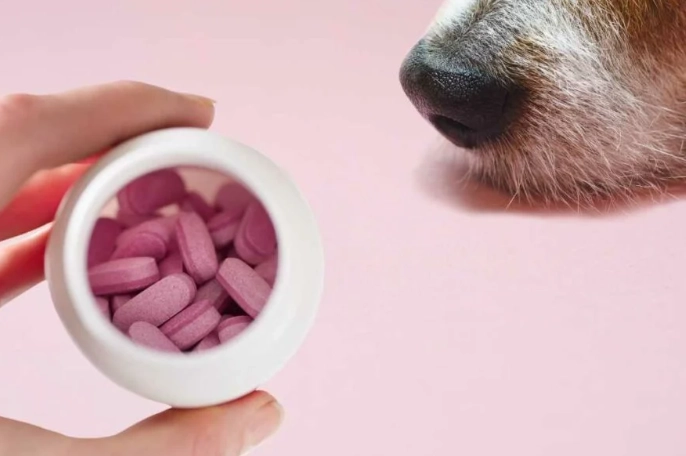
And what about the little guys under 10 pounds? That's a vet call, 100%.
The Step-by-Step Action Plan: What to Do From the Moment of the Sting
Let's walk through it, step by step. This is the practical stuff you can actually do.
- Stay Calm and Secure Your Dog. Your dog will feed off your energy. Gently leash them or bring them inside to prevent them from running in panic or aggravating the sting.
- Locate and (Maybe) Remove the Stinger. Bees leave a barbed stinger with a venom sac attached. If you can see it, try to scrape it off sideways with a credit card or your fingernail. Don't use tweezers—you might squeeze more venom into the wound. If it's not easily visible or your dog won't let you, don't fight it. The venom is injected quickly.
- Apply a Soothing Compress. A cool, damp cloth or an ice pack wrapped in a towel applied to the area for 5-10 minutes can reduce swelling and pain. Don't apply ice directly to the skin.
- Make the Critical Assessment. Is your dog having trouble breathing? Is swelling rapidly spreading beyond the sting site to the face or neck? Any vomiting or collapse? If YES → Go to Emergency Vet NOW. If NO → Proceed to next step.
- Call Your Veterinarian. This is non-negotiable. Describe what happened, your dog's weight, breed, and any symptoms. Ask: "Should I give my dog Benadryl for this bee sting, and if so, what is the exact dose for my pet?" They know your dog's history (e.g., if your dog has glaucoma, high blood pressure, or is on other meds where Benadryl is contraindicated).
- If Advised, Administer the Correct Dose. Hide the pill in a small treat like a bit of cream cheese or a pill pocket. Ensure your dog swallows it.
- Monitor Closely for 24-48 Hours. Watch for any worsening of symptoms or the onset of delayed reactions. Keep your dog calm and rested.
When Benadryl Is NOT the Answer: Risks, Contraindications, and Limits
Benadryl isn't a cure-all, and it has real limitations. I think some online forums make it sound like a harmless treat, which is irresponsible.
First, some dogs should not take diphenhydramine. This includes:
- Dogs with glaucoma.
- Dogs with certain heart conditions, like hypertension.
- Dogs with prostate enlargement or bladder obstruction.
- Pregnant or nursing dogs.
- Dogs taking certain other medications (like sedatives, seizure meds). Your vet will check for interactions.
- Dogs who have previously had a bad reaction to antihistamines.
Second, Benadryl does nothing for the pain of a bee sting. It's an antihistamine, not a painkiller. Your dog's whining might be from pain, not just itching. Never give your dog human pain relievers like ibuprofen (Advil), naproxen (Aleve), or acetaminophen (Tylenol)—they are acutely toxic and can cause fatal stomach ulcers or liver failure.
Third, its effectiveness varies. Some vets, like those cited by resources from the Merck Veterinary Manual, note that while antihistamines are widely used, their efficacy in fully controlling significant allergic reactions in animals can be less predictable than in humans. For severe allergies, vets often need to use stronger, faster-acting injectable medications like epinephrine and corticosteroids.
What Else Can You Do? Vet-Approved Home Care and Alternatives
If you can't reach your vet immediately, or if the reaction is very mild, supportive care is key.
- Baking Soda Paste: Make a thick paste with baking soda and a little water and apply it to the sting site. It can help neutralize acidic venom (though bee venom is actually complex). Wash it off after 15-20 minutes.
- Oatmeal: A paste made from colloidal oatmeal or a cool oatmeal bath can soothe itchy skin.
- Aloe Vera: Pure, natural aloe vera gel (ensure it contains no alcohol or xylitol, which is toxic) can be cooling.
To prevent your dog from licking or chewing the area, an Elizabethan collar (the "cone of shame") is a good idea. It prevents them from making a minor irritation into a raw, infected hot spot.
For pain, your vet might prescribe a pet-safe anti-inflammatory. That's a conversation to have with them. Don't wing it with human meds.
Your Top Questions Answered: The Bee Sting & Benadryl FAQ
Let's tackle the common stuff that keeps dog owners up at night.
How long does it take for Benadryl to work in a dog?
Usually, you'll start to see a reduction in itching and mild swelling within 30 minutes to an hour. The sedative effect often kicks in around the same time.
My dog ate a bee! Is that different?
If they swallowed it, they might get stung inside the mouth or throat. This is more dangerous due to the risk of internal swelling blocking the airway. Watch for drooling, pawing at the mouth, or gagging. This often warrants an immediate vet visit, even if they seem okay at first.
Wasp sting vs. bee sting—does it matter for treatment?
The first aid is largely the same. However, wasps don't leave a stinger behind, so there's nothing to remove. The venom is chemically different, but the allergic reaction potential is similar. The core question, "Should I give my dog Benadryl for a bee sting?" applies to wasp and hornet stings too.
My dog seems fine after a sting. Do I still need to worry?
Most of the time, they will be. But monitor them closely for the next 12-24 hours. Sometimes reactions can be delayed. Keep an eye out for any lethargy, loss of appetite, or increased swelling.
Can I use children's Benadryl for my small dog?
You can, but you must be meticulous. Use only the dye-free liquid that contains only diphenhydramine as the active ingredient. Calculate the dose based on your dog's weight and the concentration (e.g., 12.5 mg per 5 ml). A 5-pound dog might only need 2.5 mg, which is a tiny volume. An oral syringe is essential for accuracy.
Prevention: The Best Medicine
Honestly, the best way to handle a bee sting is to avoid it. This isn't always possible, but you can reduce risk.
- Keep your dog away from flowering gardens, blooming clover in lawns, and outdoor food/drink areas where bees congregate.
- Teach a solid "leave it" command to stop them from snapping at flying insects.
- Keep trash cans covered tightly.
- If you have a known bee or wasp nest on your property, have it professionally removed.
For dogs with a known severe allergy (confirmed by a vet), your veterinarian may prescribe an epinephrine auto-injector (Epi-Pen) for you to keep on hand and show you how to use it. This is a serious medical decision and protocol.
The Final Word: Putting It All Together
So, circling back to the burning question: Should I give my dog Benadryl for a bee sting?
It can be a safe and helpful part of your first-aid response for a mild, localized reaction, provided you have used the correct formulation, calculated the precise dose based on your dog's weight, and ideally, have gotten the green light from your veterinarian—especially if it's the first time.
It is not a treatment for a severe allergic reaction. It is not a pain reliever. And it is not a decision to make casually without understanding the risks and proper protocol.
1. Assess for emergencies (breathing trouble, facial swelling, collapse). If present → ER VET.
2. Perform basic first aid: Remove stinger (if easy), apply cool compress.
3. Call your vet for dosage confirmation and approval.
4. Use only plain diphenhydramine and dose accurately by weight.
5. Monitor closely for the next couple of days.
6. When in doubt, always err on the side of caution and seek professional veterinary care.
Having a plan takes the panic out of the moment. Talk to your vet at your dog's next check-up about their recommendations for bee stings and whether keeping Benadryl on hand is right for your family. A little preparation gives you the confidence to help your best friend when they need you most.
Because at the end of the day, that's what it's about—keeping them safe and comfortable. Even if it means dealing with a dopey, drowsy dog for an afternoon while the antihistamine does its thing. Trust me, the snoring is a lot better than the alternative.





Leave a comment