So you've found a puddle behind the sofa, or maybe that lingering smell just won't quit. The first question that pops into your head, especially if you have kids or someone with health issues at home, is a serious one: is cat urine dangerous to humans? It's not just about the nasty smell or the ruined carpet. There's a real concern underneath it all.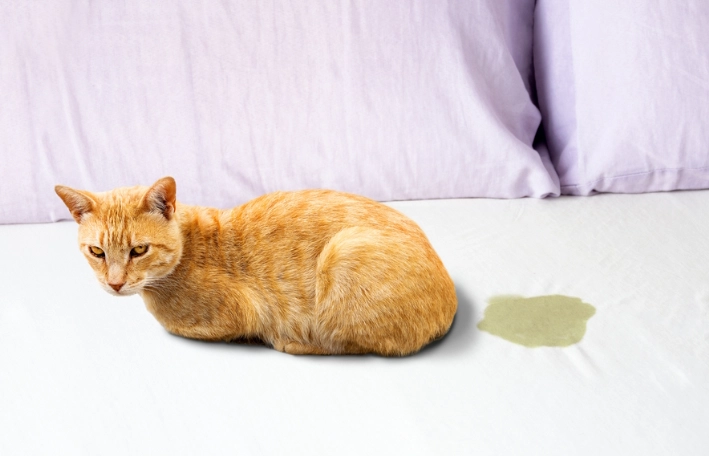
Let's cut to the chase. For most healthy people, the occasional whiff of cat pee from a litter box is unpleasant but not a major health crisis. But here's the thing most websites don't tell you straight: when cat urine accumulates, seeps into porous materials, or isn't cleaned properly, it can absolutely pose risks. We're talking about more than just a stinky house. We're talking about potential triggers for asthma, exposure to harmful bacteria, and the slow release of irritating chemicals into the air you breathe.
I remember helping a friend clean out a room in an old house they'd just bought. The previous owner's cat had... let's say, claimed the carpet for years. The ammonia smell was so strong it made our eyes water and gave us headaches within minutes. That was a wake-up call. It wasn't just dirty; it felt chemically aggressive. That experience got me digging into the science behind it all.
Quick Navigation
The Nasty Stuff in Cat Urine: A Breakdown of the Risks
To understand if cat urine is dangerous, you need to know what's in it. It's not just water and waste. When fresh, it contains urea, creatinine, uric acid, electrolytes, and various bacteria from the cat's urinary tract. The real problems start as it decomposes.
Ammonia: The Immediate Irritant
This is the big one everyone talks about. Urea in the urine breaks down into ammonia. You know that sharp, eye-watering smell? That's ammonia. In high concentrations, like in a poorly ventilated room with soiled litter boxes or soaked flooring, it's a respiratory irritant.
Short-term exposure to high levels can cause:
- Coughing and sore throat
- Burning, watery eyes
- Headaches
- Nausea and dizziness
Think about people who work with industrial cleaners – they wear masks for a reason. While your cat's accident won't reach industrial levels, in a confined space, it can be surprisingly potent. For individuals with asthma or bronchitis, inhaling ammonia can trigger severe attacks. The CDC's page on ammonia clearly lists it as a hazardous chemical irritant.
Bacteria and Pathogens: The Invisible Threat
This is the part that genuinely worries me. Cat urine can harbor bacteria from the cat's own system, like E. coli and Proteus vulgaris. If a cat has a bacterial infection, its urine will contain those pathogens. When urine dries, some bacteria can become airborne as part of dust particles.
More seriously, the parasite Toxoplasma gondii, which causes toxoplasmosis, can be shed in cat feces, but contamination of the area with urine can also be a concern in extremely unsanitary conditions. The primary risk from toxoplasmosis is to pregnant women, as it can cause severe birth defects. The CDC's guide on toxoplasmosis is an essential resource for understanding this risk, though it's crucial to note the parasite is primarily spread through feces, not urine.
The real bacterial danger comes from touching contaminated surfaces and then your mouth or eyes, or from inhaling dust from dried, contaminated litter or debris.
Allergens: It's Not Just the Dander
Most people think cat allergies are only about dander (skin flakes). But a major allergen, called Fel d 1, is also found in cat saliva and, you guessed it, cat urine. As urine dries and crystallizes, these allergen proteins can become airborne.
For someone with a cat allergy, a home with old, lingering cat urine smells can be a constant source of symptoms—sneezing, itchy eyes, runny nose—even if the cat itself isn't in the room. This makes the question of whether cat urine is dangerous to humans with allergies a definite yes. It's perpetuating the exposure.
Cleaning Cat Urine: Doing It Wrong vs. Doing It Right
Most people grab a towel and some household cleaner. And that's exactly how the problem gets worse, locking in the smell and the potential hazards. The uric acid in cat urine is insoluble in water. Water-based cleaners (and yes, that includes vinegar, despite what Pinterest says) will only dilute the urea (which washes away) but crystallize the uric acid salts, making them harder to remove later. The smell comes back when humidity rises.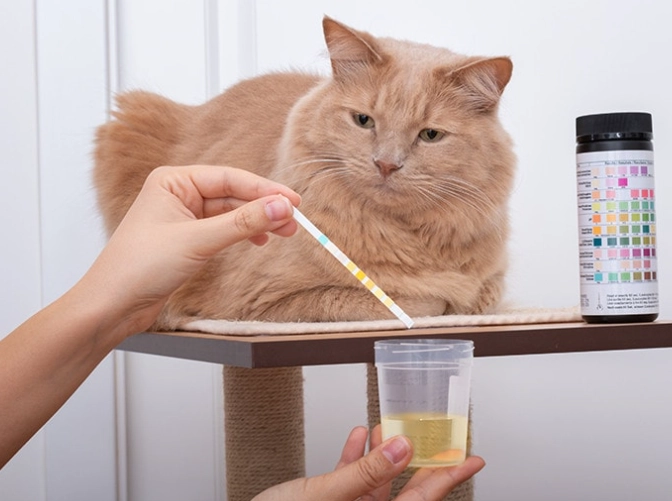
Here’s my tried-and-tested, step-by-step approach for a fresh accident on a washable surface (like a hardwood floor or tile):
- Blot, Don't Rub. Use paper towels or an old cloth to soak up as much liquid as possible. Press down hard. Rubbing pushes it deeper.
- Enzyme Cleaner is Your Best Friend. This is non-negotiable. Enzyme cleaners contain bacteria that literally eat the uric acid crystals, breaking them down into harmless gases. They are the only thing that truly removes the source of the odor and the allergen. Saturate the area according to the bottle's instructions. Let it dwell. This takes time—sometimes hours.
- Let it Air Dry. Don't cover it. The enzymes need oxygen to work.
- Repeat if Necessary. For old or heavy stains, a second application might be needed.
For carpets, upholstery, or subfloors, the process is more intense and often involves extraction and deep saturation. Sometimes, sadly, the only solution for porous materials that have been repeatedly soiled is removal and replacement. The urine can wick up drywall, seep through carpet backing into the padding and subfloor. I've seen it.
To make things clearer, let's compare common cleaning methods. This table shows why some popular choices fail and what actually works.
| Cleaning Method / Product | How It Works | Effectiveness on Cat Urine | Why It Often Fails |
|---|---|---|---|
| Plain Water & Detergent | Dilutes and washes away water-soluble components. | Poor | Leaves insoluble uric acid crystals behind. Smell returns with humidity. |
| White Vinegar Solution | Acidic; can neutralize some ammonia odor. | Low to Moderate (on fresh urine) | Does not break down uric acid. Smell often returns. Can set some stains. |
| Baking Soda | Absorbs odors temporarily. | Very Poor (as a primary cleaner) | It's a deodorizer, not a cleaner. Does nothing to remove the urine. |
| Ammonia-Based Cleaners | Cuts through grease and grime. | Harmful & Counterproductive | Adds more ammonia, worsens air quality, attracts cats to re-soil. |
| Enzyme Cleaner (e.g., Nature's Miracle, Rocco & Roxie) | Live bacteria/enzymes digest urine proteins and crystals. | Excellent (when used correctly) | Eliminates the source, not just the smell. Prevents re-marking. |
| Professional Deep Cleaning / Extraction | Heated water, suction, and professional-grade enzymatic solutions. | Best for severe/carpet cases | Costly, but necessary for deeply embedded urine in carpets/padding. |
Prevention is Always Better (and Cheaper) Than Cure
Worrying about whether cat urine is dangerous to humans becomes a moot point if you can prevent the accidents in the first place. Most inappropriate elimination (the fancy term for peeing outside the box) is a symptom, not a behavioral flaw.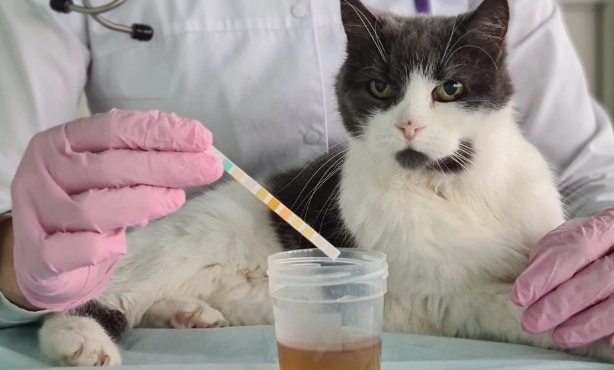
The Litter Box Commandments
Cats are fastidious. A dirty box is the number one reason they go elsewhere.
- Number of Boxes: The rule is one per cat, plus one extra. Two cats? Three boxes. It gives them options.
- Cleanliness: Scoop at least once a day. Twice is better. Dump and wash the whole box with mild soap monthly.
- Size and Style: The box should be 1.5 times the length of your cat. Many commercial boxes are too small. High sides are great for kickers, but low entries are a must for kittens and seniors.
- Location, Location, Location: Quiet, low-traffic area, but not somewhere so remote they get ambushed. Not next to a loud appliance.
- Litter Type: Most cats prefer unscented, fine-grained clumping litter. Scented stuff is for us, not them, and can deter use.
When to Suspect a Medical Problem
Sudden changes in urination habits are a red flag. Don't get angry, get to a vet.
- Straining to urinate or crying in the box (URGENT – can be a fatal blockage, especially in males).
- Increased frequency or volume of urine.
- Blood in the urine.
- Peeing in unusual places (like cool, smooth surfaces – sinks, tubs, tiles).
Conditions like urinary tract infections, bladder stones, cystitis, diabetes, and kidney disease can all cause inappropriate urination. Treat the disease, and the behavior often stops.
Stress and Environmental Factors
Cats are creatures of habit. A new pet, a new baby, construction noise, a rearranged living room, or even a stray cat outside the window can stress them into marking territory. Providing vertical space (cat trees), hiding spots, and consistent routines helps immensely. Feliway diffusers (synthetic calming pheromones) can also be useful tools.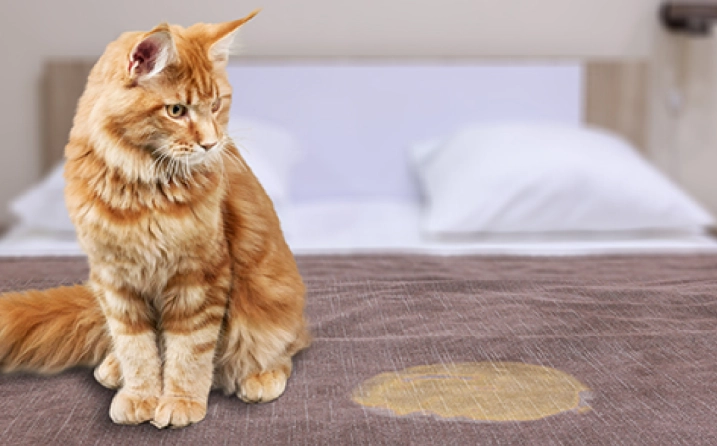
Your Most Pressing Questions, Answered
Let's tackle some of the specific questions people have when they search this topic. These are the things that keep you up at night.
Can the smell of cat urine alone make you sick?
Yes, it can, particularly over time or in high concentrations. The ammonia in the smell is an irritant. For someone with asthma, COPD, or other respiratory sensitivities, inhaling it can trigger inflammation and attacks, leading to coughing, wheezing, and shortness of breath. Headaches and nausea are also common complaints in poorly ventilated, smelly environments. So it's not just in your head—the smell itself carries the irritant.
Is dried cat urine dangerous?
In some ways, dried cat urine can be more insidious. As it dries, the urea converts to ammonia gas, which is released slowly. The uric acid crystallizes. These crystals are stable until humidity introduces moisture, causing them to release odor again. Furthermore, dried urine can flake and become part of household dust. If that urine contained bacteria or allergens, you or your family could be inhaling them. So, while it's less of a liquid biohazard, dried cat urine continues to pose an air quality and potential allergen issue.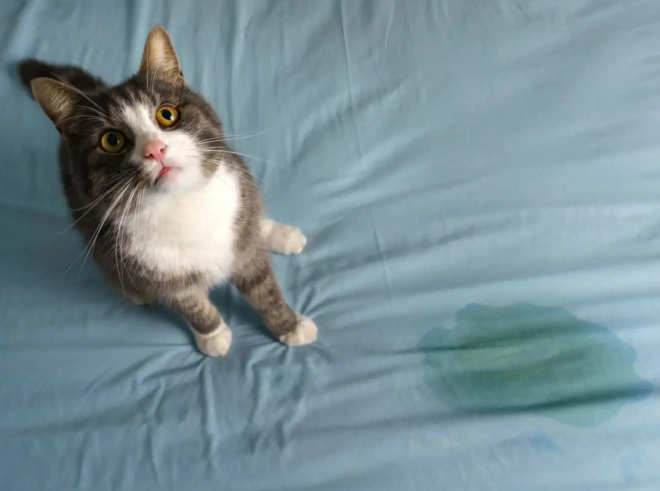
How do I know if cat urine is making me sick?
Look for a pattern. Do your symptoms (headache, itchy eyes, cough, sinus congestion) improve when you leave the house for several hours and worsen when you return? Do they flare up in specific rooms, perhaps where the litter box is stored or where you know there was an old accident? If you've recently cleaned a large, old urine stain and experienced strong irritation, that's a clear sign. Listening to your body is key. If you suspect a link, improving ventilation, thorough cleaning with enzymes, and possibly using an air purifier with a HEPA and carbon filter can help.
My child crawled on a floor where a cat had peed. What should I do?
First, don't panic. For a one-time, brief exposure, the risk is very low. Wash the child's hands and skin thoroughly with soap and water. Wash their clothes separately in hot water. The goal is to remove any potential bacteria or residue. The main concern would be if the child put hands contaminated with fresh urine into their mouth, which could introduce bacteria. Monitor for any signs of stomach upset, but serious illness is unlikely from a single incident. The greater long-term risk is from chronic exposure to the allergens and irritants in a home with pervasive urine issues.
Can you get toxoplasmosis from cat urine?
This is a very common fear, but the science is clear. According to the CDC's information for pregnant women, the Toxoplasma gondii parasite is shed in cat feces, not urine. A cat infected with toxoplasma will shed the oocysts (eggs) in its feces for only a short period (1-3 weeks) in its entire life. The primary routes of human infection are through eating undercooked, contaminated meat or through contact with contaminated soil (like gardening) where cats have defecated. While maintaining general hygiene around pets is wise, the risk of getting toxoplasmosis directly from cleaning a litter box is low if you scoop daily (oocysts take 1-5 days to become infectious), and the risk from urine is negligible. Pregnant women should still avoid changing litter if possible, or wear gloves and wash hands thoroughly.
The Bottom Line: A Balanced Perspective
So, is cat urine dangerous to humans? It's not a poison in the classic sense, but it's far from harmless. Framing it as a "health risk" or a "significant irritant and potential allergen" is accurate.
For the average person, the main issue is the foul odor and the damage to your home. But when you dig deeper, the potential for respiratory irritation, bacterial exposure, and sustained allergen presence is real, especially for vulnerable groups. The danger often lies in the chronic, low-level exposure in a home with unresolved urine problems, not in a single accident.
The good news? You have control. Through prompt and proper cleaning with the right products (enzyme cleaners!), vigilant litter box maintenance, and prompt veterinary care for your cat, you can virtually eliminate these risks. It turns the question from "Is cat urine dangerous?" to "How do I manage my cat's waste safely and effectively?"
It's about cohabiting safely. Cats are amazing companions, and a little knowledge about their biology and waste goes a long way in preventing problems. Don't let fear take over, but don't ignore the yellow puddle in the corner either. Address it quickly, address it smartly, and you'll all breathe easier.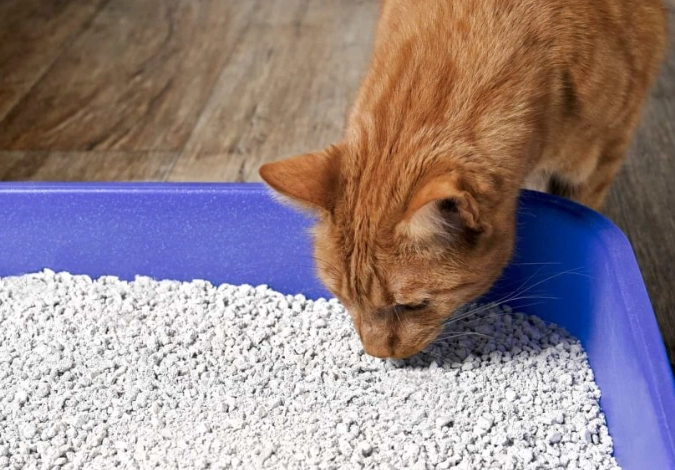





Leave a comment