In This Article
- Why the Big Shift? Understanding the Problem with Peroxide
- The One Time Vets Might Still Recommend Peroxide
- Your Step-by-Step Guide to Safer Dog Wound Care at Home
- When to Absolutely Skip the Home Kit and Call the Vet
- Safer Alternatives to Hydrogen Peroxide for Dog Wounds
- Your Top Questions on Peroxide and Dog Wounds, Answered
- Building a Better Dog First-Aid Kit
Let's be real for a second. You're staring at a cut on your dog's paw, the medicine cabinet is right there, and that familiar brown bottle of hydrogen peroxide is screaming your name. It's what your mom used on your scraped knees, it bubbles impressively, and it feels like you're doing something. The question "Is peroxide safe for dogs wounds?" pops into your head, but the urgency of the situation makes it tempting to just go for it. I get it. I've been there, bottle in hand, wondering the same thing.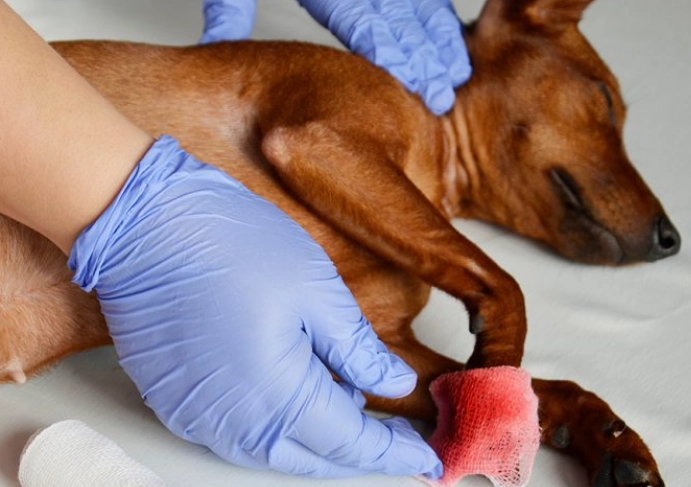
But here's the thing most vets will tell you if you ask them point-blank: the standard advice has changed. That old-school first-aid staple isn't the go-to hero we once thought it was for our canine companions. In fact, using it incorrectly can sometimes do more harm than good, slowing down the very healing process you're trying to start. This isn't about scaring you; it's about giving you the clear, practical info you need to make the best call for your furry friend. We're going to dig deep into the science, the scenarios, and the safer alternatives so you can handle those inevitable bumps and scrapes with confidence.
Why the Big Shift? Understanding the Problem with Peroxide
So, why is peroxide falling out of favor? It boils down to how it works and how dog skin heals. Hydrogen peroxide (that's H₂O₂ for the science-minded) is a potent oxidizing agent. When it hits an open wound, it breaks down into water and oxygen. That fizzing action is the oxygen being released. It looks like it's cleaning, and to a degree, it is—it can flush out some debris and kill some bacteria through oxidation.
But that oxidative power is a double-edged sword. It doesn't discriminate much between bad bacteria and the delicate new cells your dog's body is trying to build to close the wound. Think of those new cells as tiny construction workers. Pouring peroxide on them is like throwing sand in their eyes and on their tools. It's irritating and destructive.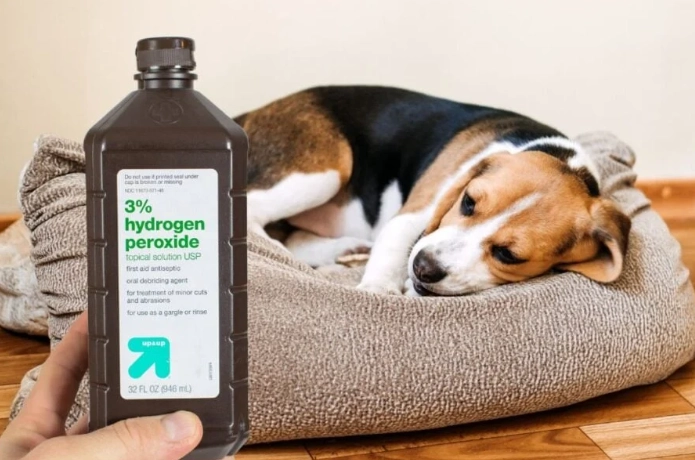
Here’s the breakdown of the main concerns vets have when you ask, "Is peroxide safe for dogs wounds?"
- Tissue Damage: Peroxide can damage fibroblasts and keratinocytes, the essential cells responsible for building new tissue and forming a protective barrier. Damaging them delays healing from the inside out.
- Impaired Healing: By killing these precious cells, it can turn a simple cut into a slower-healing, potentially more problematic wound. The wound might stay open longer, increasing the risk of a secondary infection.
- Granulation Tissue Overgrowth: In some cases, the irritation can cause the body to overproduce "proud flesh" or granulation tissue, creating a raised, red, bumpy area that won't skin over properly.
- It Stings! Let's not forget the patient. Applying peroxide to an open wound hurts. It causes a burning sensation. Why put your dog through unnecessary pain if there are gentler options?
A veterinary friend of mine put it bluntly: "We spent years telling people to use it, and now we're spending years telling them to stop. The evidence for its negative effects on wound healing is pretty clear." That shift in professional consensus is important to note.
The One Time Vets Might Still Recommend Peroxide
Okay, so with all that said, is there ever a green light for using peroxide on a dog? There's one specific, and important, exception.
For wounds, its use is extremely limited. A vet might, in a controlled setting, use a dilute peroxide solution to help clean a severely contaminated, fresh wound (think: your dog rolled in something foul and then got a deep cut). The goal is to use the foaming action to mechanically dislodge debris like dirt or bits of plant material before they irrigate the wound thoroughly with sterile saline. This is a "first-pass" cleaning technique, not a leave-on treatment. Once the wound is clean, they switch to gentler methods for ongoing care.
So, for the vast majority of at-home situations—the scraped elbow, the torn paw pad, the small bite from rough play—reaching for the peroxide isn't the best first move.
Your Step-by-Step Guide to Safer Dog Wound Care at Home
Alright, so if peroxide is off the table for most things, what should you do when you discover an injury? Let's walk through a practical, vet-approved protocol. This is the information I wish I'd had years ago.
Step 1: The Initial Assessment & Restraint. Stay calm. Your dog will feed off your energy. Gently get them to lie down in a well-lit area. Have someone help hold and comfort them if needed. Put on some disposable gloves if you have them.
Step 2: Control Any Bleeding. For most minor cuts, bleeding is minimal. Apply firm, direct pressure with a clean gauze pad or cloth for several minutes. If the bleeding is severe or doesn't stop with pressure, that's your cue to skip home care and go straight to the emergency vet.
Step 3: The Gentle Clean (The Most Important Step). This is where you replace the peroxide. The gold standard for cleaning wounds at home is a sterile saline solution. You can buy it cheaply at any pharmacy, or make a close approximation at home.
Flush the wound generously with the saline. Use a syringe (without the needle) to create gentle pressure that helps wash out debris. The goal is mechanical flushing, not chemical killing. You can also use lukewarm tap water in a pinch if the wound is dirty and you have nothing else—getting dirt out is priority one.
Step 4: Pat Dry & Inspect. Gently pat the area dry with a fresh, clean gauze pad. Take a good look. How deep is it? Is there any foreign material stuck inside (like a thorn or glass)? Are the edges jagged and gaping open?
Step 5: Apply a Pet-Safe Antiseptic (Optional). For very superficial scrapes, cleaning alone may be sufficient. For slightly deeper cuts, you can apply a thin layer of a pet-safe antiseptic ointment. Avoid human products like Neosporin unless your vet says it's okay, as dogs may lick it and some ingredients can cause stomach upset. Look for veterinary-specific products like Vetericyn Plus Hydrogel.
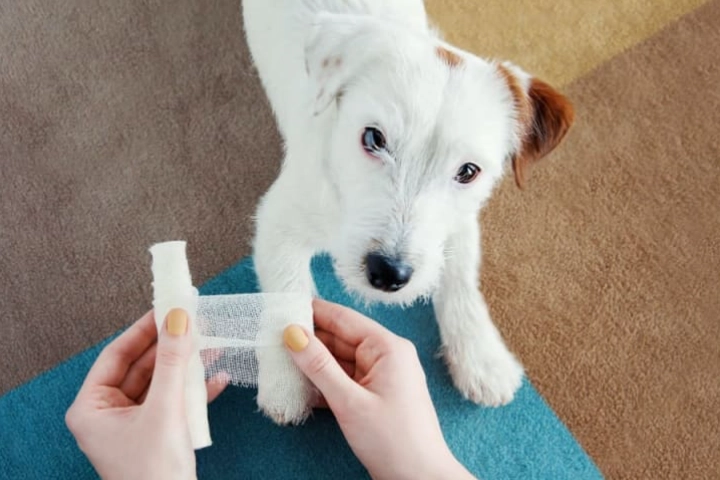
Step 6: Bandage or Not to Bandage? This is tricky. A bandage can protect the wound but also create a moist environment for bacteria if not changed often (every 12-24 hours). It can also be a chew toy for your dog. For wounds on the torso or upper legs where your dog can't lick, a light, non-stick bandage secured with vet wrap (not too tight!) can help. For paw wounds, a dog bootie might be better. For most other places, preventing licking is the challenge.
When to Absolutely Skip the Home Kit and Call the Vet
Knowing when not to treat at home is just as crucial as knowing how to. If you see any of the following, pick up the phone:
- Deep punctures (especially from bites or unknown objects).
- Wounds that are gaping open and likely need stitches.
- Signs of infection: increasing redness, swelling, warmth, pus (yellow/green discharge), or a foul smell.
- Bleeding that doesn't stop with 5-10 minutes of direct pressure.
- The wound is near the eyes, mouth, or genitals.
- Any injury caused by a wild animal, due to rabies risk.
- Your dog is acting lethargic, not eating, or seems in significant pain.
- You're simply unsure. A quick telemedicine call can provide huge peace of mind.
I learned this the hard way with my own dog, Max. He had a small cut on his leg that I kept "treating" at home. It wasn't getting better, just angrier looking. The vet took one look and said it was starting to get infected underneath a superficial layer of healing. A course of antibiotics and proper wound management cleared it up. My well-intentioned but misguided care had just delayed proper healing.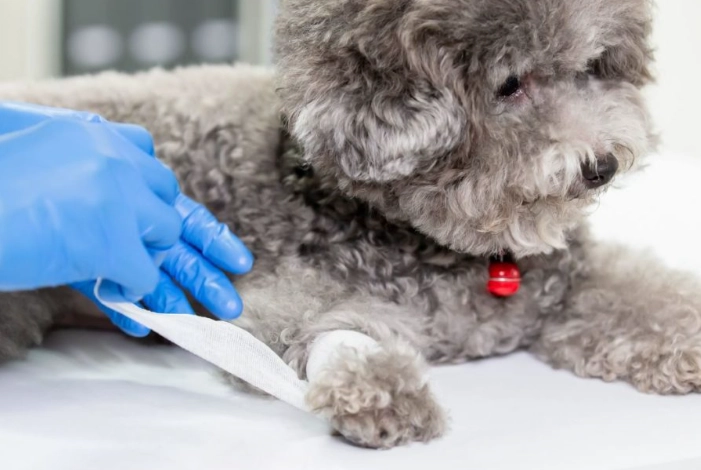
Safer Alternatives to Hydrogen Peroxide for Dog Wounds
So, what should you stock in your pet first-aid kit instead of relying on peroxide? Here’s a comparison of common options.
| Product | Best Used For | How to Use | Key Notes & Cautions |
|---|---|---|---|
| Sterile Saline | Initial cleaning and flushing of all wound types. | Generously flush the wound to remove debris. Use a syringe for pressure. | The safest, most gentle option. Causes no tissue damage. Your go-to for first cleaning. |
| Chlorhexidine Solution (2% or 4%) | Disinfecting after initial saline flush, especially for dirty wounds. | Dilute as directed (typically 1 part chlorhexidine to 40 parts water). Apply with gauze or spray. | Excellent broad-spectrum antiseptic, gentler on tissue than peroxide. A vet favorite. Avoid getting in eyes or ears. |
| Povidone-Iodine (Betadine) | Disinfecting after initial saline flush. | Dilute to the color of weak tea. Apply with gauze. | Effective but can stain fur. Some dogs may be allergic to iodine. Always dilute. |
| Veterinary Antiseptic Sprays/Gels (e.g., Vetericyn) | Daily wound management, promoting a moist healing environment. | Spray or apply a thin layer directly to the cleaned wound as per label. | Specifically formulated for pets, non-toxic if licked. Often contain hypochlorous acid, which is very tissue-friendly. |
| Plain Warm Water | Immediate flushing if nothing else is available. | Use gentle running water or a soaked cloth to remove gross contamination. | Better than nothing to get mud/dirt out, but follow with a proper antiseptic if possible. |
My personal kit now has a big bottle of sterile saline, a small bottle of dilute chlorhexidine, and a can of veterinary wound spray. It covers 99% of what I need and gives me confidence I'm not accidentally hurting my dog while trying to help him.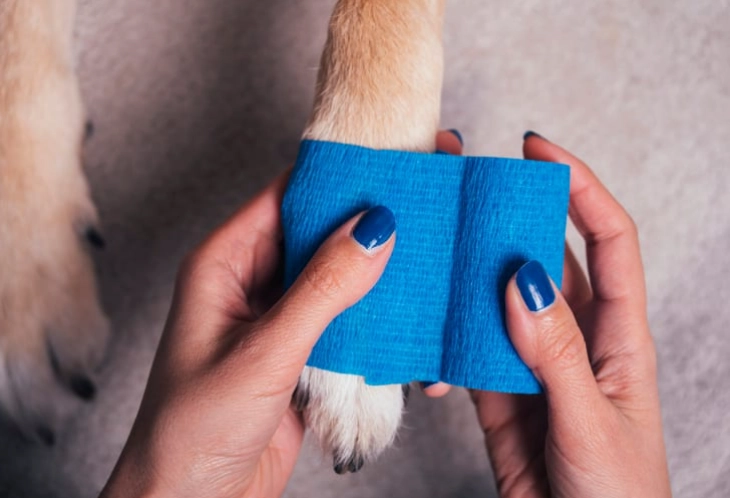
Your Top Questions on Peroxide and Dog Wounds, Answered
Let's tackle some of the specific questions that swirl around this topic. These are the things I've been asked by other dog owners, and the answers based on current veterinary guidance.
Building a Better Dog First-Aid Kit
Let's finish with something positive: a checklist for a peroxide-free, super-effective pet first-aid kit. Having this ready takes the panic out of minor emergencies.
- Primary Cleanser: Bottles of sterile saline solution (0.9% sodium chloride).
- Antiseptic: A small bottle of 2% chlorhexidine solution (to be diluted) or a ready-to-use veterinary antiseptic spray/gel.
- Tools: Blunt-tipped scissors, tweezers, several syringes (1cc, 3cc, 12cc—without needles) for flushing wounds, a digital thermometer (pet-specific), a soft muzzle.
- Dressings: Non-stick sterile gauze pads (multiple sizes), self-adhering vet wrap (like PetFlex), porous medical tape, roll cotton.
- Miscellaneous: Disposable gloves, a flashlight/headlamp, a soft blanket, your vet's and emergency vet's phone numbers, and the ASPCA Animal Poison Control number (888-426-4435).
You'll notice hydrogen peroxide isn't on that list. If you feel you must have it for the rare vomiting induction scenario, store it separately and mark it clearly. And remember, that use requires a vet's direct phone instruction.
Watching your dog get hurt is stressful. The urge to grab something—anything—to fix it is powerful. But sometimes, the most helpful thing is to pause, take a breath, and reach for the gentler tool. Knowing that the answer to "Is peroxide safe for dogs wounds" is usually "no," and having a plan with better alternatives, turns you from a panicked owner into a capable caregiver. Your dog trusts you to make the right call. Now you have the information to do just that.




Leave a comment