Quick Guide
Let's be real for a second. You're looking at your cat, maybe he's sprawling across your keyboard (as they do), and you're wondering: "Is he... chonky? Or is this just fluff?" It's a question that hits every cat owner at some point. We love our boys, but that extra pouch or those rounded sides can be confusing. Is it a sign of a happy, well-fed cat, or a health problem waiting to happen?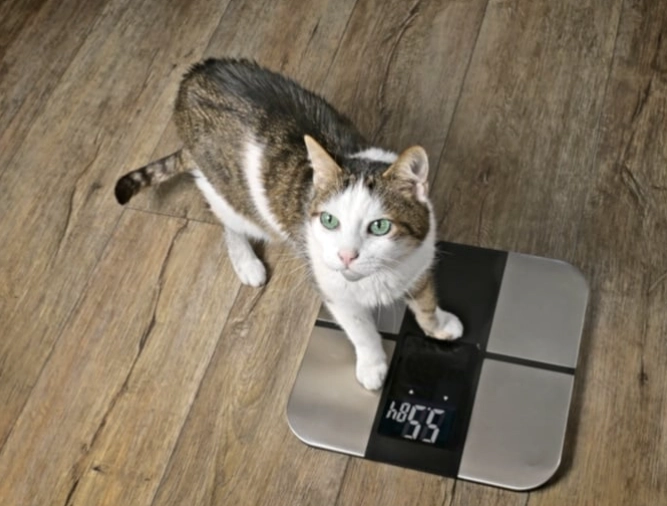
I've been there. My own cat, Leo, a domestic shorthair, went from a sleek teenager to what I lovingly called a "gentleman of substance" after he was neutered. I didn't think much of it until the vet pointed out his creeping male cat body weight during a routine checkup. That was my wake-up call. Since then, I've dug into the research, talked to vets, and learned from my own mistakes. This guide is everything I wish I'd known back then.
Why Your Male Cat's Weight Isn't Just a Vanity Metric
It's easy to brush it off. "He's just big-boned" or "He's a foodie, what's the harm?" I used those excuses. The harm, as it turns out, is pretty serious. Carrying extra weight isn't just about looks; it's a constant strain on a cat's entire system.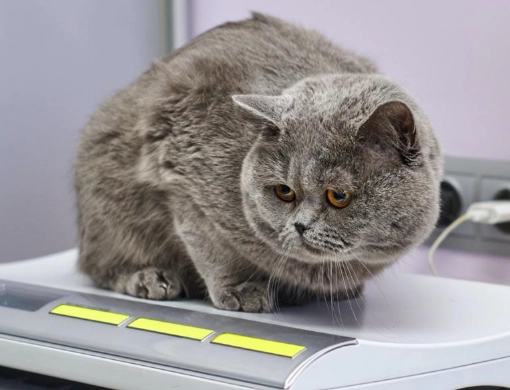
Think about it this way. An extra two pounds on a 10-pound cat is like a person carrying an extra 30-40 pounds. Suddenly, that afternoon nap isn't just laziness; it's because moving around is harder. Excess male cat body weight is directly linked to a shorter lifespan and a higher risk of some nasty diseases.
- Diabetes Mellitus: Overweight cats are up to four times more likely to develop diabetes. It's a demanding, expensive condition to manage involving insulin shots and strict diets.
- Osteoarthritis: Those extra pounds grind down the joints. A heavy cat might stop jumping not because he's disinterested, but because it hurts.
- Urinary Tract Issues: This is a big one for males, who are already prone to blockages. Obesity complicates it further.
- Hepatic Lipidosis (Fatty Liver Disease): If an overweight cat stops eating for even a few days, their body can panic and dump fat into the liver, causing a life-threatening condition.
So yeah, it matters. A lot.
What's "Normal"? Decoding Male Cat Body Weight Ranges
Okay, so we know it's important. But what *is* a healthy weight? This is where people get tripped up. You can't compare your Maine Coon to your neighbor's Siamese.
The average domestic shorthair male cat usually falls between 10 and 12 pounds (4.5 - 5.4 kg). But "average" is a tricky word. A small-framed cat might be perfect at 8 pounds, while a large-framed one could be lean at 14.
Here’s a more detailed look, because breed really is the biggest factor. I've put together a table based on information from breed standards and veterinary resources like the Veterinary Information Network (VIN), a trusted resource for pet health information.
| Cat Breed | Typical Healthy Weight Range for Males | Notes & Considerations |
|---|---|---|
| Domestic Shorthair/Longhair | 8 - 12 lbs (3.6 - 5.4 kg) | Varies wildly by individual frame. This is the most common reference point. |
| Maine Coon | 13 - 18 lbs (5.9 - 8.2 kg) | A giant breed. Some can healthily reach over 20 lbs, but it must be lean muscle, not fat. |
| Siamese | 8 - 10 lbs (3.6 - 4.5 kg) | Naturally sleek and slender. A 12-pound Siamese is almost certainly overweight. |
| Persian | 9 - 12 lbs (4.1 - 5.4 kg) | Their fluffy coat can hide weight gain. Regular hands-on checks are crucial. |
| Bengal | 10 - 14 lbs (4.5 - 6.4 kg) | Muscular and athletic. Weight should feel dense, not soft. |
| Scottish Fold | 9 - 13 lbs (4.1 - 5.9 kg) | Similar to British Shorthairs, they have a stocky, rounded build naturally. |
See the spread? That's why googling "average cat weight" can be misleading. You have to consider the blueprint he was built from.
The Neutering Effect: Why Your Fixed Boy Gains Weight Easily
This is a massive piece of the puzzle. After neutering, a male cat's metabolism can slow down by up to 30%. His energy requirements drop, but his appetite often doesn't. It's a perfect storm for weight gain.
It's not the surgery itself, but the hormonal shift. Testosterone drives a lot of energy-burning behaviors like roaming, fighting, and marking. No testosterone often means more napping and less calorie burning. The American Animal Hospital Association (AAHA) notes that weight management is a critical part of post-neutering care.
My Leo is a textbook case. He was neutered at 6 months, and I kept feeding him the same amount of a "all life stages" kitten food. Big mistake. Within a year, he'd packed on nearly 3 pounds. I was feeding a growing kitten's diet to a cat whose growth had plateaued and whose metabolism had shifted. You have to adjust.
How to Actually Manage Your Male Cat's Body Weight
Theory is great, but what do you *do*? This is the practical part. It's not about crash diets or making your cat miserable. It's about sustainable habits.
Step 1: The Honest Assessment (Get Your Vet Involved)
Before you change anything, know your starting point. Schedule a vet visit. Say, "I'm concerned about his weight. Can we do a body condition score?" This is a 1-9 scale vets use (like the hand-feel test, but standardized).
This does two things. First, it rules out medical causes (like hypothyroidism, which is rare but happens). Second, it gives you a professional baseline. Your vet can calculate his exact caloric needs for weight loss or maintenance. Don't guess. The World Small Animal Veterinary Association (WSAVA) emphasizes the role of the veterinary team in designing safe weight loss plans.
Step 2: Rethink Feeding (It's Not Just Less Food)
Simply cutting back his current food can leave him nutrient-deficient and hangry. The strategy is smarter, not just smaller.
- Switch to a Weight Management or Satiety Food: These are higher in protein and fiber to promote fullness. They're also calorie-dense, so a smaller volume still provides nutrients.
- Measure Everything: Use a real measuring cup, not a scoop from the bag. Better yet, use a kitchen scale for dry food. Accuracy matters.
- Scheduled Meals, Not a Buffet: Feed 2-4 small meals a day. This regulates metabolism and prevents the frantic hunger that leads to begging.
- The Treat Tax: Treats should make up no more than 10% of daily calories. That's like 2-3 small commercial treats for a dieting cat. Use bits of his regular kibble or freeze-dried chicken (no additives) as "treats" instead.
What about wet food? I'm a fan. It's higher in moisture, which is great for hydration and urinary health, and often lower in carbs. For some cats, a switch to all or part wet food can kickstart weight loss. Talk to your vet about the best mix.
Step 3: Make Him Move (Yes, You Can)
The lazy cat stereotype is a choice, not a destiny. You have to make activity fun and rewarding.
Forget marathon play sessions. Two or three 5-10 minute intense play periods a day are perfect. Use a wand toy to mimic prey—darting, hiding, jumping. Let him "catch" it sometimes to satisfy the instinct. Laser pointers are controversial; they can cause frustration because there's never a physical catch. I use one sparingly, always ending by pointing it at a physical toy he can pounce on.
Simple environmental tricks work too. Put his food bowl on a different floor from where he sleeps, so he has to climb stairs. Use puzzle feeders to make him work for his kibble. It slows eating and engages his brain.
Your Male Cat Weight Questions, Answered
Putting It All Together: A Simple Action Plan
This feels like a lot, I know. So let's simplify it into a checklist you can start this week.
- Book the Vet. Get a body condition score and a target weight.
- Buy a Measuring Cup and/or Kitchen Scale. Start tracking every single calorie that goes in the bowl.
- Hide the Food Bowl. Stop free-feeding today. Pick 2-3 meal times.
- Dig Out the Wand Toy. Commit to two 5-minute play sessions daily, before a meal if possible.
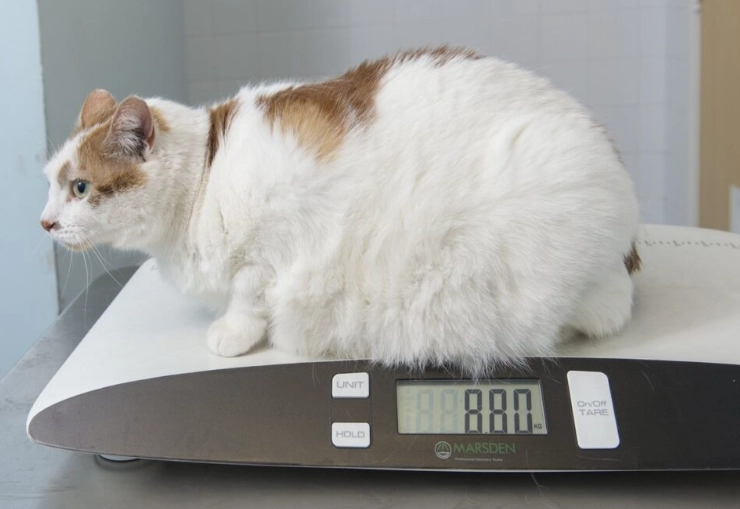
- Weigh Monthly. Use a baby scale or hold him and subtract your weight. Track progress in a notebook.
Managing your male cat's body weight is a long-term commitment, but it's one of the clearest acts of love you can offer. It's not about denying him treats or joy. It's about giving him more years of health, more springs onto the windowsill, and more energetic play. The goal is a cat who feels as good as he looks.
When I finally got Leo down to his target weight, the change was subtle but profound. He didn't magically become a kitten again. But he did start initiating play more. He jumped onto the bed without that little huff of effort. His coat looked shinier. He was just... more *him*. That's the real payoff. It's worth the effort, every single day.



Leave a comment