Quick Navigation
- Why the Cone is a Nighttime Necessity (Even When You're Asleep)
- The Top 3 Challenges of Dog Cone Sleeping
- Your Action Plan: How to Help Your Dog Sleep With the Cone
- What to Expect During the Night (The Realistic View)
- Concrete Solutions: A Comparison of Sleep Aid Options
- Frequently Asked Questions (The Stuff You Actually Search)
- When to Call the Vet (The Red Flags)
- The Bottom Line: Patience and Perspective
Let's be honest here. The first time you put that plastic lampshade on your dog, the question hits you like a ton of bricks. Can dogs sleep with a neck cone? You look at them, bumping into door frames, unable to reach their favorite toy, and the thought of them trying to settle down for the night seems almost cruel. I remember when my friend's Labrador, Max, had to wear the cone after a small lump removal. The first night was, in her words, "a complete disaster." He couldn't figure out how to lie down, whined constantly, and ended up just standing in the middle of the living room looking utterly miserable. She spent the whole night on the couch next to him, feeling like the worst pet owner alive.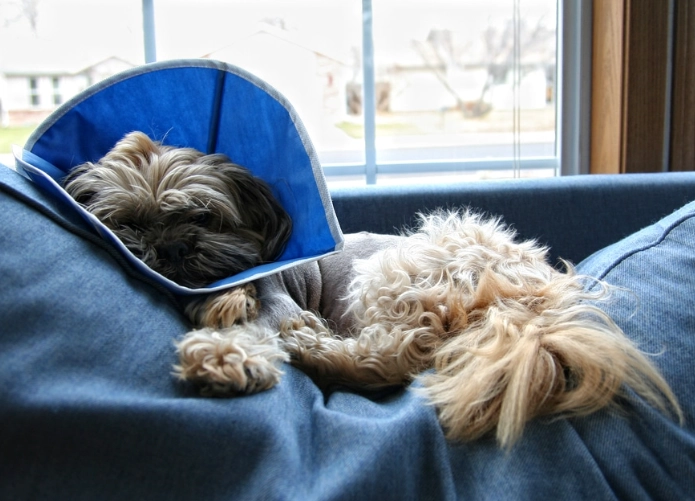
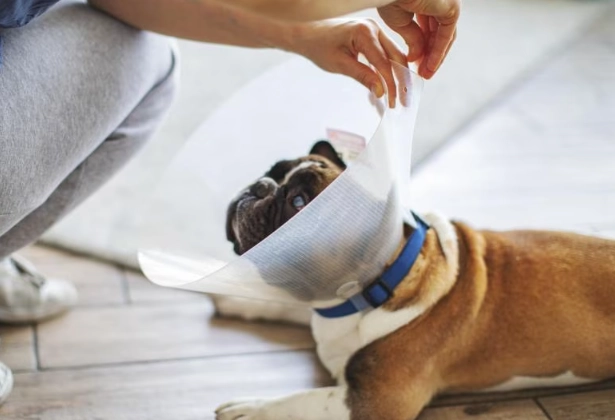
So, let's cut to the chase. Yes, dogs can sleep with a neck cone. They don't really have a choice if they need to heal properly. But the real question isn't about possibility—it's about quality, safety, and sanity (for both you and your dog). The challenge of a dog cone sleeping is one of the most stressful parts of post-operative care that nobody really prepares you for.
This guide isn't just about stating the obvious. It's about walking you through the nitty-gritty, the unexpected hiccups, and the practical hacks that can transform a restless, frustrating night into a manageable one. We'll cover why the cone is non-negotiable for sleep, the specific hurdles your dog will face, and a step-by-step plan to make it work.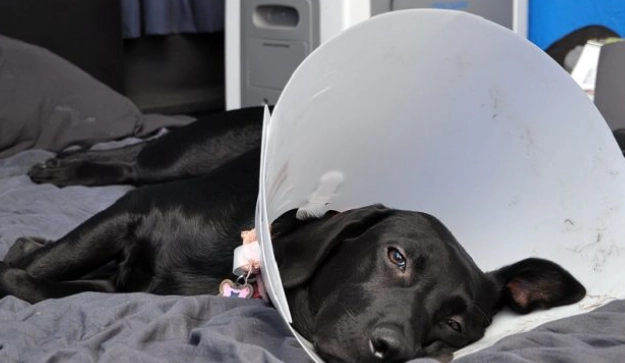
Why the Cone is a Nighttime Necessity (Even When You're Asleep)
It's tempting to take the cone off at night, thinking you'll hear them if they start licking. Trust me, you won't. Dogs are sneaky healers. That compulsive licking or biting at stitches isn't just annoying—it can reopen wounds, introduce infection, and turn a simple recovery into a costly vet revisit. The cone exists for the hours you're not actively supervising, and sleep is the longest period of unsupervised time.
The American Veterinary Medical Association (AVMA) consistently emphasizes that Elizabethan collars (the proper name for the "cone of shame") are the most effective barrier method to prevent self-trauma. Their guidelines on pet care often reference the importance of preventing interference with healing sites. When a dog is sleepy or half-awake, their instinct to lick an itchy, healing incision can kick in without them even fully realizing it. The cone is their nighttime bodyguard.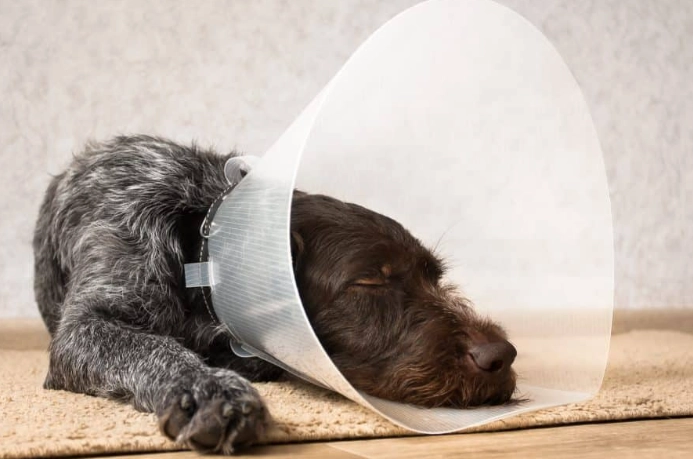
Think of it this way: the frustration of the cone, as real as it is, is a short-term discomfort. A set-back in healing from an infection or a torn stitch is a much longer, more painful, and more expensive problem.
A quick but important note: Some vets might suggest alternatives for very mild cases, but this is a decision that must come from your veterinarian, not from your guilt watching your dog struggle. Never remove the cone at night without explicit veterinary approval.
The Top 3 Challenges of Dog Cone Sleeping
To solve the problem, you need to understand the specific obstacles. It's not just "the cone is annoying." It breaks down into concrete issues that disrupt sleep.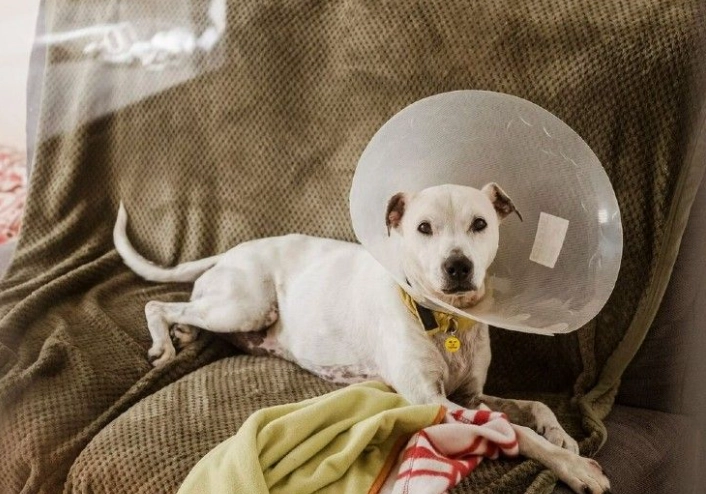
1. The Physical Navigation Problem
The cone turns your dog's spatial awareness upside down. Their peripheral vision is blocked. They can't see their paws or the floor right in front of them clearly. At night, in a dim room, this is amplified.
- Finding a sleeping position: Dogs often circle and paw at their bed before lying down. The cone gets in the way of this ritual. Lying down on their side is particularly tricky because the cone hits the floor first, often at an awkward angle that pushes against their throat.
- Bed and Crate Fit: Will they even fit in their crate with the cone on? For many dogs, the answer is a hard no. The cone diameter is often wider than the crate door.
- Head Support: Dogs like to rest their head on things—the edge of their bed, a pillow, your leg. The cone prevents normal head placement, leaving their neck unsupported.
My friend with Max found he would repeatedly try to lie down, clunk the cone on the ground, get frustrated, stand up, and start the process over. It was a cycle of exhaustion.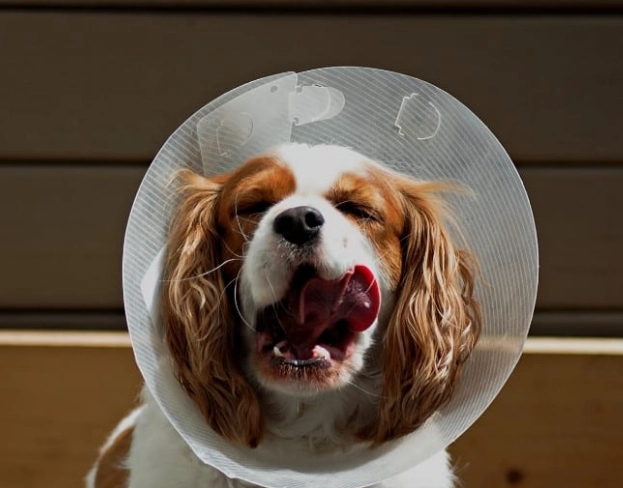
2. The Anxiety and Confusion Factor
This isn't just physical. The cone is psychologically distressing. It's a strange, restrictive object that alters their primary senses (smell and sight are hampered). This anxiety doesn't magically disappear at bedtime. An anxious dog cannot settle into deep, restorative sleep.
You might see pacing, whining, or panting right at bedtime—behaviors rooted in stress, not just physical discomfort. This is where the question "can dogs sleep with a neck cone?" meets behavioral science.
3. The Environmental Hazard Surprises
You might have dog-proofed your home, but have you cone-proofed it? At night, things you never considered become obstacles.
- Wall corners they used to swing around neatly.
- Water bowls that are now impossible to drink from without scooping water into the cone.
- Furniture legs that are now head-level collision points.
Every bump in the night is a sleep interruption for them and potentially for you.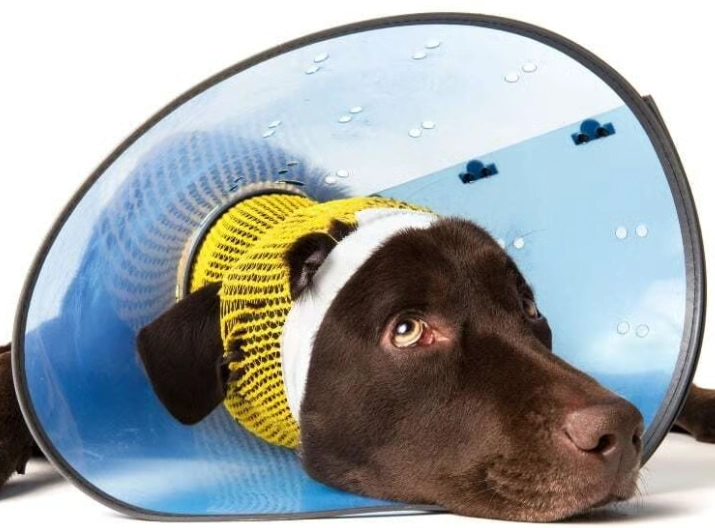
I'll admit, when I first researched this for my friend, I thought the main issue was comfort. I was wrong. It's about dignity and the ability to perform basic biological functions. A dog can't drink, can't eat, can't see its own feet. It's like you're asking them to sleep while wearing a rigidly attached satellite dish. It's bizarre for them.
Your Action Plan: How to Help Your Dog Sleep With the Cone
Okay. So, we've established the challenges. Let's talk solutions. You need a pre-bedtime routine specifically for the cone era.
Step 1: The Pre-Bedtime Safety and Comfort Check
- Re-Size the Cone: This is the most common mistake. The cone should extend just past the tip of your dog's nose. If it's too long, they can't eat or drink. If it's too short, they can bend their neck and reach the wound. A proper fit is the foundation of everything else.
- Cone Edge Padding: The hard plastic rim can chafe. Use medical tape or soft bandage material to pad the inner edge. I've also seen people use a pool noodle sliced open and fitted around the rim—it looks silly but works wonders.
- Inspect the Wound: Do a quick, calm check of the incision site. Look for redness, swelling, or oozing. This is your baseline before the long unsupervised period.
Step 2: Redesign the Sleep Zone
You need to create a "cone-friendly" sleep environment. This isn't their normal bed setup.
- Ditch the Crate (If Necessary): If the cone doesn't fit, don't force it. Use a puppy pen (exercise pen) or confine them to a small, safe, carpeted room like a bathroom or laundry room. Remove anything they can get caught on.
- The Bed Upgrade: A flat, padded surface is better than a donut-style bed with high edges. The cone can get caught on the edges. A large, folded blanket or a flat dog mattress is ideal.
- Create a Cone Slot: If they sleep in a crate, you can sometimes modify their bedding. Place a rolled-up towel or a firm pillow against the side of the crate. This creates a raised spot for the cone to rest over, so their head is supported and the rim isn't pressed into their neck.
Step 3: The Calming Pre-Sleep Ritual
You can't just put them to bed. You need to wind them down.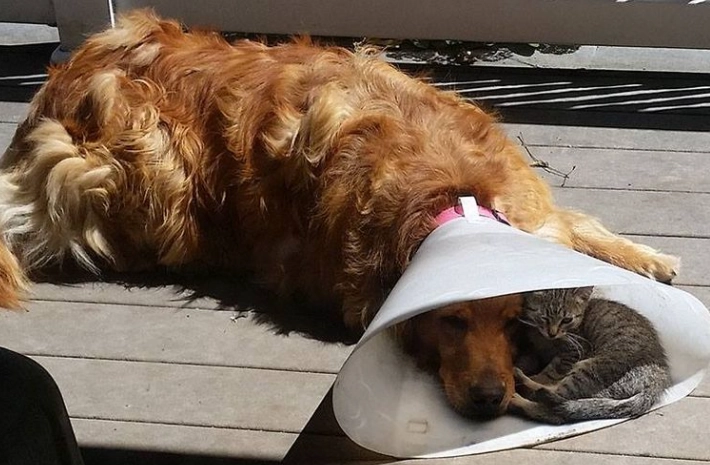
Pro Tip: A tired dog is a sleepy dog, but don't over-exercise them post-surgery. Follow your vet's activity restrictions. Mental fatigue is your friend here. A 10-minute slow sniffari in the yard or some very gentle training (like "look at me" commands) can work wonders to calm an anxious mind.
Consider a calming supplement or pheromone spray (like Adaptil) if your vet approves. A white noise machine can also help mask outside sounds that might startle them.
And here's a big one: spend 10-15 minutes just sitting with them in their new sleep zone. Don't fuss. Just be present. Read a book. Let them get used to the space with the cone on while in a calm state.
What to Expect During the Night (The Realistic View)
Even with perfect preparation, the first few nights might be rough. Expect some whining. Expect them to get up and rearrange themselves multiple times. You might hear the clunk-scrape of the cone on the floor.
The key is not to reinforce the whining by giving attention. If you're sure their needs are met (they've been to the toilet, they're not in visible distress from the wound), offer a calm, reassuring word from a distance and let them settle. Rushing over every time teaches them that whining brings you running, which will make every subsequent night harder.
Check on them silently if you're worried. Use a baby monitor if they're in another room. Look for calm, resting behavior, not just silence (they could be silently standing in distress).
Concrete Solutions: A Comparison of Sleep Aid Options
Sometimes, the standard plastic cone is the worst offender for sleep. It's rigid, loud, and blocks vision. Let's look at the alternatives specifically for nighttime viability. This table breaks it down based on real user experiences and vet feedback.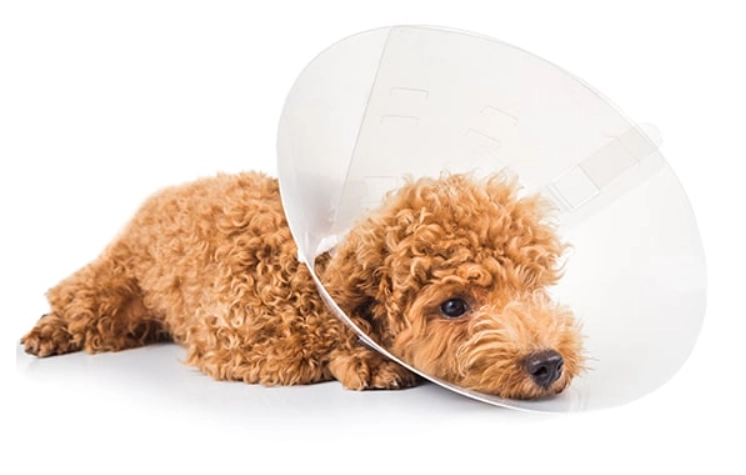
| Option | Best For Night Because... | Potential Nighttime Drawback | Vet-Approved for Safety? |
|---|---|---|---|
| Traditional Plastic Cone | Most effective barrier; you know it works. | Noisy, rigid, blocks vision, hardest to get comfortable. | Yes, the gold standard. |
| Inflatable/Donut Collar | Softer, allows better vision and mobility, less noise. | Some flexible dogs can still bend and reach hindquarters or paws. Can deflate. | Sometimes. Depends on wound location. Must get vet OK. |
| Soft Fabric Cone | Quiet, flexible, more comfortable to lie on. | Can become soggy if dog drinks, may not be stiff enough for determined chewers. | Often, for less determined dogs or specific wounds. |
| Recovery Suit/Body Suit | Excellent for torso/abdominal wounds; feels like a snug shirt. | Not for leg/paw/head wounds. Dog may need to be suit-free to urinate. | Yes, for appropriate wounds. |
My personal take? For a dog that's a restless sleeper, the inflatable donut is a game-changer if the vet says it's safe for their specific surgery site. It acts more like a travel pillow. But for a dog that's a determined licker, the plastic cone's reliability might be worth the nighttime hassle.
Frequently Asked Questions (The Stuff You Actually Search)
My dog won't lie down at all with the cone. What do I do?
This is the most common panic point. First, ensure the cone isn't physically preventing them. Is it hitting the ground before their body can settle? Try the "cone slot" pillow method mentioned earlier. Guide them manually. Gently help them into a lying position, supporting their head and cone. Lure them down with a high-value treat placed between their front paws. Sometimes, they just need to be shown it's possible. It might take several gentle attempts.
Can I take the cone off for just a few minutes so they can sleep?
No. This is the slippery slope. It takes seconds for a dog to rip a stitch or introduce bacteria. If you are sitting right next to them, fully alert, with your hands literally ready to block them, maybe for a few minutes of supervised comfort. But as soon as you feel drowsy or look away, it goes back on. It's not worth the risk. The general rule is: if you're not 100% focused on preventing licking, the cone should be on.
What if my dog keeps hitting the cone against the wall or crate?
That clunk, clunk, clunk is maddening. You need to remove the hazard or pad it. If it's a crate, drape a heavy blanket over the sides to muffle sound. If it's a wall, create a buffer zone. Move their bed away from walls. Use foam pool noodles or towels secured to wall corners at cone-height. You're basically creating a bumper-car arena for them.
How long will it take for my dog to get used to sleeping with the cone?
Most dogs show significant improvement within 2-3 nights. The first night is almost always bad. The second night is slightly better. By the third or fourth night, they've usually figured out their new awkward sleeping position. Puppies and highly adaptable dogs might adjust quicker. Older, more set-in-their-ways dogs might take longer. Consistency is key.
Are some dog breeds better at sleeping with a cone?
It's less about breed and more about individual temperament and body shape. Short-nosed (brachycephalic) dogs like Pugs or Bulldogs often struggle more because the cone interferes even more with their already-compromised breathing. Long, lean dogs like Greyhounds can find it hard to get their legs tucked comfortably. Calm, mellow dogs generally adapt better than high-strung, anxious ones.
When to Call the Vet (The Red Flags)
Struggling to sleep is normal. Certain signs are not. Call your vet if:
- The incision site looks more red, swollen, or has discharge when you check it in the morning.
- Your dog is in obvious pain (whining in a specific pitch, trembling, aggressive when the wound area is approached).
- They have not been able to lie down and rest at all for over 24 hours.
- The cone has caused raw sores or significant hair loss on their neck.
- They are panting excessively or seem overly distressed, which could indicate more than just cone frustration.
Resources like the Cornell University College of Veterinary Medicine provide excellent guidelines on monitoring post-surgical patients, emphasizing that while discomfort is expected, acute pain or signs of infection are emergencies.
The Bottom Line: Patience and Perspective
So, can dogs sleep with a neck cone? They can, and they will. It's not easy, and it's not pretty. But understanding the "why" behind the struggle—the spatial issues, the anxiety, the environmental mismatches—allows you to solve the real problems, not just soothe the symptoms.
You will lose some sleep. You will feel guilty. You will question if you're doing the right thing. That's all part of it. Remember, this is a temporary chapter. The cone is a tool for healing. Your job is to manage the temporary hardship so the healing can happen. Focus on making each night slightly better than the last. Celebrate the small wins: the first time they lie down on their own, the first stretch of two hours of quiet.
Before you know it, the cone will be off, and this will just be a story you tell about the time your dog looked like a confused satellite dish. And you'll both sleep soundly again.




Leave a comment