In This Guide
- First Things First: The Immediate Aftermath (0-60 Minutes)
- Breaking Down the Dog Bee Sting Recovery Time: Three Possible Paths
- Recovery Time at a Glance: A Quick Reference Table
- The Day-by-Day Care Guide to Support Recovery
- Factors That Can Stretch Out the Dog Bee Sting Recovery Time
- Your Top Questions on Dog Bee Sting Recovery, Answered
- Looking Ahead: Prevention and Future Stings
It happens in a flash. One second your dog is happily sniffing around the garden, the next there's a yelp, a frantic paw at the snout, and that tell-tale look of confusion and pain. A bee sting. Your heart sinks a little, right? Mine certainly did when my own goofball Labrador, Murphy, decided a bumblebee looked like a fun, buzzing toy. The panic sets in fast, but what follows that initial moment is what really matters—the recovery.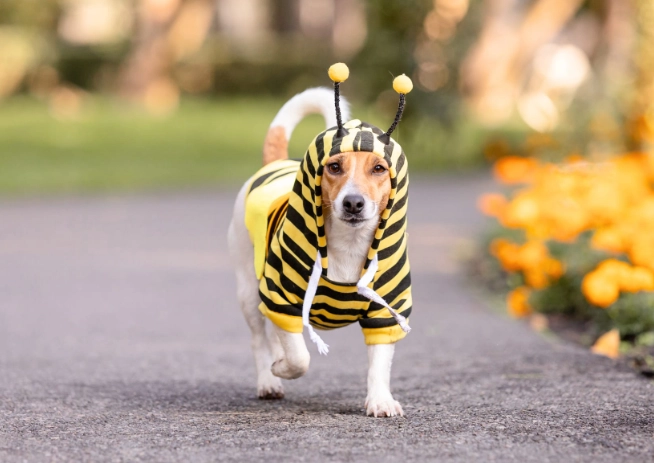
The big question every owner has is simple: How long until my dog is back to normal? The frustratingly accurate answer is: it depends. A dog bee sting recovery time isn't a one-size-fits-all number. It's a spectrum, shaped by where they got stung, how their body reacts, and what you do in those critical first minutes and hours.
I'm not a vet, but after that scare with Murphy and a deep dive into veterinary resources like the Merck Veterinary Manual and guidance from the ASPCA, I've pieced together what you actually need to know. This isn't just medical info; it's a practical, step-by-step roadmap from the sting to the tail-wagging finish line.
First Things First: The Immediate Aftermath (0-60 Minutes)
What you do in the first hour sets the stage for the entire dog bee sting recovery timeline. Your goals are simple: remove the stinger, manage swelling and pain, and monitor like a hawk.
Find the sting site. It's usually on the face, paws, or inside the mouth.
Look for the tiny, black stinger. If it's there, don't use tweezers! Pinching the venom sac can inject more toxin. Instead, scrape it out with the edge of a credit card, your fingernail, or a blunt knife. Get it out as fast as you can.
Baking soda paste? I've tried it. Mixed a little baking soda with water to make a paste and dabbed it on. The theory is it neutralizes the acidic bee venom. Honestly, with Murphy, it was messy and he just licked it off. The cold compress seemed to give him more direct relief. Some folks swear by it, though.
During this phase, keep your dog calm and confined. Restrict activity. You're watching for any sign that this is more than a local reaction.
Breaking Down the Dog Bee Sting Recovery Time: Three Possible Paths
This is the core of it. Your dog will follow one of these three paths. Identifying which one early on is crucial for managing your expectations and actions.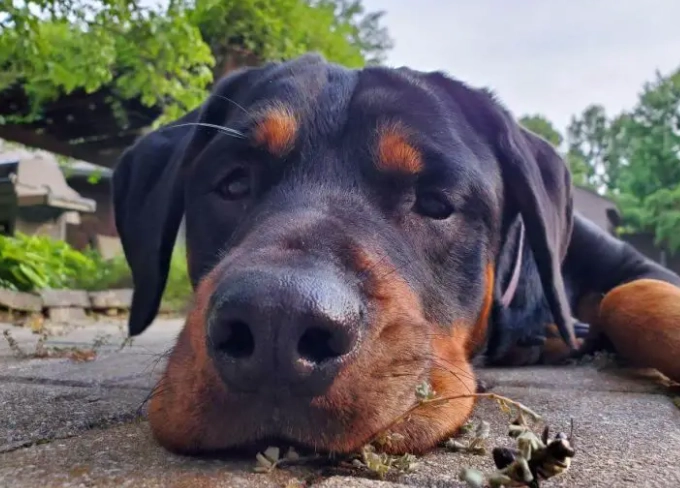
The Mild, Local Reaction (Most Common)
This is what most dogs experience. The reaction is confined to the sting site itself.
- Symptoms: A raised, red, hot bump at the sting site. Some localized swelling (like a swollen lip if stung on the muzzle). Mild pain, itching, and tenderness. Your dog might paw at it or rub their face on the carpet.
- Initial Peak: Swelling and discomfort usually peak within the first 1-2 hours.
- Recovery Timeline: Here's the typical dog bee sting recovery time for a mild case:
- 24-48 hours: Significant improvement. The redness and acute pain subside. The swelling goes down noticeably.
- 3-5 days: The bump or swelling is usually completely gone. There might be a tiny, barely noticeable scab or mark left behind.
My dog Murphy fell into this category. After the initial yelp and a comically puffy lip for about a day, he was mostly just annoyed. By day two, he'd forgotten about it entirely, more focused on where his next treat was coming from. The full dog bee sting recovery time for him was about three days from incident to "what bee?"
The Moderate, Larger Local Reaction
This is a step up. The swelling is more pronounced and spreads beyond the immediate sting point.
- Symptoms: Significant swelling. For example, a sting on the paw might cause the entire foot to swell up. A sting on the face could lead to one side of the muzzle looking puffy and distorted. The area is more painful, and the dog is clearly bothered.
- Initial Peak: Swelling can continue to increase for up to 48 hours, which can be alarming to watch.
- Recovery Timeline: This path extends the dog bee sting recovery time:
- Veterinary Help: A vet visit is a good idea. They may administer an antihistamine (like diphenhydramine/Benadryl—but only at the vet's prescribed dosage) or a mild steroid to reduce the inflammatory response.
- 3-7 days: With or without vet care, the swelling takes longer to recede. You'll see daily improvement after the 48-hour peak, but it's a slower process.
- Up to 10 days: For extensive swelling, it can take a week to ten days for everything to return completely to normal.
The Severe, Systemic Allergic Reaction (Anaphylaxis)
This is the emergency scenario. The body's immune system goes into overdrive, affecting multiple systems.
- Symptoms: Difficulty breathing, wheezing, or excessive drooling. Widespread hives or swelling over the body. Pale gums. Rapid heartbeat. Weakness, collapse, vomiting, or diarrhea. Severe agitation or disorientation.
- Action Required: EMERGENCY VET NOW. Do not wait. This is life-threatening.
- Recovery Timeline: The dog bee sting recovery time here begins in the veterinary clinic.
- Immediate Treatment: Vets will administer emergency drugs like epinephrine, steroids, and IV fluids. Hospitalization for 24-48 hours is common for monitoring.
- Days to Weeks: Initial stabilization is quick with treatment, but full recovery from the physiological stress can take several days. The dog will likely be sent home with medications (steroids, antihistamines) and need a week or more of quiet rest. Future stings will require extreme caution, and your vet may prescribe an epinephrine pen (EpiPen) for you to keep on hand.
It's rare, but it happens fast. Knowing these signs is the most important part of this entire guide.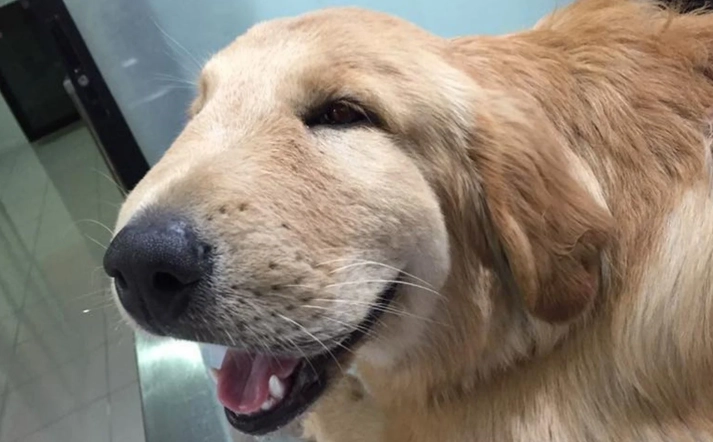
Recovery Time at a Glance: A Quick Reference Table
| Reaction Type | Key Symptoms | Typical Recovery Timeline | Action Needed |
|---|---|---|---|
| Mild (Local) | Red bump, mild swelling at site, some itching/pain. | 1-2 days for major improvement. 3-5 days for full resolution. | Home care (cold compress, monitoring). |
| Moderate (Large Local) | Significant swelling spreading from site, obvious discomfort. | Peaks at 48h. 3-7 days to improve. Up to 10 days for full recovery. | Vet consultation recommended. Possible medication. |
| Severe (Systemic/Anaphylaxis) | Breathing difficulties, hives, vomiting, weakness, collapse. | Emergency treatment required. Hospital stay common. Full recovery over days/weeks with meds. | EMERGENCY VET IMMEDIATELY. |
The Day-by-Day Care Guide to Support Recovery
Okay, so you've identified the reaction type. What do you actually do each day to help your dog's bee sting recovery time shorten? Think of it as supportive care.
Day 1: The Critical Monitoring Phase
Limit activity. Keep them indoors or in a calm space. Continue intermittent cold compresses (10 minutes on, 20 minutes off) for the first several hours to manage swelling. Prevent them from scratching or biting at the area—an Elizabethan collar (the cone of shame) is not cruel, it's necessary if they're fixated on it. Offer fresh water. Appetite might be low due to stress or mouth pain if stung there, but that's usually okay for a day.
Day 2-3: The Improvement Phase
Swelling should be going down in mild/moderate cases. You can switch from ice to a cool, damp cloth for comfort. Keep activities low-key. Short, leashed potty breaks only. This is not the time for dog park adventures or long runs. Watch for any secondary infection signs: if the sting site becomes increasingly red, hot, oozes pus, or smells bad, call your vet. That's a new problem that can derail the dog bee sting recovery time.
Day 4 and Beyond: The Home Stretch
For most standard reactions, your dog should be nearly back to normal. The swelling is gone, energy returns. You can gradually resume normal activities. If you were given medications by a vet, finish the entire course unless instructed otherwise.
Factors That Can Stretch Out the Dog Bee Sting Recovery Time
Why do some dogs bounce back in a day while others take a week? A few things play a role:
- Sting Location: A sting on a padded paw might be less traumatic than one inside the mouth or on the eyelid. Areas with loose skin (like the muzzle) tend to swell more dramatically but also may resolve without much issue. A sting on the tongue or throat is always a high-risk emergency due to potential airway blockage.
- Multiple Stings: More stings mean a larger venom load. This almost guarantees a more severe reaction and a longer, more complicated recovery period. This requires immediate vet attention.
- Your Dog's Size and Health: A tiny Chihuahua getting the same venom dose as a Great Dane is going to feel it more intensely. Older dogs or those with pre-existing health conditions may also have a tougher time.
- Individual Immune Response: This is the big unknown. Some dogs just have more sensitive systems. A first sting might be mild, but a second one could trigger a worse reaction (a phenomenon called sensitization).
Your Top Questions on Dog Bee Sting Recovery, Answered
Let's tackle the stuff you're actually typing into Google at 10 PM when you're worried.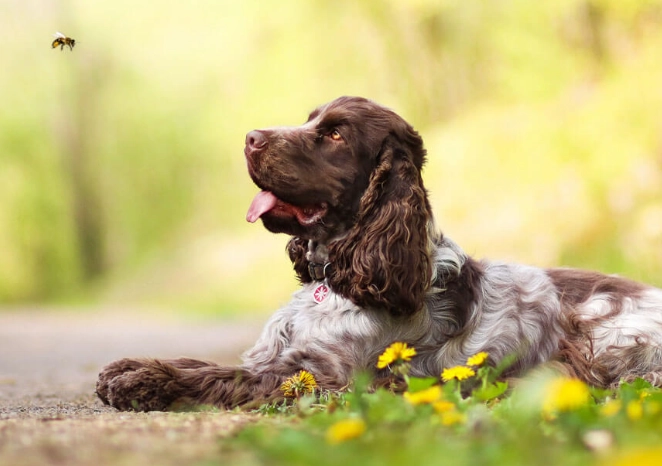
- Any trouble breathing, wheezing, or choking sounds.
- Swelling of the face, neck, or around the eyes that is severe.
- Multiple stings.
- A sting inside the mouth or throat.
- Collapse, extreme weakness, or pale gums.
- Vomiting or diarrhea more than once.
- If the sting site looks infected later on (pus, hot, worsening redness).
- If you're just really, really worried. Trust your gut. A vet visit for peace of mind is never wrong.
Looking Ahead: Prevention and Future Stings
Once you've been through this, you'll want to prevent a repeat. You can't eliminate risk, but you can reduce it.
During bee season, be more vigilant on walks. Keep your dog from sticking their nose into flowering bushes or clover patches. Don't leave sweet drinks or food unattended outside, as it attracts bees. If you have a garden, consider planting bee-attracting flowers away from your dog's primary play area.
If your dog has had a severe reaction, have a serious talk with your vet. They may recommend carrying a pet-specific epinephrine auto-injector and will train you on its use. It's also a good idea to have a pet first aid kit that includes a card with your vet's and emergency vet's numbers, along with your dog's known allergies.
The bottom line on dog bee sting recovery time is this: it's a journey of careful observation and responsive care. Most dogs get through it with just a day or two of discomfort and a funny story for you to tell. For the unlucky few, knowing the signs of trouble and acting fast makes all the difference. Stay calm, be prepared, and give your pup some extra cuddles—they're probably more startled than anything else.
And Murphy? He still chases anything that flies. Some lessons are harder to learn than others, I guess.


Leave a comment