Quick Guide: What's Inside
Let's talk about dewclaws. Those little "thumbs" higher up on your dog's leg, front or back. You might not think about them much until your breeder mentions removal, or your vet points out a torn nail. The decision to remove a dog's dewclaws isn't black and white. It's a procedure wrapped in breed standards, preventative care, and sometimes, necessity after an injury. I've seen the whole spectrum in my years working with dogs—from clean, preventative removals in puppies to emergency surgeries on adult dogs after a nasty snag. This guide will walk you through it all, so you can have an informed chat with your vet, not just a confused nod.
What Are Dewclaws and Why Do Dogs Have Them?
Think of dewclaws as a dog's evolutionary leftovers. For most dogs, especially on the front legs, they're attached by bone and have a function. You'll see dogs use them to grip toys or bones, or to get a little extra traction when turning sharply. Some working breeds, like the Great Pyrenees or Beauceron, even have double dewclaws on the hind legs, which are part of their breed standard and often considered functional.
The real issue starts with the loosely attached or "floppy" dewclaws, especially common on the hind legs. These are often just attached by skin and a bit of soft tissue, dangling there like an accident waiting to happen. They don't touch the ground, so the nail doesn't get worn down naturally, leading to overgrowth and curling that can dig into the skin.
Why Would a Vet Recommend Dewclaw Removal?
Vets don't recommend this surgery on a whim. The conversation usually starts for one of three reasons.
1. Preventative Removal in Puppies
This is the most common scenario. Breeders or new owners opt to have loosely attached rear dewclaws removed when the puppy is between 3 to 5 days old. At this age, the procedure is simple, done with local anesthetic or sometimes just numbing cream, and heals incredibly fast. The American Kennel Club (AKC) acknowledges it's often done for breed standards or to prevent future injury in breeds prone to issues. The logic is clear: remove a potential problem before it ever becomes one.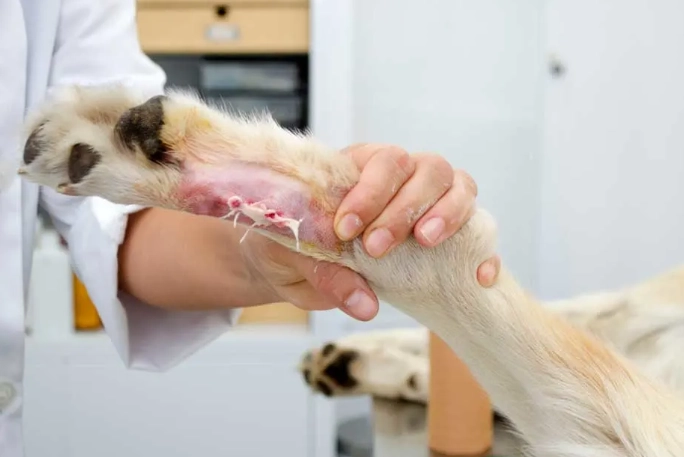
2. Medical Necessity in Adult Dogs
This is where I've seen owners face tough decisions. An adult dog catches its dewclaw on carpet, a crate, or during play. The result can be a partial or complete tear. It's painful, bleeds a lot, and is prone to infection. In these cases, removal isn't elective; it's treatment for an acute injury. Chronic issues like ingrown nails on a dewclaw that never touches the ground also fall into this category.
3. Breed-Specific Considerations
Some breeds are just more prone to dewclaw problems. It's not a hard rule, but you see it more often.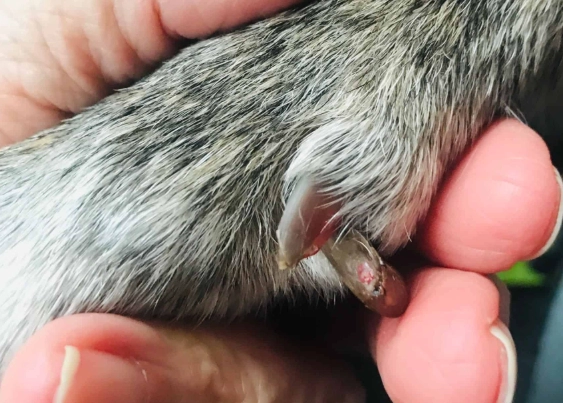
| Breed Group | Common Dewclaw Trait | Typical Reason for Removal Discussion |
|---|---|---|
| Giant Breeds (e.g., St. Bernard, Mastiff) | Often have rear dewclaws | High risk of traumatic injury due to size and weight. |
| Herding & Hunting Breeds (e.g., Border Collie, Labrador) | Active working dogs | Preventative measure due to high-activity lifestyle in rough terrain. |
| Small/Toy Breeds (e.g., Shih Tzu, Pomeranian) | Dewclaws can be fine-boned | Nails easily overgrow and curl, becoming ingrown. |
What Happens During Dewclaw Removal Surgery?
If your puppy is just a few days old, the vet will likely use a local anesthetic or a quick snip with surgical scissors. Healing is rapid. For an older puppy or an adult dog, it's a full surgical procedure under general anesthesia.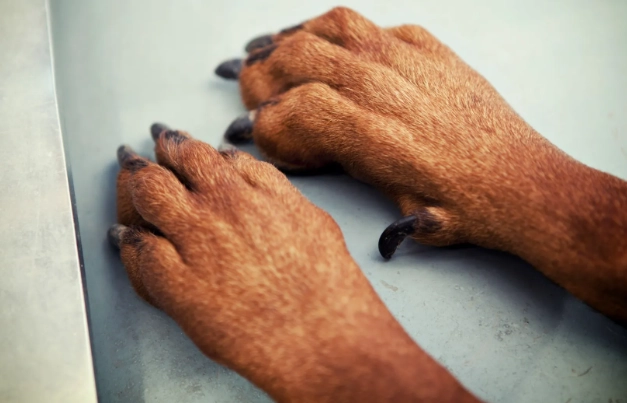
Here’s the step-by-step you can expect:
- Pre-op Exam & Bloodwork: The vet ensures your dog is healthy enough for anesthesia. This is non-negotiable for adult dogs.
- Anesthesia: Your dog is put under general anesthesia. They feel nothing.
- The Incision: The surgeon makes a careful incision around the base of the dewclaw.
- Removal: They dissect down to the bone, separate the associated tendons, and remove the entire digit, including the first bone (P1). This is crucial. A common mistake in less-experienced hands is leaving bone fragments behind, which can lead to painful regrowth or infection later.
- Closure: The wound is closed with absorbable sutures under the skin, sometimes with a layer of skin glue on top.
The whole surgery for one dewclaw might take 30-45 minutes. If doing multiple, it takes longer.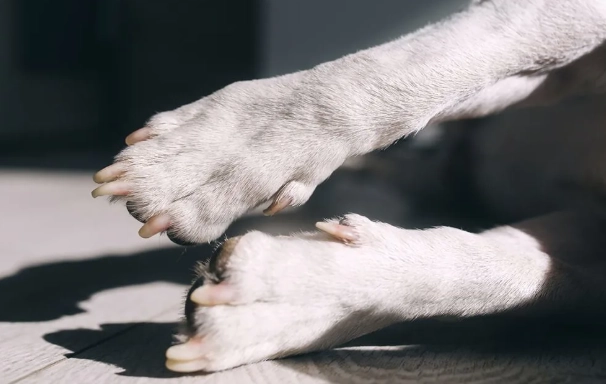
The Recovery Timeline: Day by Day Expectations
Managing recovery is where most owner anxiety lives. Let's break it down realistically.
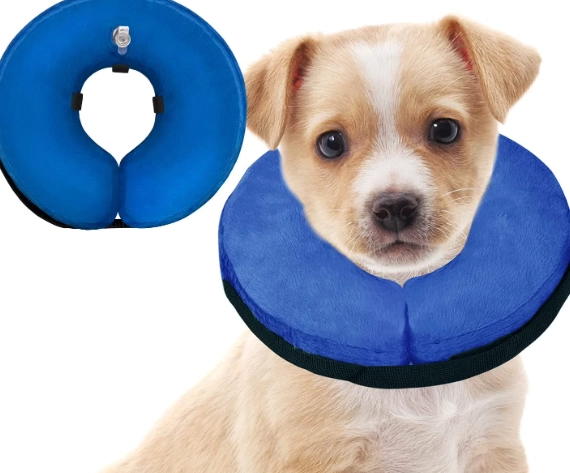
Days 1-3 (The Rest Phase): Your dog will be groggy from anesthesia. Keep them confined to a crate or small room. The leg will likely be bandaged. Your main jobs: prevent licking (use the cone of shame, no excuses) and watch the bandage for excessive bleeding or swelling. A little seepage is normal. A lot is not.
Days 4-10 (The Healing Phase): The vet will often remove the bandage around day 3-5. You'll see the incision—it will look red and maybe a bit puffy. That's normal healing. Continue strict rest. Short, leashed bathroom breaks only. No running, jumping, or playing. This is the hardest part. Dogs feel better and want to act like it, but the tissue underneath is still mending.
Days 10-14 (The Follow-up): Sutures are often dissolvable, but a vet check is wise. They'll confirm it's healing without infection. You can usually start very slowly reintroducing normal activity after two weeks, but full healing internally takes about a month.
Pain management is key. Your vet will send home medications—usually an NSAID for inflammation/pain and possibly an antibiotic. Give them as directed, even if your dog seems fine.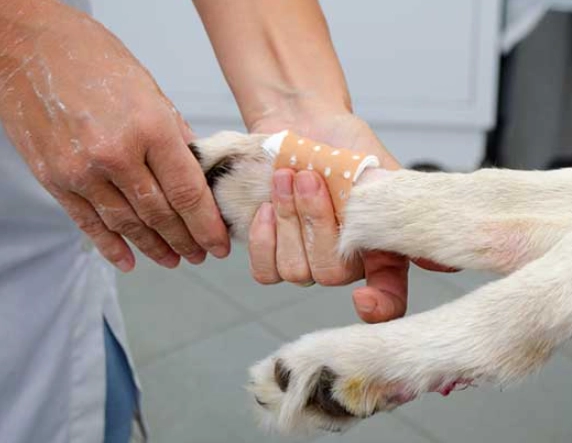
How Much Does Dewclaw Removal Cost?
This varies wildly, and it's a major factor for owners. Don't just shop for the cheapest price—you're paying for the vet's skill and the safety of anesthesia.
- Newborn Puppy Removal (3-5 days old): $15 to $40 per puppy, per dewclaw. Often done by the breeder's vet.
- Elective Removal with Spay/Neuter (young puppy): Adding it to a planned surgery can cost an extra $100 to $300 total. This is often the most cost-effective and least stressful time.
- Standalone Surgery (adult dog): $300 to $800+ per leg. This includes pre-op bloodwork, anesthesia, surgery, medications, and the follow-up visit. Geographic location and clinic type (general vs. specialty) heavily influence this.
- Emergency Removal (due to injury): Costs align with adult dog surgery but can be higher if it's after-hours.
Pet insurance may cover the cost if the removal is deemed medically necessary (like for a tear), but rarely for purely elective procedures. Check your policy.
Your Top Questions Answered
My dog is a year old and has floppy rear dewclaws. Is it too late to have them removed?
It's not too late, but the calculus changes. The surgery is more involved, recovery is longer, and the cost is higher. The decision shifts from "preventative" to "is the current risk worth the surgery?" If the nails constantly overgrow, get caught, or your dog is starting a high-activity sport like agility, removal might still be the right call. Have a blunt talk with your vet about your dog's specific lifestyle.
How can I manage my dog's pain after surgery without just relying on pills?
Medication is the cornerstone, but environment is your best tool. Create a comfortable, confined rest area. Use ice packs wrapped in a towel (10 minutes on, 20 off) on the surgery site for the first 48 hours to reduce swelling. Mental stimulation is crucial—food puzzles, lick mats, gentle training exercises that don't involve movement. A bored dog is a dog that wants to run, which leads to pain and complications.
Are there any breeds where dewclaw removal is strongly discouraged or considered unethical?
Yes. For breeds where the dewclaw is firmly attached and functional, removal is controversial. This includes many livestock guardian breeds (like the Pyrenees) where the double dewclaw provides stability on rough terrain. Some vets specializing in canine sports medicine also argue against removing firmly attached front dewclaws in active dogs, as they provide wrist stability. The debate is less about ethics and more about functional anatomy. Always research your specific breed's traits.
What specific questions should I ask my vet during the consultation?
Move beyond "should I do this?" Ask: "How is my dog's dewclaw attached—by bone or just skin?" "What is your specific surgical protocol? Do you remove the entire first phalanx (P1 bone)?" "What is your plan for pain management during and after?" "What are the most common complications you see, and how would we handle them?" "Can you show me a picture of a healed site from a similar procedure?" Their answers will tell you more than a simple yes or no.
My dog's dewclaw was removed, but I feel a small, hard bump near the scar. Is this normal?
Keep an eye on it. A small, firm lump under the scar tissue can be normal healing (a suture reaction or scar tissue). However, if it grows, becomes painful, warm, or starts oozing, it could be a bone fragment left behind (a sequestrum) or an infection. Point it out at your next vet visit, or schedule one if you're concerned. It's a known, though not super common, complication of incomplete removal.
The bottom line? Dewclaw removal isn't a one-size-fits-all recommendation. For a newborn puppy with dangling hind dewclaws, it's a straightforward preventative step. For an adult dog with firmly attached, functional front dewclaws, it's probably unnecessary and invasive. Your dog's breed, age, lifestyle, and the specific anatomy of its dewclaws all matter. Arm yourself with this information, have that detailed conversation with a vet you trust, and you'll make the right choice for your four-legged friend.



Leave a comment