Quick Navigation
- The First Hour: Immediate Action and Assessment
- The Typical Swelling Timeline: What "Normal" Looks Like
- What You Can Do at Home: Safe and Effective Care
- When to Absolutely Call the Vet (No Questions Asked)
- Your Dog's Future with Bees: Will It Happen Again?
- Answering Your Lingering Questions
- Wrapping It Up: Your Action Plan
It happens in a flash. One minute your dog is happily sniffing around the garden, the next there’s a yelp, a frantic paw at the snout, and before you know it, their face is starting to puff up like a little balloon. That panicked search you just did for "how long will a dog's face stay swollen after a bee sting?" is totally normal. I've been there myself with my old Labrador, Baxter. Let's talk through exactly what to expect, step by step, so you can stop worrying and start helping your pup feel better.
The short, direct answer most vets will give you is that for a typical, mild reaction, the worst of the facial swelling from a bee sting usually peaks within a few hours and can start to go down within 12 to 24 hours. Often, it's mostly gone by the 48-hour mark. But honestly, that basic timeline doesn't tell the whole story. It doesn't help you figure out if what you're seeing is "typical" or something scary. It doesn't tell you what to do right now. And it certainly doesn't help you soothe a confused, uncomfortable dog.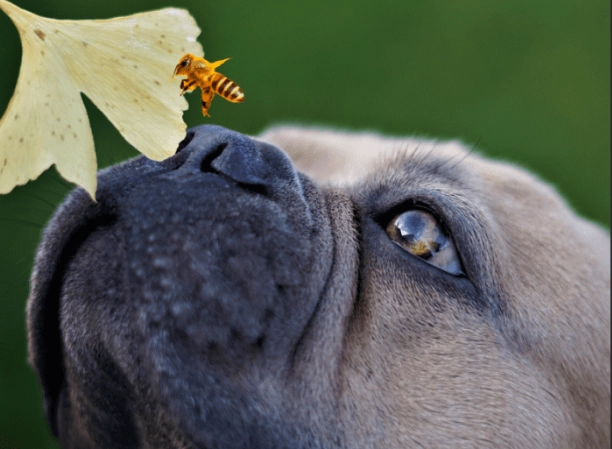
The First Hour: Immediate Action and Assessment
The first 60 minutes are critical for assessment. Your main jobs are to stay calm, prevent more stings, and figure out how serious this is.
First, get your dog to a safe, indoor spot away from where the bee or wasp might be. Keep them as calm and still as possible—excitement can make blood flow faster and potentially spread venom. If you can safely see the stinger (it looks like a tiny black splinter), try to scrape it out with the edge of a credit card. Don't use tweezers! Pinching the venom sac can inject more venom, according to advice from the ASPCA Animal Poison Control Center.
Now, look closely. Is the swelling confined to just the area around the sting—say, a puffy lip or one eyelid? Or is it spreading rapidly across the muzzle and face? Localized swelling is a good sign. Rapid, spreading swelling is your first red flag.
- Difficulty breathing, wheezing, or excessive drooling.
- Swelling that spreads to the neck or around the eyes.
- Vomiting, diarrhea, or sudden weakness/collapse.
- Extreme agitation or, conversely, severe lethargy.
These are signs of anaphylaxis, a life-threatening allergic reaction. The timeline for swelling becomes irrelevant here—speed to the vet is everything.
The Typical Swelling Timeline: What "Normal" Looks Like
Okay, so your dog is breathing fine, just sporting a lopsided, puffy face. Let's map out a standard course. This is the direct answer to your core question, how long will a dog's face stay swollen after a bee sting in an uncomplicated case.
- 0-2 Hours: Swelling develops and increases. This is when it's at its most alarming visually. The area may feel firm and warm to the touch.
- 2-6 Hours: Swelling usually peaks. It stabilizes and doesn't get noticeably bigger.
- 6-24 Hours: The gradual decline begins. You might start to see the tightness lessen. The swelling becomes softer.
- 24-48 Hours: Significant reduction. For many dogs, the swelling is mostly gone, maybe leaving a little residual puffiness.
- 48-72 Hours: Swelling should be completely or nearly resolved.
Think of it like a bell curve. Up, peak, down. The entire process for a simple reaction is often a two-to-three-day affair. But what can mess with this timeline?
Factors That Can Prolong the Swelling
It's frustrating when the swelling seems to linger past the 48-hour mark. It doesn't always mean something is terribly wrong, but it's worth understanding why. Here are the common culprits:
- Multiple Stings: More venom means a bigger inflammatory response and a longer recovery. Simple math.
- Your Dog's Immune Response: Some dogs just have more vigorous immune systems that mount a stronger, longer defense against the venom. It's like their body is over-zealous.
- Secondary Infection: If your dog has been scratching or rubbing the swollen area raw (maybe on the carpet), bacteria can get in. Infected swelling will be red, hot, painful, and may produce pus. This won't go down on its own and needs vet-prescribed antibiotics.
- The Type of Insect: Wasps can sting multiple times, and some people (and likely dogs) find their venom more irritating. Yellowjacket stings can also cause pronounced reactions.
This can help you gauge whether you're dealing with a standard reaction or one that needs a vet's eyes.
| Feature | Mild, Normal Swelling | Concerning or Infected Swelling |
|---|---|---|
| Duration | Starts improving within 24 hrs, gone in 2-3 days. | Persists or worsens after 48 hours. |
| Appearance | General puffiness, skin color may be slightly pink. | Skin is bright red, hot, may have scabs, sores, or discharge. |
| Pain Level | Mild tenderness; dog may let you touch it. | Clearly painful; dog flinches, whines, or guards the area. |
| Dog's Behavior | Slightly bothered but mostly normal (eating, drinking). | Lethargic, off food, constantly pawing at face. |
| Spread | Remains localized to sting site. | Continues to spread outward over time. |
What You Can Do at Home: Safe and Effective Care
Assuming it's a mild case, you're not powerless. A few simple actions can make your dog more comfortable and might even help shorten that swelling timeline.
- Cold Compress: This is your best tool. Wrap an ice pack or a bag of frozen peas in a thin towel. Hold it gently against the swollen area for 5-10 minutes at a time, several times a day for the first 24 hours. The cold constricts blood vessels, reduces inflammation, and numbs the pain. Baxter loved this part—he thought it was a weird game.
- Prevent Scratching: Easier said than done. An Elizabethan collar (the "cone of shame") is the most reliable method if they won't leave it alone. It's not cruel; it prevents them from turning a simple sting into an infected wound.
- Offer Water: Make sure they stay hydrated. Swelling can sometimes make drinking awkward, so try offering water from your hand or a clean bowl.
Let's be honest about some "home remedies" you'll read about. Baking soda paste? It's messy and dogs usually lick it off immediately. Vinegar? Stings on open skin and is useless for bee stings (it's for wasp stings, theoretically). Calendula cream? Maybe soothing, but again, expect it to be licked off. I find the cold compress and vet-approved Benadryl (if needed) to be the most practical, effective combo.
When to Absolutely Call the Vet (No Questions Asked)
Even if you're past the immediate anaphylaxis danger zone, certain signs mean the swelling isn't following a benign path. Don't play the wait-and-see game here.
- The swelling is getting worse after 24 hours, not better.
- The swelling has lasted for more than 3 full days with no real improvement.
- You notice signs of infection (pus, extreme redness, hot skin, foul smell).
- Your dog stops eating or drinking normally for more than a day.
- The swelling is causing functional problems—like if a swollen eyelid is forcing the eye shut, or muzzle swelling is making it hard to pick up food.
- You're just feeling uneasy. Seriously, trust your gut. You know your dog better than any internet article. A vet visit for peace of mind is always valid.
Your vet might prescribe a short course of anti-inflammatory steroids (like prednisone) to aggressively knock down a severe but non-allergic swelling. They are incredibly effective for this specific purpose.
Your Dog's Future with Bees: Will It Happen Again?
One sting doesn't necessarily mean your dog is now allergic. In fact, many dogs have a similar or slightly milder reaction the next time. However, with each sting, there's a small chance the immune system could "learn" to overreact, leading to a more severe allergy in the future.
It's smart to be more vigilant. Keep an eye on them during peak bee seasons (late summer/early fall). Train a solid "leave it" command for buzzing insects. Be extra cautious with outdoor food and drinks that attract them.
Answering Your Lingering Questions
You probably still have a few specific worries. Let's tackle some common ones.
Wrapping It Up: Your Action Plan
So, to finally nail down the answer to how long will a dog's face stay swollen after a bee sting: plan for a 2-3 day process for a standard reaction. Use the first hour to rule out a life-threatening emergency. Use cold compresses and vet guidance for comfort. Watch the timeline like a hawk—if things deviate from the "peak and decline" pattern, or if your dog's behavior changes for the worse, pick up the phone.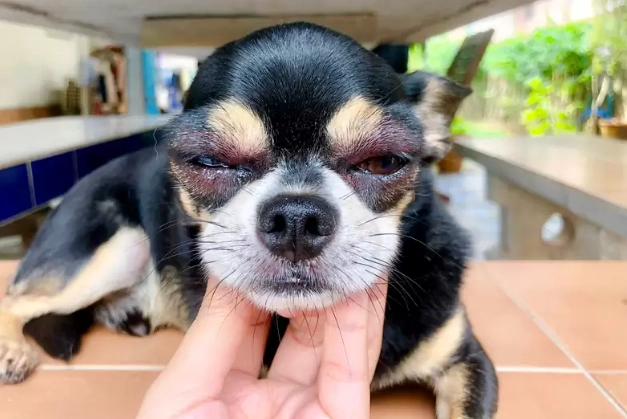
Remember, most bee stings are a painful, puffy, but ultimately minor nuisance for dogs. Your job is to be the calm, informed first responder who can tell the difference between a nuisance and an emergency. Now you have the map. You've got this.
For more detailed information on pet first aid for all kinds of situations, including poisoning and injuries, the American Kennel Club's first aid guide is an excellent resource to bookmark.



Leave a comment