Your Quick Guide to Cat Weight Health
- Why Bother with a Cat Weight Chart Anyway?
- Decoding the Cat Body Weight Chart: It's More Than Pounds and Kilos
- The Body Condition Score (BCS): Your Hands-On Guide
- The Life Stage Factor: Kitten to Senior
- How to Actually Weigh Your Cat (Without the Drama)
- Red Flags: When the Chart Tells You Something's Wrong
- Creating a Plan: From Chart to Action
- Answering Your Burning Questions (FAQ)
Let's be honest. Most of us just pick our cats up and think, "Yep, feels about right." Or we glance at them lounging on the couch and wonder, "Is he getting a bit... round?" I've been there. For years, I judged my cat Mittens' health by how easily I could feel her ribs (vaguely) and how much she begged for food (constantly). It wasn't until a routine vet visit, where the vet pulled out a cat body weight chart and a body condition score guide, that I realized I was completely in the dark. That single sheet of paper was a revelation.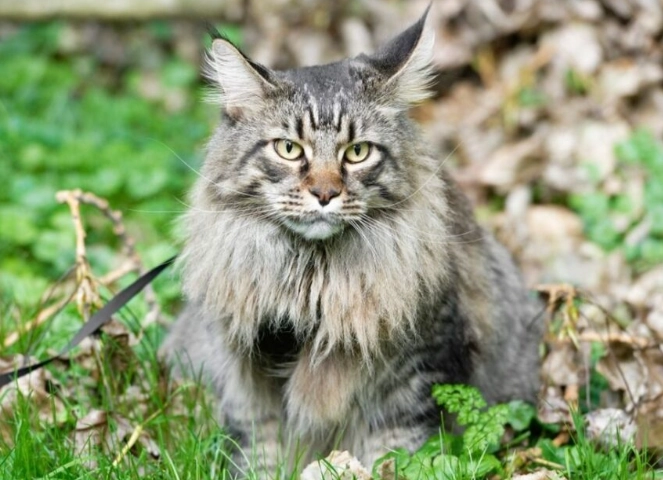
It showed me that a healthy weight isn't one magic number for all cats. A sleek Siamese and a fluffy Maine Coon at the same weight would tell two wildly different health stories. Relying on the scale alone is like judging a book by its weight—you miss the entire story inside. This guide is what I wish I'd had back then. We're going to move beyond guesswork and dive deep into what a feline weight chart really means, how to use it, and why it's the most important tool you're not using consistently.
Think of a cat body weight chart not as a report card, but as a compass. It doesn't judge where you are; it shows you the direction to go for your cat's long-term health.
Why Bother with a Cat Weight Chart Anyway?
You might think checking your cat's weight is just for avoiding a chonky pet. It's so much more than that. Weight is a primary vital sign, a window into their overall well-being. Sudden weight loss can be the first—and sometimes only—noticeable sign of serious issues like hyperthyroidism, kidney disease, or diabetes. On the flip side, gradual, creeping weight gain sets the stage for arthritis, urinary problems, and a shorter lifespan.
The American Association of Feline Practitioners (AAFP) consistently highlights weight management as a cornerstone of preventative care. They stress that obesity is a disease, not a cosmetic issue. Using a cat body weight chart proactively helps you catch these shifts early, often before your cat even acts sick. It turns you from a passive owner into an active health monitor.
I learned this the hard way with a friend's cat. The cat seemed fine, just a little less playful. No one noticed the slight weight drop over six months. By the time they did, tests revealed significant kidney values. The vet said catching that weight change earlier could have made management much easier. That stuck with me.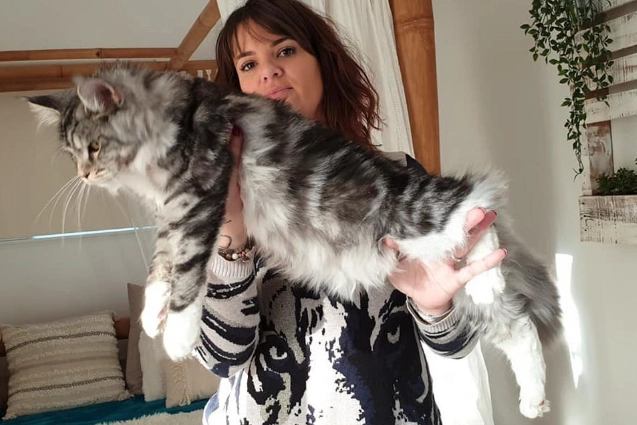
Decoding the Cat Body Weight Chart: It's More Than Pounds and Kilos
Okay, so you're convinced. You look up a cat weight chart by age or breed and see a range of numbers. Now what? The biggest mistake is latching onto one number. A chart gives you a healthy range because cats, like people, have different frames. The real magic happens when you combine the scale with a hands-on assessment.
The Body Condition Score (BCS): Your Hands-On Guide
This is the secret sauce. The BCS is a 1-to-9 or 1-to-5 scale that vets use to assess body fat. You can do it at home. It involves looking at your cat from above and from the side, and feeling for key areas. I find the 9-point scale from the World Small Animal Veterinary Association (WSAVA) to be incredibly detailed and useful. Here’s a simplified breakdown of what you're feeling for:
- Ribs: Can you easily feel them with light pressure, like feeling the bones on the back of your hand? They shouldn't be buried under a layer of fat (obese) nor visible from a distance (underweight).
- Waist: Look from above. Is there a visible indentation behind the ribs? A slight hourglass shape is ideal. A straight line or bulging sides is a red flag.
- Abdominal Tuck: Look from the side. Does the belly go up from the ribs to the hips, or does it sag down in a pouch? A slight tuck is good. A sagging pouch (not to be confused with the primordial pouch in some cats) often means excess fat.
- Spine and Hip Bones: Can you feel the tops of the spine and hip bones without pressing hard? They should be smooth, not sharp or protruding.
A cat with an ideal BCS (usually 4-5 on a 9-point scale) will have a little fat cover but a defined waist and easily palpable ribs. The number on the scale for that perfect BCS is their ideal weight. This is why two 12-pound cats can be in vastly different health states.
Breed and Frame Size: The Great Adjuster
This is where generic charts can fail. A cat body weight chart must account for breed. You can't expect a dense-boned British Shorthair to weigh the same as a fine-boned Oriental Shorthair. The chart below gives a rough idea, but remember, individual variation is huge. A vet can best determine your cat's "frame size."
| Breed Type | Typical Adult Weight Range (Female) | Typical Adult Weight Range (Male) | Notes on Build |
|---|---|---|---|
| Small / Light Frame (e.g., Siamese, Cornish Rex) | 5 - 8 lbs (2.3 - 3.6 kg) | 7 - 10 lbs (3.2 - 4.5 kg) | Slender, fine bones, long legs. Often appear lighter than they feel. |
| Medium / Average Frame (e.g., Domestic Shorthair, American Shorthair) | 8 - 12 lbs (3.6 - 5.4 kg) | 10 - 15 lbs (4.5 - 6.8 kg) | The most common build. A good balance of muscle and bone. |
| Large / Heavy Frame (e.g., Maine Coon, Norwegian Forest Cat) | 10 - 15 lbs (4.5 - 6.8 kg) | 13 - 18+ lbs (5.9 - 8.2+ kg) | Substantial bone structure, long body, muscular. Can be healthy at weights that would be obese for smaller breeds. |
See what I mean? If you have a large-framed mixed breed cat, seeing 15 pounds on a generic chart might trigger panic, but for his build, it could be perfectly ideal. Always cross-reference weight with the BCS.
The Life Stage Factor: Kitten to Senior
A cat's weight needs change dramatically over their lifetime. A kitten weight chart looks completely different from a senior chart.
Kittens: Rapid Growth Phase
Kittens should gain about 0.5 to 1 ounce per day (14-28 grams). They're little weight-gain machines! Weekly weighing is crucial here. Steady growth along a curve is the goal. A plateau or drop is an urgent vet visit. Resources like the Cornell Feline Health Center provide excellent guidelines on developmental stages. You're not just tracking weight; you're ensuring they're on track for a healthy adulthood.
Adults: The Maintenance Game
From about 1 to 7 years old, weight should be stable, fluctuating only slightly (less than 10%). This is the time to establish your baseline using the cat body weight chart and BCS. Weigh monthly if you can. I keep a simple note on my phone: "Mittens - Jan 15: 10.2 lbs, BCS 5/9." It takes seconds and creates a valuable history.
Seniors: The Delicate Balance
After age 7-10, muscles can naturally lose mass. The goal shifts from strict maintenance to preventing unintended loss or gain. A slight leaner look might be normal, but a sharp decline is not. Conversely, decreased activity can lead to weight creep. Monitoring becomes even more critical. Many older cats develop conditions that affect appetite and metabolism.
The scale tells the story, but you have to listen to it consistently.
How to Actually Weigh Your Cat (Without the Drama)
This is the practical hurdle. Most cats aren't fans of the scale. Here are a few methods I've tried, from best to worst:
- The "Weigh Yourself, Then Weigh with Cat" Method: The classic. It works if your scale is precise and your cat clings to you calmly. Not great for wrigglers. Accuracy can be iffy.
- The Pet Carrier Tare Method: My personal favorite. Weigh the empty carrier. Note the weight. Put your cat in the carrier and weigh again. Subtract. This works because most cats freeze in the carrier, giving you a stable reading.
- Baby Scales or Pet Scales: The gold standard if you can invest. They have a larger, stable platform. Some even have enticing mats.
- The Bribe & Speed Method: Place the scale in a familiar spot. Use a high-value treat (churu paste works wonders) to lure them on. Quickly note the weight as they lick. It's not perfect, but it's data.
Red Flags: When the Chart Tells You Something's Wrong
So you've weighed your cat, done the BCS, and compared it to a healthy cat weight chart. What if things don't line up?
Signs Your Cat is Overweight or Obese (BCS 6-9/9)
- No visible waist from above; back appears broad or oval-shaped.
- Cannot feel ribs at all without firm pressure.
- Abdominal sagging with a thick, fatty pad.
- Difficulty grooming, especially the lower back and hindquarters.
- Lethargy, reluctance to jump or play.
- Panting easily after minimal activity.
If this describes your cat, don't feel guilty—feel empowered to act. Sudden dieting is dangerous for cats. They can develop hepatic lipidosis (a serious liver disease). You need a vet-approved weight loss plan that reduces calories slowly while maintaining nutrient balance.
Signs Your Cat is Underweight (BCS 1-3/9)
- Ribs, spine, and hip bones are highly visible or easily felt with sharp edges.
- Severe abdominal tuck; waist is dramatically pronounced.
- Loss of muscle mass; the tops of the back may look bony or sunken.
- Dull, dry, or matted coat.
Unintended weight loss is often more medically urgent than weight gain.
If your cat is underweight, the first step is always a vet visit to rule out underlying disease. Increasing food alone won't solve problems like hyperthyroidism, diabetes, or intestinal disease.
I made the mistake of just feeding my senior cat more when he lost weight. Turns out, he had an overactive thyroid. The food wasn't the solution; medication was. The chart told me "something's wrong," but I tried to write the answer myself instead of asking the vet.
Creating a Plan: From Chart to Action
Let's say your cat is a BCS 7 (overweight). The chart has identified the problem. Now what?
Step 1: Vet Consultation. This is non-negotiable. Your vet will confirm the BCS, rule out medical causes (like hypothyroidism, which is rare but possible in cats), and calculate your cat's Resting Energy Requirement (RER) and a safe calorie target for weight loss. They might use tools from the American Animal Hospital Association (AAHA), which has detailed nutritional guidelines.
Step 2: Accurate Measuring. Stop free-feeding. Use a proper measuring cup or, better yet, a kitchen scale for absolute accuracy. "One scoop" can vary wildly. The calories on the bag are your bible.
Step 3: The Right Food. Sometimes a switch to a higher-protein, moderate-fat, high-fiber "weight management" diet helps with satiety. Your vet can recommend prescription or over-the-counter options. I'm not a fan of most "light" grocery store brands; they often just replace protein with filler carbs, which isn't helpful.
Step 4: Incremental Increase in Activity. Don't force a sedentary cat to run a marathon. Start with 5-minute play sessions twice a day. Laser pointers (let them "catch" a treat at the end), feather wands, and puzzle feeders are great. The goal is to build muscle, which burns more calories at rest.
Step 5: Monitor and Adjust. Weigh every 2-4 weeks. The goal is a loss of 0.5-2% of body weight per week. Too fast is dangerous. Too slow means the plan needs tweaking. This is where your home cat body weight chart log becomes your roadmap.
Answering Your Burning Questions (FAQ)
Start today. Dig out the carrier, step on the scale, and get that baseline. Make a note. Feel for their ribs. You might be surprised. And that surprise—whether it's relief or a call to action—is the first step toward a longer, healthier, and more vibrant life for your feline friend. The chart is just paper. The care you put into using it is everything.






Leave a comment