In This Guide
- Why Putting Peroxide on Dogs Ears Is a Bad Idea (The Science Bit, Simplified)
- What Should You Use Instead? Vet-Recommended Ear Cleaners
- The Right Way to Clean Your Dog's Ears: A Step-by-Step Guide
- When It's More Than Just Dirt: Recognizing Ear Infections
- Your Questions, Answered (The FAQ Section)
- Wrapping It Up: The Safe Path Forward for Your Dog's Ears
Let's cut right to the chase. You're here because you typed "can you put peroxide on dogs ears" into Google. Maybe your pup is shaking his head, scratching like crazy, or there's a funky smell coming from one ear. You remember that brown bottle of hydrogen peroxide in the medicine cabinet — the one you use on your own scrapes — and you wonder if it could help your furry friend. It seems like a logical, cheap, and readily available fix, right?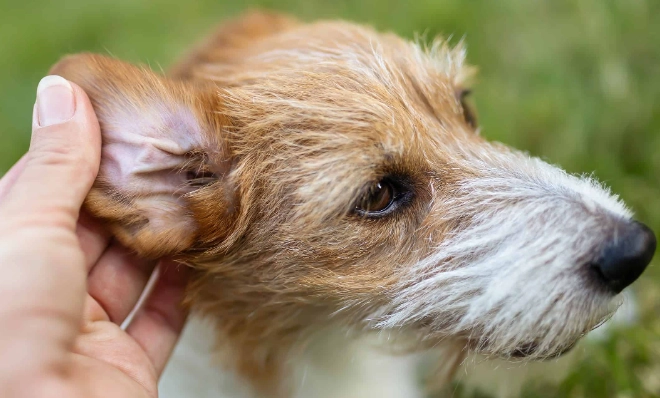
I get it. Totally. When my own dog, a energetic Labrador named Buddy, first started pawing at his ear, my first instinct was to reach for something familiar from my own first-aid kit. The internet was full of conflicting advice, some saying it's fine, others screaming it's a disaster. It's confusing and, frankly, a bit scary when your dog is uncomfortable.
So, can you put peroxide on dogs ears? The short, vet-recommended answer is a resounding no. You really shouldn't. And in most common at-home situations, it's actively a bad idea. But that's just the beginning of the conversation. The real question isn't just about permission; it's about understanding why it's discouraged and, more importantly, what you should do instead to safely and effectively care for your dog's ears.
This guide is going to walk you through everything. We'll break down the science of why peroxide and dog ears are a poor match, show you the vet-approved alternatives that actually work, and give you a clear, step-by-step plan for dealing with everything from routine cleaning to spotting signs of a real infection. My goal is to make you feel confident and informed, so you can make the best choices for your dog's health without second-guessing.
Why Putting Peroxide on Dogs Ears Is a Bad Idea (The Science Bit, Simplified)
Okay, let's get into the nitty-gritty. Why is the answer to "can you put peroxide on dogs ears" usually a no? It's not just vets being overly cautious. There are specific, biological reasons.
Hydrogen peroxide works by creating a foaming action that helps lift debris and kill some bacteria through oxidation. That sounds useful, but in the confined space of an ear canal, this action is problematic.
It Damages Healthy Tissue
The ear canal is lined with delicate epithelial cells. Peroxide is a corrosive agent. Even the standard 3% solution from the drugstore can cause chemical burns or irritation to this sensitive skin. Think about how it stings on a small cut. Now imagine that sensation on a much larger, inflamed surface area deep inside a dark ear. Not pleasant for your pup.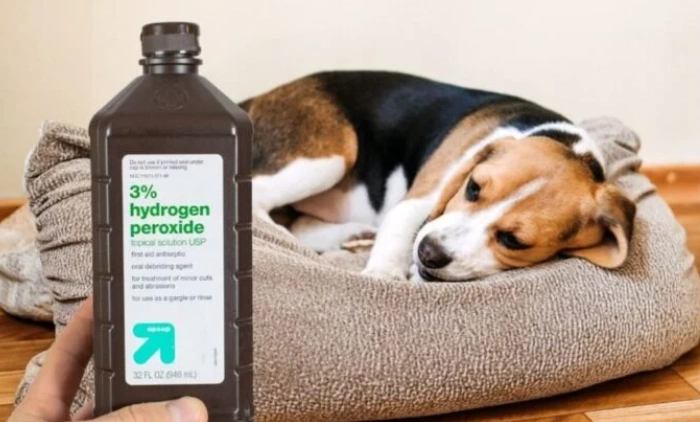
It Can Make an Existing Infection Worse
This is a big one. If your dog has an ear infection (otitis externa), the ear canal is already inflamed, swollen, and often has a broken skin barrier. Pouring peroxide into this damaged environment can push debris and bacteria deeper into the ear, potentially toward the eardrum. Furthermore, the foaming action creates moisture. Bacteria and yeast (common culprits in dog ear infections) thrive in warm, moist, dark places. You might be accidentally creating a five-star resort for the very microbes you're trying to evict.
I learned this the hard way with a foster dog who had a mild yeast issue. I used a "gentle" homemade solution with a tiny bit of peroxide. The shaking and scratching got worse within hours. The vet explained I'd essentially irritated the whole area and fed the yeast. Lesson painfully learned.
It's Painful and Can Cause Vertigo
The fizzing and bubbling inside the ear isn't just unsettling for a dog; it can be genuinely painful and disorienting. The ear is crucial for balance. Introducing a violently fizzing liquid can disrupt the vestibular system, leading to dizziness, nausea, and increased anxiety. Your dog might start stumbling or holding his head tilted. It's a terrifying experience for them.
So, while the intention behind asking "can you put peroxide on dogs ears" is good—you want to help—the action itself is counterproductive. It's a classic case of the cure being worse than the disease.
What Should You Use Instead? Vet-Recommended Ear Cleaners
Now for the good stuff. If peroxide is off the table, what's on it? The market is full of ear cleaners, but they're not all created equal. A good canine ear cleaner has a few key jobs: break down wax and debris, evaporate moisture, and maintain a healthy pH balance in the ear canal. Some are also antimicrobial.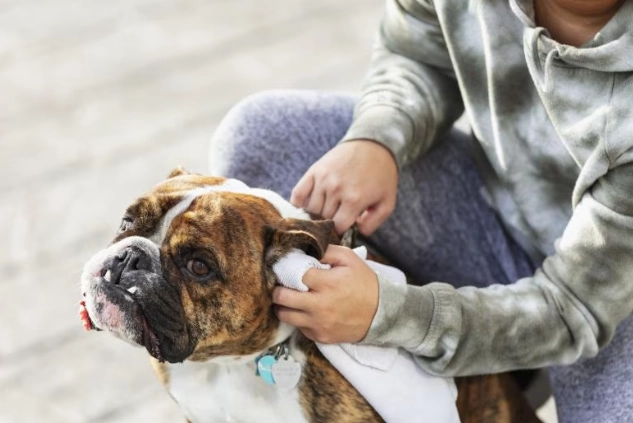
Here’s a breakdown of common types and ingredients you'll find in vet-recommended products:
| Ingredient Type | How It Helps | Good For... | Example Ingredients |
|---|---|---|---|
| Drying Agents | Help evaporate moisture left after swimming or bathing, creating an environment less friendly to yeast/bacteria. | Routine maintenance for dogs who swim or have floppy ears. | Isopropyl alcohol, salicylic acid (in safe, dilute forms). |
| Cerumenolytic Agents | Break down and dissolve ear wax (cerumen), making it easier to remove. | Dogs that produce a lot of wax. | Propylene glycol, squalene, organic acids. |
| Antimicrobial/Anti-yeast | Help manage mild microbial overgrowth. Often found in "medicated" cleansers. | Dogs prone to mild, recurrent issues (use under vet guidance). | Chlorhexidine, ketoconazole, tris-EDTA, acetic acid (vinegar derivative). |
| Soothing Agents | Calm inflammation and irritated skin in the ear canal. | Ears that are red or itchy from cleaning or mild allergy. | Aloe vera, hydrocortisone (in medicated versions), lanolin. |
My personal go-to for Buddy's routine maintenance is a simple, over-the-counter cleaner with a drying agent and a gentle cerumenolytic. It has no fragrance and feels mild. For anything more than basic cleaning, like if I suspect the start of an issue, I immediately switch to a product my vet recommended that has a bit of anti-yeast action. The key is not to use a medicated cleaner willy-nilly, as it can disrupt the normal ear flora.
Speaking of vets, organizations like the American Animal Hospital Association (AAHA) provide guidelines for pet care that most veterinarians follow. They emphasize the importance of using species-appropriate, clinically proven products rather than human medications or harsh home remedies. It's a resource I trust.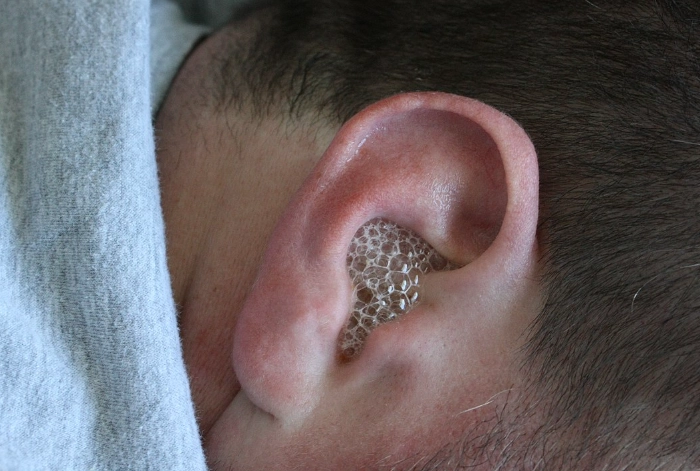
The Right Way to Clean Your Dog's Ears: A Step-by-Step Guide
Knowing what to use is half the battle. The other half is knowing how to use it. A botched cleaning job can be as bad as using the wrong solution. Here’s my tried-and-true method, approved by my vet and refined through many (sometimes messy) sessions with Buddy.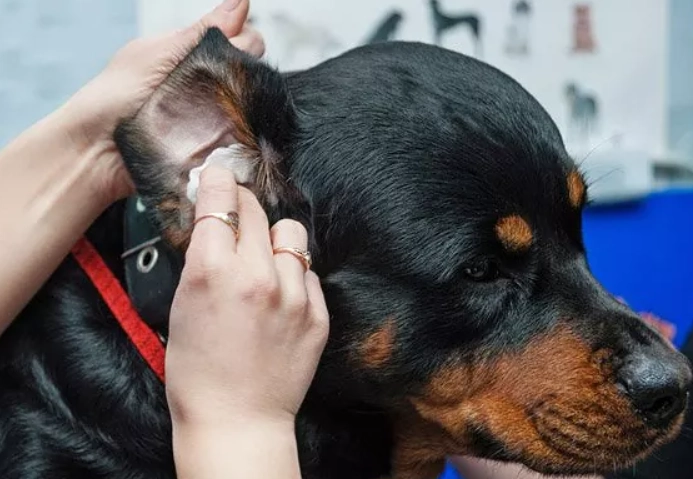
What You'll Need:
- A vet-recommended ear cleaning solution.
- Cotton balls or gauze squares. (Never use cotton swabs/Q-tips deep in the ear canal! They pack material down.)
- Treats. Lots of treats. This is non-negotiable for positive association.
- An old towel for your lap and the potential shake-off.
The Process:
First, get your dog comfortable. Do this on the floor or a stable surface, not a slippery table. Give some pets and a treat before you even show the bottle.
Hold the ear flap (pinna) upright. This straightens the L-shaped canal a bit. Gently but firmly hold it so your dog can't shake mid-process.
Take the cleaner and fill the ear canal until it's just about to overflow. You'll be surprised how much it holds. Don't be shy here—the solution needs to reach down into the horizontal part of the canal to work. Buddy always gives me a side-eye at this point.
Now, the massage. This is the crucial step. Keeping the ear flap up, use your other hand to massage the base of the ear, right where the cartilage feels firm. You should hear a squelching sound. Massage for a good 20-30 seconds. This helps the solution break up all the gunk deep inside.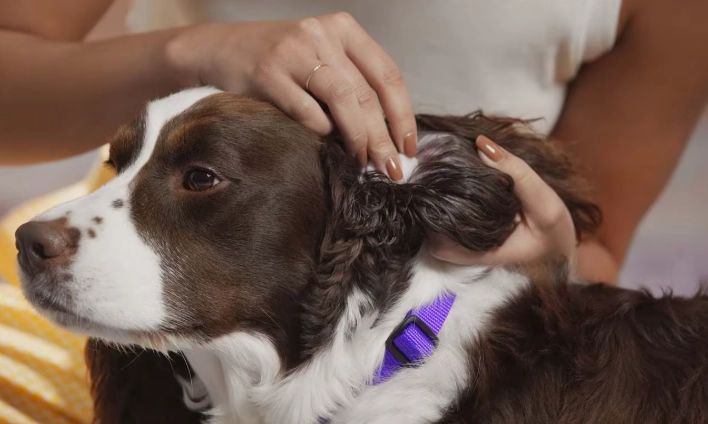
Stand back. Let your dog shake his head. This is where the towel comes in handy—they will shake out a lot of the dissolved debris and solution. Let them do it; it's nature's helper.
After the shake, take a cotton ball or gauze and gently wipe out the visible part of the ear canal and the inner ear flap. Wipe only as far as your finger can easily reach. You'll see the brown gunk on the cotton ball. Use as many as needed until they come out mostly clean.
Praise and treat lavishly. Make it a party. This helps your dog tolerate, and maybe even enjoy, future cleanings.
Repeat on the other ear. Always use fresh cotton for each ear to avoid cross-contamination if one has an issue.
It sounds like a lot of steps, but once you and your dog get the routine down, it takes just a few minutes. Consistency is key.
When It's More Than Just Dirt: Recognizing Ear Infections
Routine cleaning is preventative. But sometimes, the problem is beyond a bit of wax. Knowing when you're dealing with a simple dirty ear versus a full-blown infection is critical. Asking "can you put peroxide on dogs ears" is especially dangerous if an infection is already present.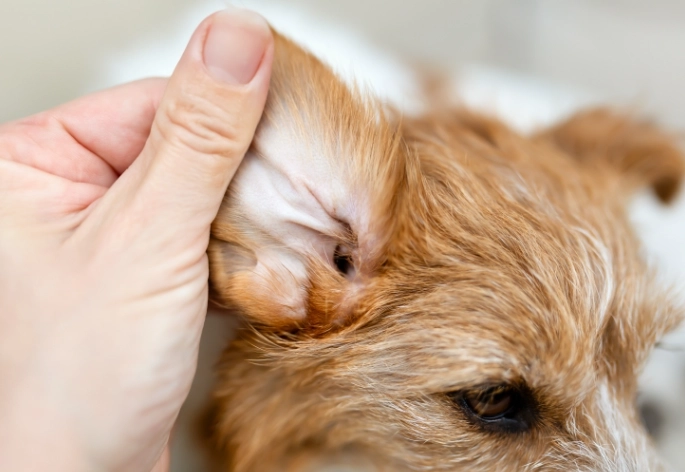
Signs of a Possible Ear Infection:
- Odor: A distinct, yeasty, or foul smell coming from the ear. It's unmistakable once you smell it.
- Discharge: Not just brown wax, but black, yellow, or greenish pus.
- Redness & Swelling: The inside of the ear flap and canal look bright red and inflamed.
- Pain: Your dog yelps, pulls away, or becomes aggressive when you touch near the ear.
- Excessive Scratching & Head Shaking: More than the occasional scratch. It's constant and frantic.
- Head Tilting or Loss of Balance: A sign the infection may be affecting the middle or inner ear. This is a vet emergency.
If you see any of these signs, stop cleaning and call your vet. Putting any cleaner, peroxide or otherwise, into an infected, painful ear can be agonizing and can interfere with your vet's ability to get a good diagnostic sample.
What Causes These Infections Anyway?
It's rarely just "getting dirty." Underlying causes make some dogs ear infection factories. Common triggers include:
- Allergies: The #1 cause, in my experience and according to many vets. Food or environmental allergies cause inflammation throughout the body, and the ears are a prime target. Buddy's issues are 90% linked to his seasonal grass allergies.
- Anatomy: Dogs with floppy ears (Cocker Spaniels, Basset Hounds), or hairy ear canals (Poodles, Schnauzers) have poor air circulation, creating that perfect warm, moist environment.
- Moisture: From swimming or bathing without proper ear drying.
- Foreign Bodies: Like grass awns getting stuck deep in the canal during a walk.
- Hormonal Issues or Immune Disorders.
Treating just the ear infection without addressing the root cause (like allergies) is like mopping the floor while the faucet is still running. Your vet can help you figure out the "why." The ASPCA's general dog care guidelines also stress the importance of holistic health management, which includes ear care as part of overall wellbeing.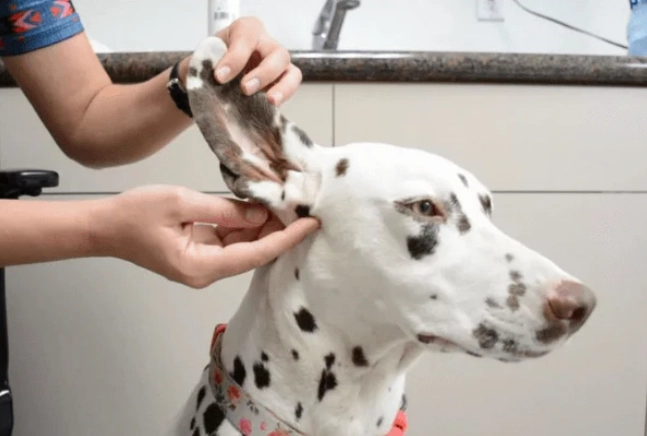
Your Questions, Answered (The FAQ Section)
Even diluted, the core problems remain: irritation to sensitive skin, disruption of the ear's natural environment, and potential pain from fizzing. A 1% solution is still an irritant. Why risk it when there are better, safer products formulated specifically for canine ears? Dilution doesn't magically make it safe or effective for this purpose.
This is a fair point. In a clinical setting, a vet might use a dilute peroxide solution for a very specific reason, like flushing out particularly tenacious debris during a procedure where the dog is sedated or under close professional supervision. They have the tools to fully dry the ear afterward and can immediately address any irritation. This is a far cry from squirting it from a drugstore bottle at home. Don't take a one-time vet procedure as a green light for home use.
Another popular home remedy. The theory is that its acidity can help fight yeast. Some vet-formulated ear cleaners do contain acetic acid, which is a component of vinegar. However, straight, undiluted ACV is far too acidic and can burn the delicate ear skin. If a vet recommends a dilute vinegar solution for your specific dog's recurrent yeast issues, they will give you exact, safe dilution instructions. It's not a one-size-fits-all home remedy.
There's no universal rule. It depends on your dog's breed, lifestyle, and health. A dog with healthy, non-problem ears might only need a cleaning once a month, or even less. A dog who swims weekly might need cleaning after every swim. A dog prone to allergies or infections might need weekly cleaning as part of a management plan. Your vet can give you the best schedule. Over-cleaning a healthy ear can cause irritation, so don't go overboard.
The bottom line? When in doubt, ask your vet. A quick call can save you and your dog a lot of trouble.
Wrapping It Up: The Safe Path Forward for Your Dog's Ears
So, we've come full circle. Can you put peroxide on dogs ears? The consensus from veterinary medicine and the experience of countless dog owners (including myself, after my early mistake) is clear: it's not recommended and is often harmful.
The desire to help our pets quickly is natural. But the best help is informed, gentle, and species-appropriate. Investing in a good vet-recommended ear cleaner and learning the proper massage-and-wipe technique is one of the best things you can do for your dog's long-term ear health. It builds trust, prevents problems, and lets you catch issues early.
Remember, your dog's ears are a delicate and vital part of their sensory world. They deserve care that's as thoughtful as the care you give the rest of them. Skip the peroxide, grab the right tools, and give those ears the gentle attention they need. Your dog will thank you with fewer head shakes, more comfort, and maybe even an extra happy ear scratch.
And if you ever see those signs of infection—the smell, the discharge, the pain—don't mess around with home remedies. Get professional help. It's what a responsible, loving dog owner does.



Leave a comment