Quick Navigation
- The Core Reason: It's a Barrier, Not a Punishment
- Breaking Down the "Why": Specific Medical Scenarios
- Types of Dog Cones: It's Not Just Plastic Anymore
- The Hard Part: Practical Tips for Life with the Cone
- How Long Should the Cone Stay On?
- Exploring Alternatives: Beyond the Classic Cone
- Answering Your Top Questions (The FAQ Section)
- Final Thoughts: A Temporary Inconvenience for Long-Term Health
If you've ever brought your dog home from the vet with a plastic satellite dish around their neck, you've probably asked yourself—and maybe even the vet—why do dogs wear neck cones in the first place. That first moment you see them bumping into doorframes, looking utterly miserable, your heart just sinks. I remember when my friend's Golden Retriever, Max, got one after a lump removal. He stood in the middle of the living room, refusing to move, giving us the saddest eyes imaginable. It felt almost cruel. But here's the thing I learned the hard way: that cone, officially called an Elizabethan collar or E-collar, is almost never about causing discomfort. It's a shield. A necessary, if awkward-looking, piece of medical equipment that stands between your dog and a world of trouble.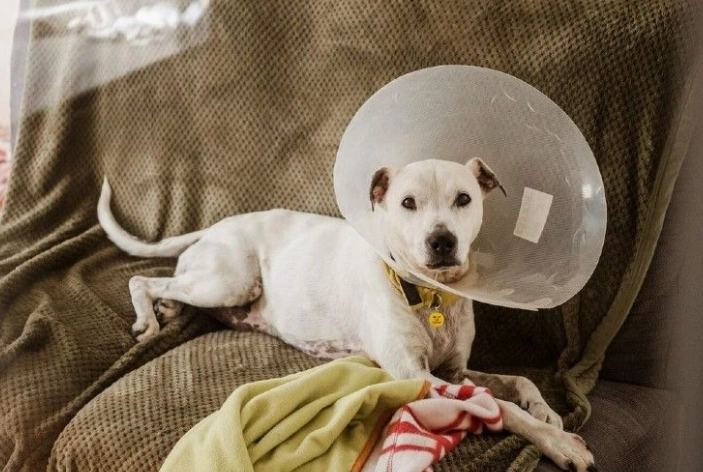
It's a simple question with a surprisingly deep answer. Most people know it's to stop licking, but the "why" behind the "don't lick" rule is what really matters. This guide isn't just about explaining the purpose. It's about navigating the entire experience—from the moment the vet recommends one, through the sometimes frustrating days of recovery, to the happy moment it comes off for good. We'll look at the medical reasons, the different types you can choose from, practical tips to make life easier (for both of you), and even some modern alternatives that might be a better fit than the classic plastic lamp shade.
The Core Reason: It's a Barrier, Not a Punishment
Let's cut right to the chase. The primary function of a dog cone collar is to act as a physical barrier. It's that straightforward. A dog's natural instincts after an injury, surgery, or when experiencing itchiness are to lick, bite, scratch, or rub the affected area. These instincts, while meant to clean and soothe, are disastrous for healing. The cone extends the space around their head, making it impossible for them to reach most parts of their own body with their mouth or paws.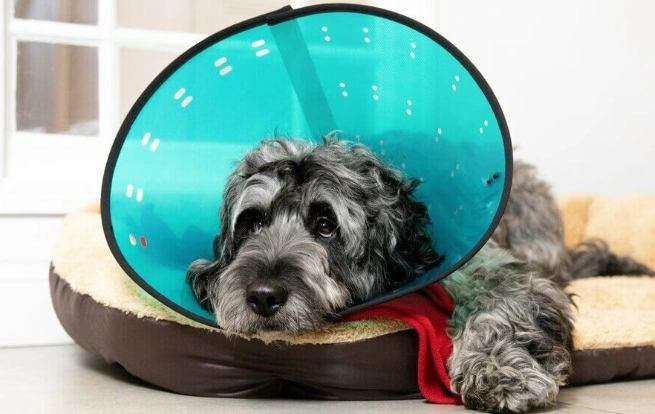
So, why do dogs wear neck cones specifically? Because the neck is the central pivot point. By placing the barrier here, it moves with the dog's head, maintaining a constant radius of protection no matter how they turn or twist. A vest or body wrap might protect the torso, but a determined dog can still contort to reach a leg or paw. The cone's design, as odd as it looks, is functionally brilliant for full-body coverage.
Breaking Down the "Why": Specific Medical Scenarios
It's not just for big surgeries. Vets recommend E-collars for a variety of situations where interference could lead to infection, delayed healing, or even serious injury.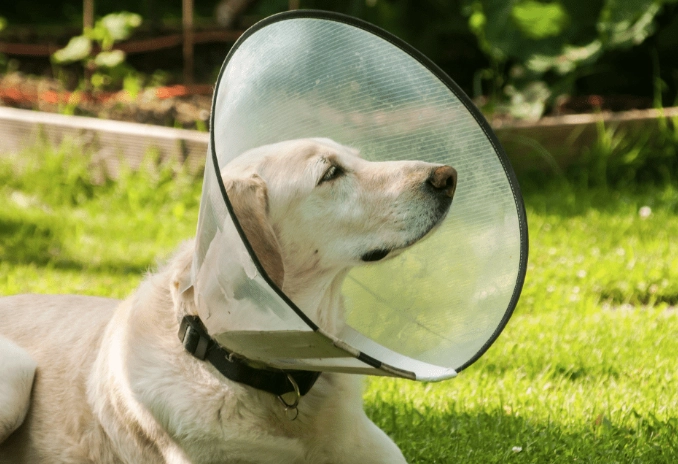
After Surgery (The Most Common Reason)
This is the big one. Whether it's a spay/neuter, tumor removal, dental work, or orthopedic surgery, the incision site is vulnerable.
- Preventing Licking: Dog saliva contains bacteria. Constant licking introduces this bacteria into a sterile surgical wound, significantly raising the risk of infection. It also keeps the wound wet, which prevents the formation of a healthy scab and new skin.
- Preventing Chewing Stitches: Those sutures or staples can feel weird and itchy as healing begins. A dog won't understand they need to leave them alone; they'll try to chew them out. This can reopen the wound, cause bleeding, and lead to the need for emergency vet care and re-suturing.
- Stopping Scratching: Even if they can't lick it, a back paw can still scratch a belly incision. The cone blocks that rear-leg reach too.
Skin Conditions, Hot Spots, and Allergies
Dogs with allergies often create "hot spots"—moist, inflamed, and infected patches of skin from relentless licking and chewing. It's a vicious cycle: itch leads to lick, lick causes infection and moisture, which leads to more itch. A cone is the only way to break this cycle so topical medications can work and the skin can dry out and heal. The American Society for the Prevention of Cruelty to Animals (ASPCA) lists preventing self-trauma from itching as a key reason for cone use.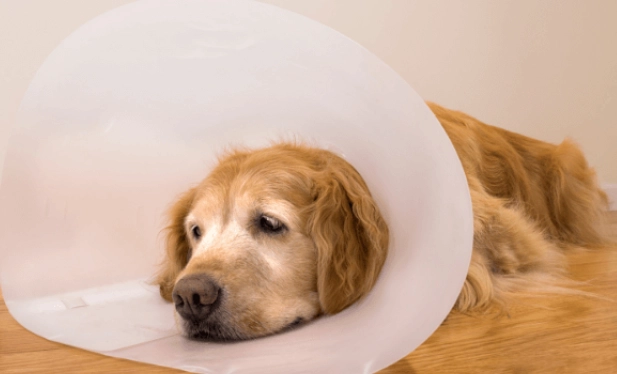
Eye or Ear Infections/Treatments
If your dog has an eye injury or infection, rubbing their face on the carpet or scratching at it with a paw can cause corneal ulcers or make an existing condition much worse. After ear surgery or for a severe ear infection, shaking the head or scratching at the ear can cause a painful aural hematoma (a blood blister on the ear flap). A cone provides essential protection during treatment.
Other Reasons You Might Not Have Considered
- Paw Injuries: A cut paw pad or broken nail is incredibly tempting to lick.
- After Removing a Cast or Splint: The skin underneath can be sensitive, matted, and itchy, leading to immediate chewing.
- Dermatological Procedures: After a skin biopsy or removal of a growth.
- Preventing Access to Bandages: Even a well-wrapped bandage is no match for determined canine teeth.
I once made the mistake of thinking a small bandage on my dog's tail would be enough. She had it off and was licking the wound within an hour. Back to the vet we went, and this time, we left with a cone. Lesson learned.
Types of Dog Cones: It's Not Just Plastic Anymore
The classic hard plastic cone is effective but often the most disliked option. Thankfully, the pet care market has innovated. Choosing the right type can make a huge difference in your dog's comfort and compliance. Here’s a breakdown of the most common options.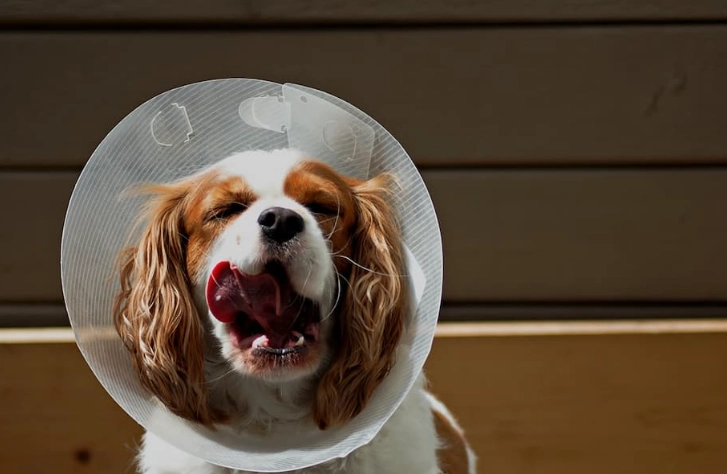
| Type of Cone | Pros | Cons | Best For... |
|---|---|---|---|
| Hard Plastic (Traditional E-Collar) | Most effective barrier; inexpensive; easy to clean; see-through options allow some visibility. | Bulky, noisy; can restrict peripheral vision; dogs often hate it; can be hard to eat/drink with. | Determined chewers; post-surgery where absolute protection is critical; short-term use. |
| Soft Fabric/Inflatable (Comfy Cone) | More comfortable; flexible; less scary for the dog; often allows better sleep and mobility. | Not fully chew-proof; can get dirty/wet; may not be long enough to protect certain areas (like hind legs). | Dogs sensitive to plastic; recovery from minor injuries; dogs who panic in hard cones. |
| Inflatable Neck Ring (Donut) | Very comfortable; acts like a travel pillow; doesn't obstruct vision at all; easy to eat/drink. | Limited protection area (great for chest/body, poor for legs/paws); some clever dogs can still maneuver around it. | Neck, chest, or torso wounds; as a deterrent for mild licking; a good alternative for many spay/neuter recoveries. |
| Flexible/Bendable Plastic | A compromise between hard and soft; provides a good barrier but can flex when the dog lies down. | Can still be obtrusive; not as soft as fabric options. | Dogs who need strong protection but slightly more comfort than rigid plastic. |
The choice really depends on your dog's personality and the location of their wound. For a front paw injury, a donut might be useless, but for a spay incision, it could be perfect. Always consult your vet if you're considering an alternative—they can tell you if it will provide adequate protection for your dog's specific situation.
The Hard Part: Practical Tips for Life with the Cone
Okay, so you understand why do dogs wear neck cones. Now, how do you survive the next 7-14 days with one? This is where most guides fall short. They tell you the "what" but not the "how."
Helping Your Dog Adjust (The First Few Hours are Key)
Dogs are often disoriented and stressed when the cone first goes on, especially coming out of anesthesia. Stay calm and positive.
- Supervise Closely: Don't just put it on and leave them alone. They will likely walk backwards, freeze, or try to paw it off. Guide them gently, encourage them to walk forward.
- Hand-Feed Treats: This creates a positive association. Give treats through the cone opening.
- Cone-Aware Walks: Take them outside on a leash first. They need to learn their new width. Go through doorways slowly, guiding them. You'll need to widen your own doorways mentally!
Daily Logistics: Eating, Drinking, Sleeping, and Playing
This is the nitty-gritty that causes frustration.
Feeding: Raise the food bowl. Seriously, get a raised feeder or put the bowl on a small stable platform. The rim of the cone will hit the ground before their mouth reaches a floor-level bowl. You can also temporarily use a shallow, wide bowl. Some people even take the cone off for supervised meal times, but only if you stand right there and put it back on the second they finish. I don't always trust this method with a food-motivated dog who might dart away to lick.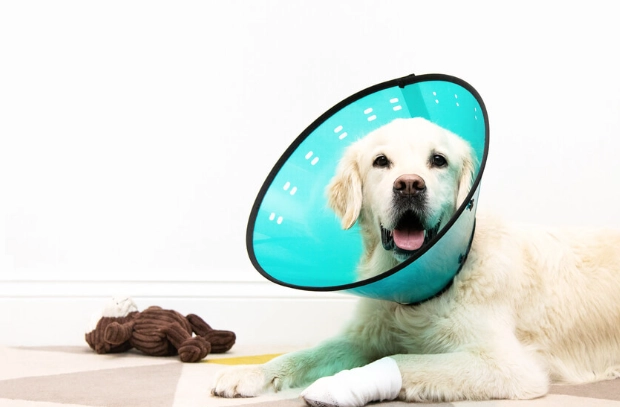
Drinking: A raised water bowl helps, but splashing is inevitable. They'll dunk the front of the cone in the water. Have a towel handy to dry it off to prevent skin irritation on their neck. Check the fit around the neck frequently for moisture or debris.
Sleeping: The cone turns them into a personal echo chamber. Every snore, every sigh, is amplified. They might have trouble getting comfortable. Provide extra padding with their favorite bed or blankets. You might need to help them position themselves. That first night, expect some restlessness.
Activity: No roughhousing, no dog parks, and be very careful around stairs. Their depth perception is off. Keep walks short and on-leash. Mental stimulation is your best friend—food puzzles, training sessions (simple commands they know), and gentle chewing on a safe toy (if allowed) can tire them out without physical exertion.
How Long Should the Cone Stay On?
This is non-negotiable: follow your veterinarian's instructions to the letter. They know the specifics of the procedure or injury. Generally, cones are needed for 10-14 days after most surgeries, which is how long it takes for the initial layers of skin to heal and for sutures to become secure. For skin issues, it might be until the area is completely dry and no longer red/inflamed.
The biggest mistake pet parents make is taking the cone off too early. You think the wound looks good, your dog seems fine, so you give them a break. Then you wake up the next morning to a chewed-out stitch and an emergency vet visit. It's not worth the risk. The cone stays on until the vet gives the all-clear, even if that means wearing it during a follow-up appointment for a final check.
Exploring Alternatives: Beyond the Classic Cone
If the traditional cone is causing extreme stress or isn't practical, ask your vet about these alternatives. Remember, the goal is protection, not any specific device.
- Recovery Suits/Body Suits: These are like little onesies or pajamas that cover the torso. Fantastic for spay/neuter incisions, belly wounds, or skin conditions on the body. They allow full mobility and vision. The downside? They need to be removed for bathroom breaks and can get soiled.
- Neck Braces/Soft E-Collars: These are shorter, padded collars that limit neck mobility, making it hard for the dog to turn and reach their body. They are more comfortable but offer very targeted protection.
- Pool Noodles (A DIY Hack): Some creative owners have fashioned softer rings by wrapping a pool noodle into a circle and securing it around the dog's neck. It's a donut alternative. Use with extreme caution and vet approval—ensure it's secure and cannot be chewed apart and swallowed.
The Merck Veterinary Manual, a trusted resource for veterinary professionals, acknowledges that while the Elizabethan collar is standard, alternative protective devices can be used if they are equally effective in preventing self-trauma. The key phrase is "equally effective." Don't sacrifice safety for convenience.
Answering Your Top Questions (The FAQ Section)
Let's tackle some of the specific worries and searches that lead people to ask why do dogs wear neck cones.
My dog is miserable and hates the cone. What can I do?
First, ensure it's fitted correctly—it should be snug enough that they can't slip it off, but you should be able to fit two fingers between the collar and their neck. Try a different style (soft fabric or inflatable). Increase mental stimulation to distract them. And sometimes, you just have to tough it out for a few days. They often adjust better than we think they will.
Can my dog see okay with the cone on?
Their forward vision is usually fine, especially with clear plastic cones. Their peripheral (side) vision is severely limited. This is why they bump into things. Help them by keeping walkways clear and announcing your approach from the front so you don't startle them.
Is it safe for my dog to sleep with the cone on?
Yes, it must stay on 24/7, including sleep. This is when you're not watching, and they might try to lick. Ensure their sleeping area is clear of obstacles so the cone doesn't get caught.
Can I make a DIY dog cone at home?
You can, using stiff paper, cardboard, or soft materials, but I generally don't recommend it. A homemade cone likely won't be as sturdy, waterproof, or securely fastened as a medical-grade one. It could fail at a critical moment. It's better to buy a purpose-made alternative if the plastic one isn't working.
My dog won't eat or drink with the cone on. Help!
Raise the bowls. Hand-feed small, tempting meals. For water, you can try offering it from your hand or a shallow spoon at first. If they go more than 24 hours without drinking, contact your vet, as dehydration is a serious risk.
Are there risks to using a cone?
Minor risks include neck irritation (check fit daily), difficulty with temperature regulation (they can't pant as effectively), and stress. The risk of NOT using the cone when needed (infection, reopened wounds, costly complications) is almost always far greater. The American Veterinary Medical Association (AVMA) emphasizes that preventing self-inflicted injury is a cornerstone of post-operative care, for which cones are a primary tool.
Final Thoughts: A Temporary Inconvenience for Long-Term Health
Asking why do dogs wear neck cones is the first step in being a responsible and empathetic pet owner during your dog's recovery. It looks silly, it sounds annoying, and it definitely disrupts your routine. But when you reframe it from a "torture device" to a "healing helmet," it changes your perspective.
It's a short-term sacrifice for a long-term gain. Be patient with them, and be patient with yourself. Use the tips here to make the journey smoother. And when the vet finally says the magic words—"You can take the cone off now"—make sure you have the camera ready. The look of pure, unbridled joy and the ensuing zoomies will make every bumped coffee table and sleepless night completely worth it.
Remember, you're not alone in this. Every dog owner who has gone through a surgery or skin issue with their pet has faced the cone challenge. Now you're armed with not just the answer to why it's necessary, but with the practical knowledge to manage it like a pro.



Leave a comment