You're staring at the bowl of kibble. Your dog is staring at you. There's a mutual understanding that dinner is, well, boring. You want to make it better, but you're terrified of googling "what can I put in my dog's food" and ending up with a sick pup. I get it. I've been there with my own picky Labrador, Baxter, who once went on a three-day hunger strike just to prove a point about the monotony of brown pellets.
Let's cut to the chase: adding to your dog's food isn't just about flavor. It's about moisture, mental stimulation, extra nutrients, and turning mealtime into something they genuinely look forward to. The good news is, your kitchen is full of safe, healthy options. The trick is knowing which ones, how much, and the common mistakes that can backfire.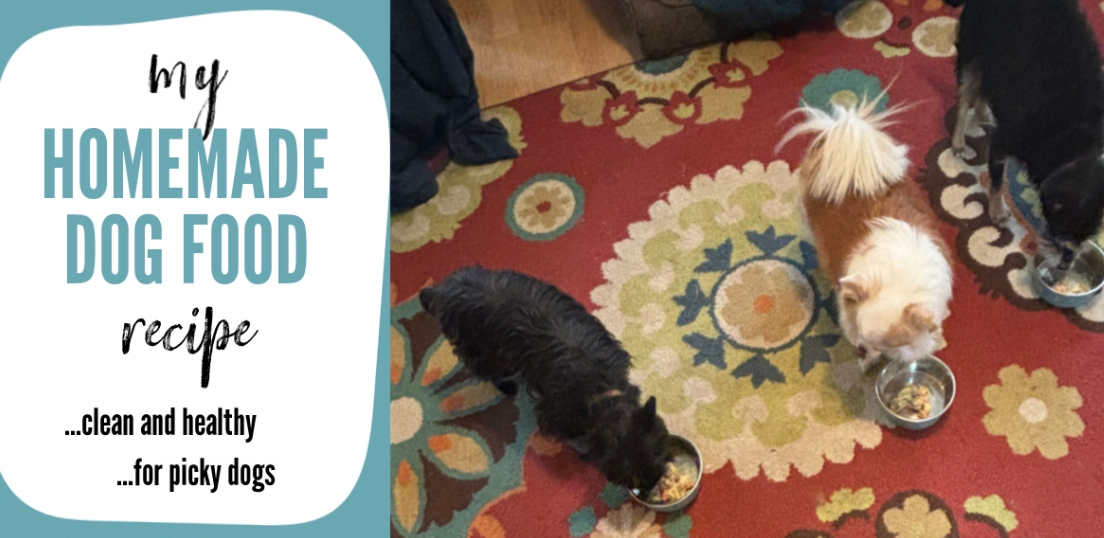
What You'll Find Inside
Why Bother Spicing Up Your Dog's Kibble?
Beyond ending the dinner standoff, there are real benefits. Dry kibble is often low in moisture. Adding a bit of wet food, broth, or even water can aid in hydration, especially for dogs that don't drink enough. It's a simple hack for kidney and urinary tract health.
For senior dogs or those with dental issues, softening food makes it easier to eat. For working breeds or smart dogs that get bored, a varied topping provides mental enrichment. Sniffing out different smells and textures is like a puzzle for their brain.
But here's the expert nuance everyone misses: you're not trying to replace a balanced diet. Think of these add-ins as "food toppers" or "meal enhancers," making up no more than 10% of your dog's total daily calories. The remaining 90% should be their complete and balanced commercial or veterinary-prescribed diet. This keeps their nutrition on track while keeping joy in the bowl.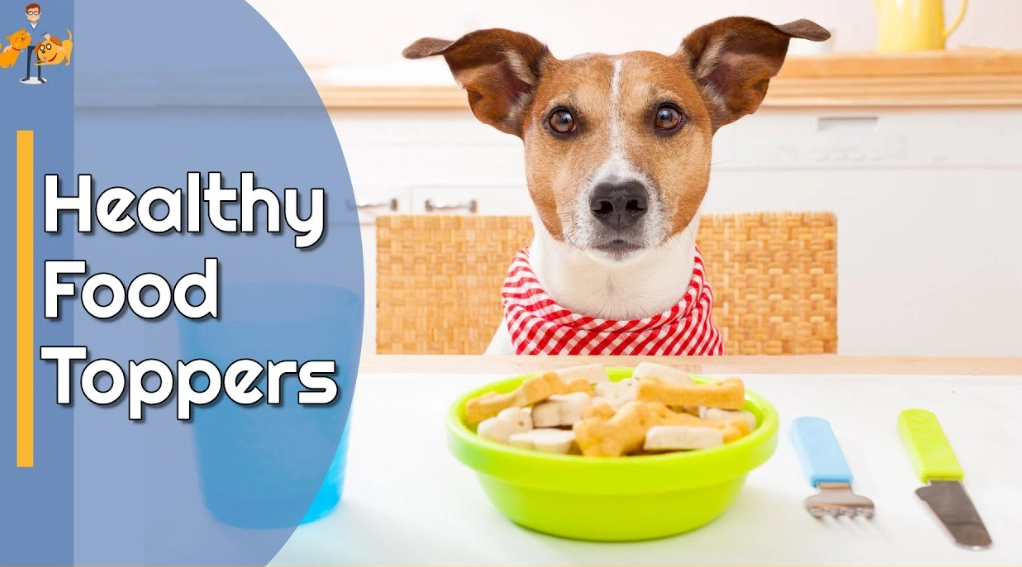
The Ultimate Safe Ingredients List
This isn't just a random list. It's categorized by what benefit they bring to the bowl. Rotate through them to keep things interesting.
Fresh Vegetables (Cooked or Pureed)
Low-calorie, high-fiber, packed with vitamins. Cooking or steaming breaks down cell walls, making nutrients easier to digest.
- Pumpkin (plain, canned): The superstar. Great for digestion (firms up stool for diarrhea, softens it for constipation). A tablespoon does wonders.
- Green Beans: Crunchy and low-cal. Perfect for weight management dogs. Try frozen ones for a cool treat.
- Sweet Potato: Cook and mash it. Loaded with beta-carotene. My dog Baxter goes nuts for a spoonful mixed in.
- Carrots: Cooked or raw (grated for small dogs). Good for teeth and eyes.
- Spinach/Kale: Wilt and chop finely. Add in tiny amounts for an antioxidant boost.
Fruits (In Strict Moderation)
Higher in sugar, so think of these as occasional treats, not daily staples.
- Blueberries: Antioxidant powerhouses. A small handful is perfect.
- Apple Slices (no core/seeds): A crunchy, sweet addition. Seeds contain cyanide, so core them thoroughly.
- Watermelon (seedless): Hydrating and sweet on a hot day. Remove the rind.
- Banana: High in potassium, but also high in sugar. A few small slices is plenty.
Proteins & Healthy Fats
These add palatability and essential fatty acids for skin and coat health.
| Ingredient | How to Prepare | Key Benefit & Note |
|---|---|---|
| Plain Cooked Chicken/Turkey | Shredded, no skin, no bones, no seasoning. | High-value topper for picky eaters or recovering dogs. The "gateway" topper. |
| Canned Sardines in Water | Mashed, check for no added salt. | Omega-3s for inflammation and a shiny coat. Start with half a small fish. |
| Plain Greek Yogurt | Full-fat or low-fat, no artificial sweeteners (xylitol is toxic). | Probiotics for gut health. Great for dogs on antibiotics. A teaspoon is enough. |
| Cottage Cheese (low-sodium) | A small dollop. | Easy-to-digest protein and calcium. Some dogs are lactose intolerant, so go slow. |
| Egg | Scrambled or hard-boiled (chopped). | Complete protein. I often give Baxter the crumbled shell for extra calcium. |
| Salmon Oil or Coconut Oil | Drizzled (1/4 to 1 tsp depending on dog size). | Instant flavor and skin/coat magic. Coconut oil is solid at room temp, so melt it first. |
The "Secret Weapon" Category: Broths & Probiotics
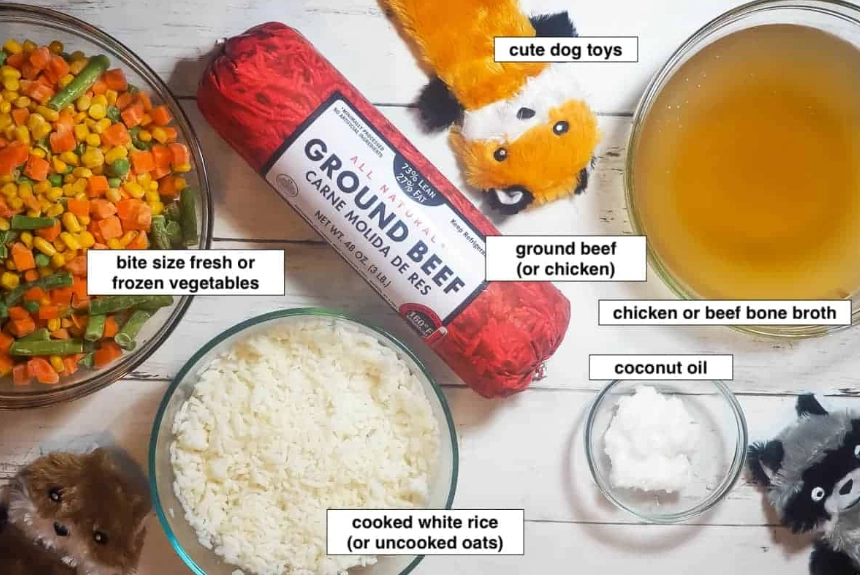
This is where you get chef-level. Plain, low-sodium bone broth (homemade or store-bought pet-specific) is liquid gold. Pour a quarter cup over kibble to hydrate and add collagen. For store-bought, always check the label for onion or garlic powder.
Goat's milk (raw or powdered, specifically for pets) is a growing trend for a reason. It's packed with probiotics and enzymes, often tolerated by dogs sensitive to cow's milk. A splash can transform a meal.
How to Use These Foods the Right Way
Throwing a handful of blueberries on top isn't wrong, but there's a better way. The goal is integration, not just topping.
- Start Slow: Introduce any new food one at a time, in tiny amounts. Watch for 24-48 hours for any signs of upset stomach (gas, loose stool, vomiting).
- Mix, Don't Just Top: Lightly mix the topper into the kibble. This prevents your dog from just picking off the good stuff and leaving the balanced nutrition behind.
- Mind the Calories: This is critical. If you're adding 50 calories of chicken and oil, reduce their kibble by about 50 calories. Most kibble bags have feeding guides based on weight. Use them. Obesity is a bigger health risk than a bland diet.
- Keep it Simple: One or two add-ins per meal is plenty. You're not making a gourmet salad.
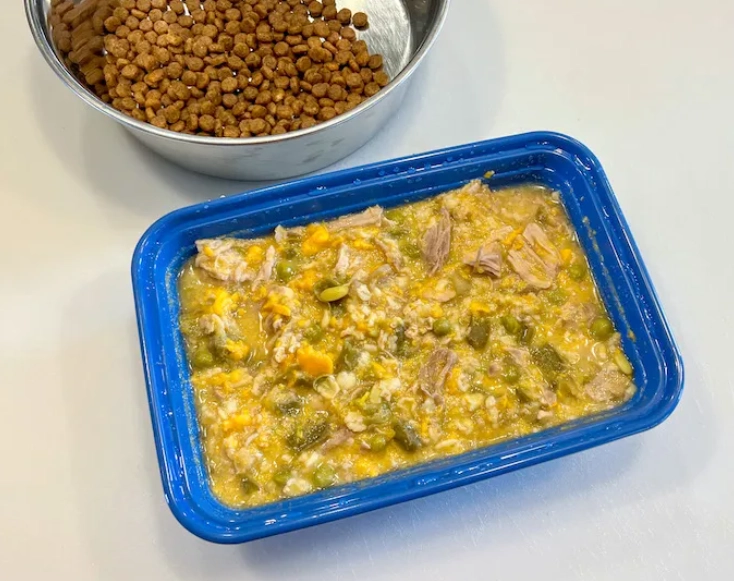
- Consider a "Base Mix": For efficiency, make a weekly batch. Steam and mash a sweet potato, mix in a can of plain pumpkin and some shredded chicken. Store in the fridge and add a spoonful to each meal.
The "Never-Ever" List: Foods to Absolutely Avoid
This is non-negotiable. While the internet is full of "maybe okay" lists, these are definitively dangerous. Bookmark the ASPCA's Animal Poison Control list for the most authoritative reference.
- Onions, Garlic, Chives, Leeks: In all forms (powdered, raw, cooked). They damage red blood cells, leading to anemia. Garlic toxicity is dose-dependent, but why risk it?
- Grapes & Raisins: Cause acute kidney failure in some dogs. The toxic mechanism is still unknown, so no amount is safe.
- Chocolate & Caffeine: Theobromine is toxic to dogs. Dark chocolate and baking chocolate are the worst.
- Xylitol: An artificial sweetener in sugar-free gum, peanut butter, some yogurts. It causes a rapid, life-threatening drop in blood sugar and liver failure. Always check peanut butter labels.
- Macadamia Nuts: Cause weakness, vomiting, tremors.
- Alcohol & Raw Yeast Dough: Obvious but worth stating. Dough can expand in the stomach.
A subtle mistake I see: people using commercial gravy or seasoning packets. They are almost always loaded with onion/garlic powder and excessive salt. Stick to the plain, whole foods listed above.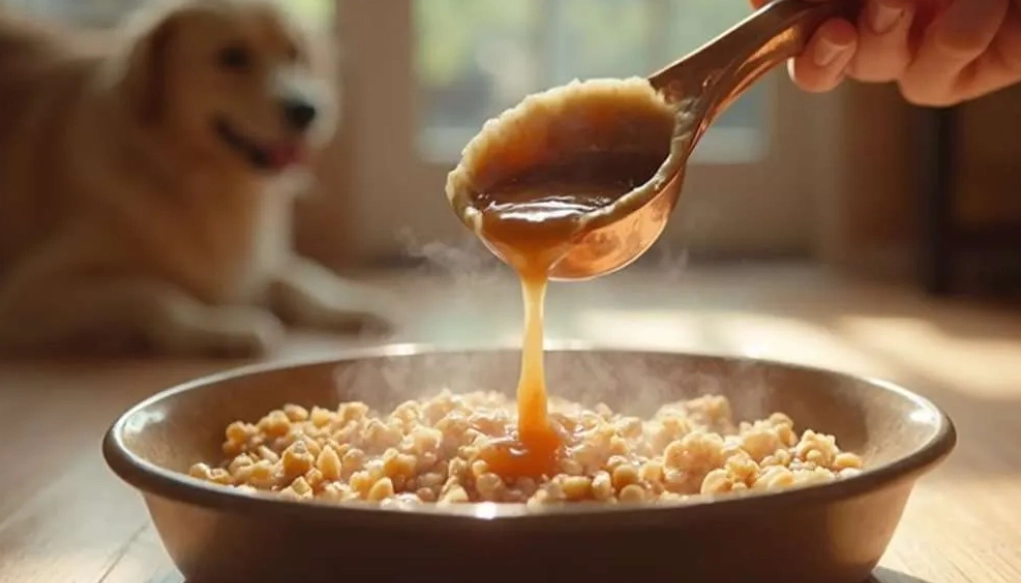
Your Top Questions, Answered
Won't adding tasty stuff make my dog even pickier and refuse plain kibble?
This is the most common fear. It usually happens when the add-ins are used inconsistently or as a bribe. The key is to make the enhanced meal the only option. Put the bowl down for 15-20 minutes. If they don't eat it, pick it up and offer nothing else until the next scheduled meal. They learn that this is what dinner is. Consistency, not negotiation, prevents pickiness from worsening.
My dog has a sensitive stomach. How do I start?
Begin with the most bland, easily digestible options. A teaspoon of plain canned pumpkin or a tablespoon of plain, cooked white rice mixed into their kibble. Bone broth can also be very soothing. Avoid high-fat toppers (oils, fatty meats) and high-fiber veggies initially. Introduce one item per week and keep a food diary to track reactions.
Are these ideas safe for puppies and senior dogs?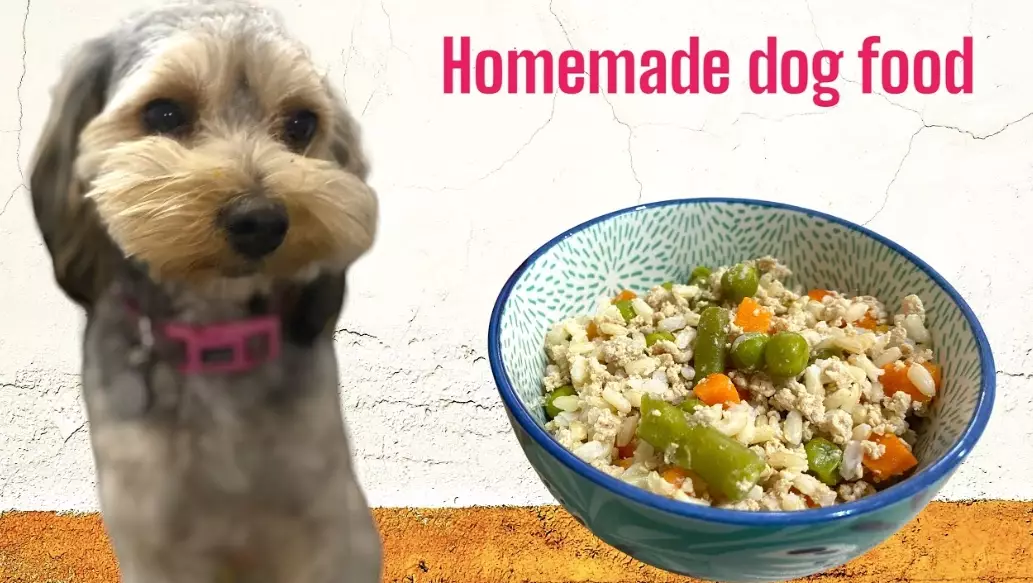
Generally yes, but with adjustments. Puppies have delicate digestive systems. Stick to simple, cooked items like a bit of mashed sweet potato or plain chicken. For seniors, focus on hydration (broth) and joint support (foods with omega-3s like sardines). Always reduce their kibble portion to account for the extra calories to prevent weight gain, which is harder on aging joints.
How can I tell if my dog is allergic to something I added?
Food allergies in dogs most commonly manifest as itchy skin (especially paws, ears, rear), chronic ear infections, or gastrointestinal issues like diarrhea. If you see these signs after introducing a new food, stop that item immediately. True allergies often require a vet-guided elimination diet to pinpoint the culprit, which is usually a protein source like chicken or beef, not typically a vegetable.
Is it cheaper to just buy commercial "food topper" products?
It can be, but you lose control and freshness. Many commercial toppers contain preservatives, fillers, and vague "meat by-products." Using scraps of the chicken you cooked for your family, or the end of a sweet potato, is often more cost-effective and you know exactly what's in it. A $3 can of plain pumpkin lasts a medium-sized dog over a week.
The bottom line is simple. Spicing up your dog's food should be fun, safe, and beneficial. It’s not about fancy recipes; it’s about using simple, whole foods to add variety, nutrition, and joy to the most predictable part of your dog's day. Start small, pay attention to your dog's individual response, and enjoy the process of making mealtime something you both look forward to.




Leave a comment