Quick Navigation
- First Things First: Is This an Emergency? The Red Flag Checklist
- Immediate First Aid: The Do's and Don'ts (From Someone Who's Messed Up)
- When "Wait and See" Becomes "Go to the Vet"
- What Will the Vet Do for Dog Bee Sting Face Swelling?
- Your Top Questions Answered (The Stuff You're Really Searching For)
- Home Care and Comfort: Beyond the First Day
- Prevention: Can You Stop It From Happening Again?
It happens in a flash. One minute your dog is sniffing happily in the clover, the next there's a yelp, a frantic paw at the snout, and you see it – that telltale bee or wasp buzzing away. Within minutes, the swelling starts. Maybe it's just a puffy lip. Maybe it's one eye starting to close. Or maybe, and this is the scary part, the whole muzzle is ballooning before your eyes. That's dog bee sting face swelling in action, and it sends a jolt of panic straight to any pet owner's heart.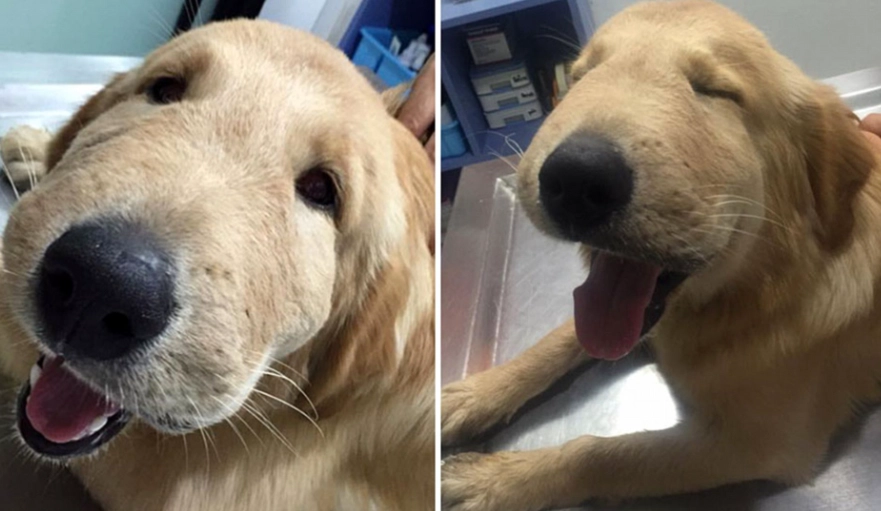
Let's take a deep breath. I've been there. My own lab-mix, Barney, once decided a bumblebee was a flying snack. The result was a comically lopsided face that had me scrambling for my phone. Was this normal? Was he in danger? Should I use Benadryl? How much? The internet was a mess of conflicting advice. After that experience, and through talking with vets, I realized most guides are either overly clinical or dangerously simplistic. This isn't about scaring you. It's about giving you the clear, step-by-step roadmap I wish I'd had.
We're going to cut through the noise. We'll cover exactly what to do in the first critical minutes, how to tell a normal reaction from a life-threatening emergency, safe home care (and the popular remedies you should absolutely avoid), and what the vet will do if you need to go. Consider this your one-stop shop for navigating a dog's swollen face from bee sting with confidence.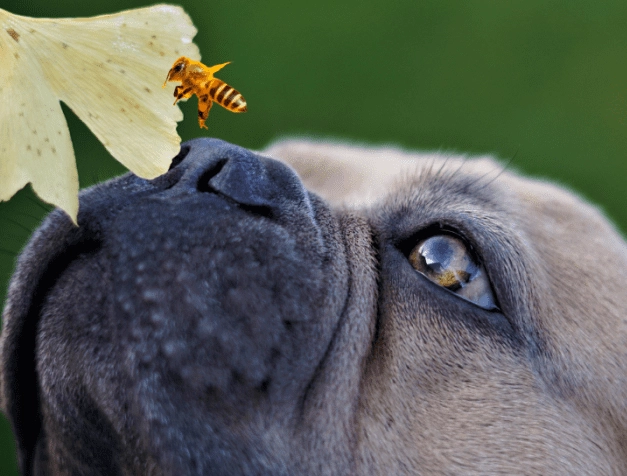
First Things First: Is This an Emergency? The Red Flag Checklist
Before you do anything else, you need to triage. Not all face swelling from a bee sting on a dog is created equal. Most are local reactions – uncomfortable and ugly, but not deadly. Some are systemic allergic reactions, and that's a race against time.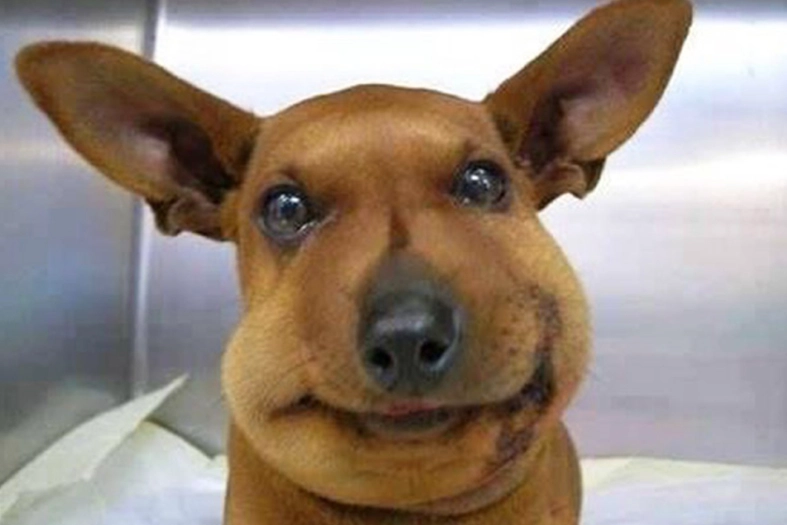
- Difficulty breathing: Listen for wheezing, raspy sounds, or see them struggling to draw breath. This is the number one emergency sign.
- Excessive drooling or vomiting: More than just a little slobber from the swelling.
- Severe hives or swelling spreading BEYOND the face and head—like on the belly, legs, or groin.
- Extreme lethargy, collapse, or seeming disoriented.
- Pale or blue-tinged gums. (Lift their lip and check the gum color quickly).
This is anaphylaxis, a full-body allergic reaction. Time is critical. Don't waste it searching online.
If your dog is breathing normally, alert, and the swelling seems confined to the muzzle, lips, or around the eyes, you're likely dealing with a local reaction. You can still be worried (that's normal!), but you can proceed with first aid at home. The key is vigilance. Watch them like a hawk for the next hour for any of those red flags appearing.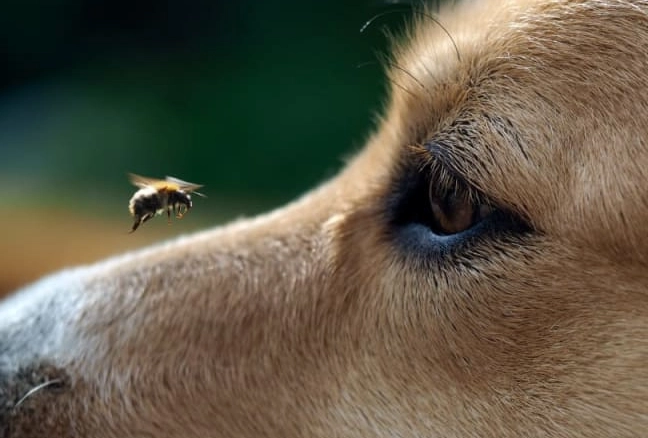
Immediate First Aid: The Do's and Don'ts (From Someone Who's Messed Up)
Okay, breathing is normal, dog is alert. Now what? Your goal is to manage the dog bee sting face swelling, reduce discomfort, and prevent infection.
Step 1: Find and (Maybe) Remove the Stinger
Bees leave a barbed stinger with a venom sac attached. Wasps and hornets do not. If you see a little black dot in the center of the swelling, it's probably a bee stinger. The old advice was to scrape it out with a credit card to avoid squeezing more venom in. Honestly? If it's deeply embedded in a swollen, furry face and your dog is wiggly, trying to get it might cause more stress and pain for both of you. The venom sac empties quickly. The American Veterinary Medical Association (AVMA) notes that rapid removal is ideal, but if it's difficult, focus on the next steps. If it's easily visible and accessible, a gentle scrape with your fingernail or a stiff card is fine.
Step 2: The Soothing Cool-Down
This is your best friend for reducing swelling and pain. Grab a clean cloth, soak it in cool water, wring it out, and hold it gently against the swollen area for 5-10 minutes at a time. Take breaks. You can do this several times in the first hour. A bag of frozen peas wrapped in a thin towel works great too – it conforms to the face shape. Never apply ice directly to the skin.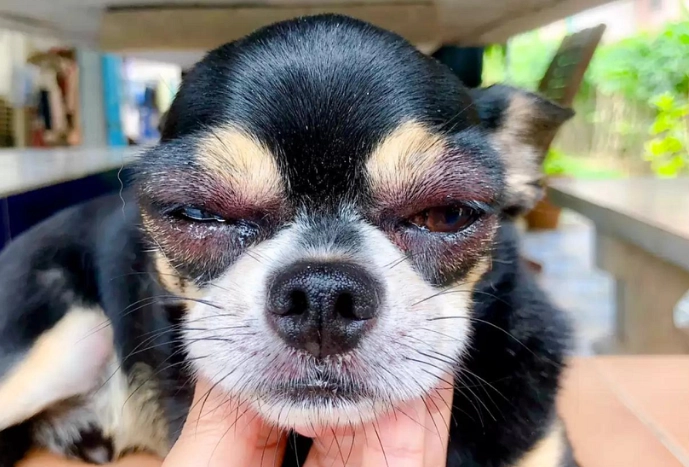
Step 3: The Benadryl Question (Dosage is EVERYTHING)
Diphenhydramine (the active ingredient in Benadryl) is often recommended by vets to help reduce swelling and mild allergic symptoms. But you MUST get the dosage right. The standard veterinary guideline is 1 mg of Benadryl per pound of your dog's body weight, given 2-3 times a day. Use only plain Benadryl (diphenhydramine HCl). Avoid any formulations with added pain relievers (like Tylenol/acetaminophen) or decongestants (like pseudoephedrine), as these can be toxic to dogs.
What NOT to Do: The Popular Myth List
This is where a lot of well-meaning owners go wrong. Avoid these like the plague:
- Baking soda paste: The internet loves this. The theory is that baking soda (alkaline) neutralizes bee venom (acidic). The problem? It's messy, can be irritating, and your dog will 100% lick it off and ingest it, which can upset their stomach.
- Vinegar or lemon juice: The opposite myth (acid for alkaline wasp venom). Same issues – skin irritation and licking.
- Giving human painkillers: Ibuprofen (Advil), naproxen (Aleve), and acetaminophen (Tylenol) are highly dangerous for dogs and can cause kidney failure, liver damage, or stomach ulcers. Never.
- Applying essential oils directly: They can be toxic if licked and are often irritating.
When "Wait and See" Becomes "Go to the Vet"
Even if it's not a breathing emergency, there are good reasons to call or visit your regular vet. Here’s a quick table to help you decide: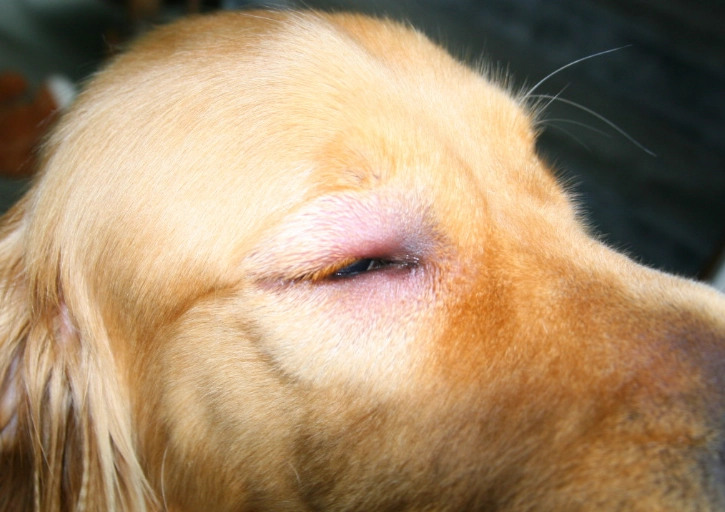
| Situation | Action | Why |
|---|---|---|
| Swelling is severe, closing both eyes, or blocking nostrils. | Call vet, likely need to go in. | Impairs vision and smell, causes significant distress, may need stronger meds. |
| Swelling is not improving after 24 hours of home care. | Schedule a vet visit. | Could indicate infection or a persistent reaction needing treatment. |
| Your dog is pawing at the face incessantly. | Call vet. | Risk of self-injury, scratches can become infected. Vet may need to provide safe anti-itch meds. |
| The sting is inside the mouth or on the tongue. | Call vet immediately. | Swelling in the mouth/throat can compromise breathing more easily. |
| You're simply unsure and worried. | Call vet. | Peace of mind is a valid reason. A good vet will reassure you or advise you to come in. |
Personally, I think the "incessant scratching" point is huge. Barney scratched at his eye so much he gave himself a small corneal abrasion. We ended up at the vet for that anyway, plus antibiotics for the scratch. A timely vet call for an anti-itch shot could have prevented it.
What Will the Vet Do for Dog Bee Sting Face Swelling?
If you end up at the clinic, don't worry – they see this all the time, especially in summer. Here’s what you can likely expect, so you're not going in blind.
- Assessment: They'll check your dog's vital signs (heart rate, breathing, gum color) and assess the extent of the swelling.
- Anti-inflammatory injections: The most common treatment is an injection of a corticosteroid (like dexamethasone). This works much faster and more effectively than oral Benadryl to reduce significant face swelling from bee sting dog.
- Antihistamine injection: May be given alongside the steroid for a stronger effect.
- Treatment for itching: They might give an injection of an anti-itch medication (like Apoquel or Cytopoint) which is safer and longer-lasting than steroids for itch control.
- Possible observation: For severe cases or if there's any concern about breathing, they might keep your dog for a few hours to monitor them.
For a full-blown anaphylactic reaction, treatment is more intensive and includes epinephrine, IV fluids, and oxygen therapy. The cost? It varies, but for a standard reaction visit, expect a couple hundred dollars. For an emergency after-hours visit for anaphylaxis, it can be much more.
Your Top Questions Answered (The Stuff You're Really Searching For)
Home Care and Comfort: Beyond the First Day
The swelling is down, the emergency is over. Now your dog has a lumpy face. How do you keep them comfortable?
The Safe Comfort Care Kit
- Soft Food: If the swelling makes chewing kibble difficult, soften their regular food with warm water or offer plain, boiled chicken and rice for a meal or two.
- Easy Water Access: Make sure the water bowl is full and clean. A puffy face can make drinking awkward.
- Quiet Rest: Keep them indoors and calm. No rough play or long walks while they recover.
- Elizabethan Collar (The Cone of Shame): If they are scratching at the site, the cone is annoying but essential to prevent infection from broken skin.
Watch for signs of infection in the following days: increased redness, warmth, pus, or a foul smell from the sting site.
Prevention: Can You Stop It From Happening Again?
You can't bubble-wrap your dog, but you can be smarter.
- Bee Aware on Walks: In peak bee season (late spring to fall), be cautious around flowering gardens, clover lawns, and fallen fruit.
- Cover Food & Trash: Open soda cans, picnic leftovers, and trash attract wasps and bees. Keep outdoor eating areas clean.
- No Swatting: Teach your dog a solid "leave it" command. If they start focusing on a buzzing insect, redirect them.
- Know Your Dog's History: If they've had a severe reaction before, talk to your vet about whether carrying an emergency dose of Benadryl or, in rare cases, an epinephrine pen (EpiPen) is warranted. This is a serious conversation for your vet to have, not an internet decision.
Look, seeing your dog with a swollen face from a bee sting is scary. It just is. You're not overreacting for being concerned. The key isn't knowing everything instantly; it's knowing how to figure out what you need to know, right now. You've got the steps: Emergency Red Flags. Safe First Aid: cool compress, correct Benadryl dose. Vet thresholds. Aftercare. Prevention.
Remember Barney? He got through it just fine, even with my early mistakes. His face was back to normal in about two days, though he did give bees a much wider berth after that (a lesson learned the hard way). You've got this. Stay calm, use this guide, and don't hesitate to pick up the phone and call your vet if you're ever in doubt. That's what they're there for.


Leave a comment