What’s Inside
- Why the Traditional Cone Fails (And When It's Still the Best)
- The Top Contenders: A Detailed Breakdown of Each Dog Cone Alternative
- Side-by-Side Comparison: Which Dog Cone Alternative is Right For You?
- Beyond the Product: Tips for Success with Any Alternative
- Your Questions, Answered (The Stuff You're Actually Searching For)
- Wrapping Up: Your Action Plan
Let's be honest. The classic plastic Elizabethan collar – the "cone of shame" – is a nightmare for everyone. Your dog bumps into every wall and piece of furniture, can't eat or drink properly, looks utterly miserable, and the constant *clunk-clunk-clunk* drives you up the wall. If you're searching for a dog cone alternative, you're not being overly indulgent. You're looking for a solution that balances your pet's safety with their (and your) sanity during recovery.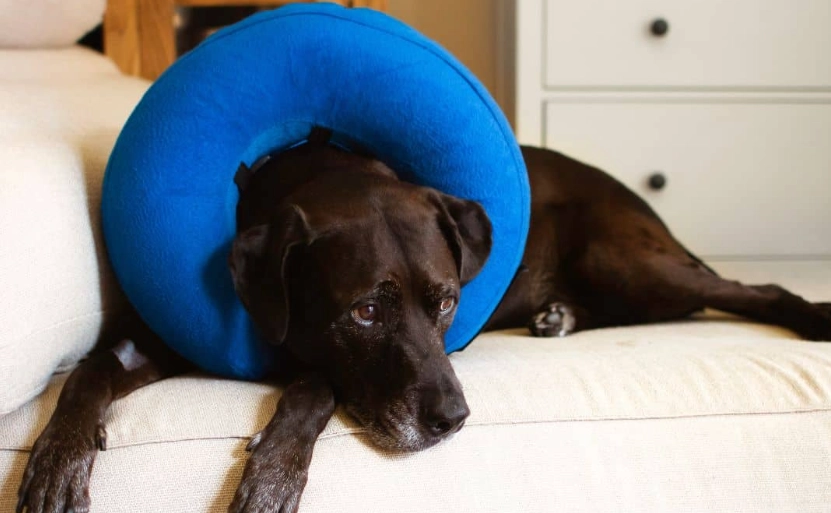
I remember when my friend's Labrador, Buddy, had to wear the plastic cone after a minor lump removal. He spent three days walking sideways, refusing to move, and his spirit seemed utterly broken. The vet said it was necessary, but watching him suffer through the recovery was almost worse than the surgery itself. That's when we dove deep into the world of alternatives. Some were fantastic, others... not so much.
The good news? The market for dog cone alternatives has exploded. There are options that are softer, more flexible, and far less intrusive. But not all are created equal, and the right choice depends entirely on your dog's injury, personality, and what you're trying to prevent them from licking or biting.
Why the Traditional Cone Fails (And When It's Still the Best)
Before we jump to the alternatives, it's worth understanding the problem. The plastic E-collar is designed with one brutal job: to create a physical barrier between your dog's mouth and any part of its body. It's supremely effective at that. It's also cheap, easy to clean, and provides 360-degree protection. For certain situations – like eye injuries or very determined chewers – it remains the gold standard recommended by organizations like the American Veterinary Medical Association (AVMA).
But its failures are legendary:
- Psychological distress: The restricted vision and constant barrier cause significant stress and anxiety for many dogs.
- Physical impediment: Dogs can't navigate their world. Eating, drinking, sleeping comfortably, and going through doorways become major ordeals.
- Household havoc: You'll find cone-shaped marks on your walls and furniture legs.
- Risk of injury: In a panic, dogs can hurt their necks or get the cone caught on things.
So when is a dog cone alternative not appropriate?
If your dog is an obsessive licker or chewer, if the wound is in a tricky spot (like right next to the leg where a soft collar can be pushed aside), or if your vet is adamant, you might need to stick with the plastic or use an alternative in combination with it. Never compromise the healing process just for comfort.
The Top Contenders: A Detailed Breakdown of Each Dog Cone Alternative
Here’s where we get into the meat of it. I’ve grouped these based on their primary design principle. What works for a laid-back Bulldog might be a chew toy for a clever Border Collie.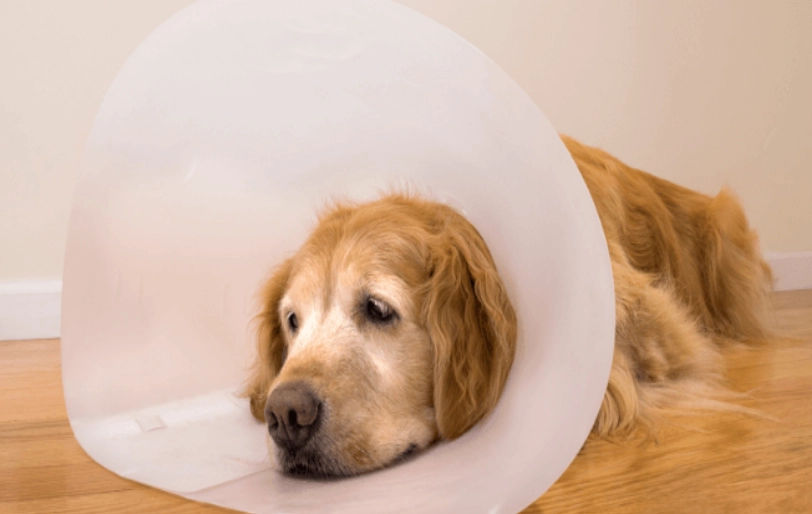
The Inflatable Dog Collar (The Donut)
This is probably the most popular dog cone alternative, and for good reason. It looks like a travel neck pillow for your pup. It inflates around the neck, preventing the head from turning enough to reach the body.
How it works: It acts as a gentle bumper, not a barrier. Your dog retains full forward vision, can eat and drink normally, and often uses it as a pillow. It’s fantastic for chest, body, and leg wounds (as long as they’re not on the hind legs).
The good: Huge comfort upgrade. Less stress. Often machine washable. My friend’s dog, Buddy, went from depressed to his normal self within an hour of switching to a good inflatable collar.
The not-so-good: It’s not fail-safe. Agile dogs with long snouts can sometimes still twist and reach a front leg. For hind leg or tail injuries, it’s often useless. Also, some dogs figure out how to deflate them (look for ones with a secure, hidden valve).
The Soft Fabric Cone (Soft E-Collar)
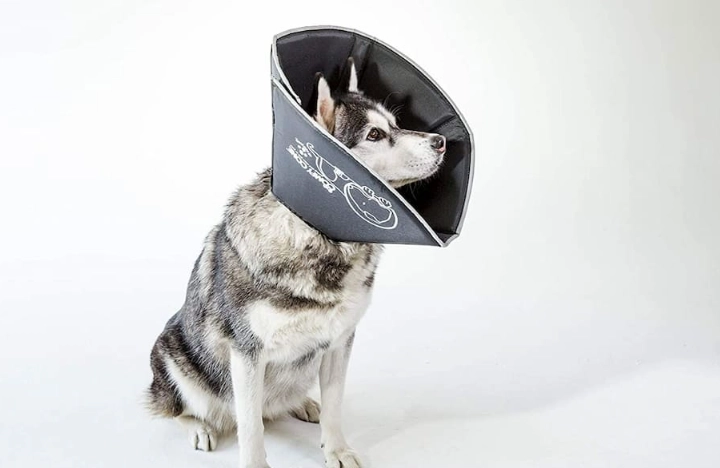
Think of this as the traditional cone's kinder, gentler cousin. It's made from flexible, padded fabric (often nylon or polyester) and sometimes has a flexible plastic insert to hold its shape.
How it works: Same principle as the plastic cone – a 360-degree barrier – but it's lightweight, flexible, and often more comfortable to sleep in. It collapses when bumped, reducing the *clunk* factor dramatically.
The good: More comfortable for sleeping. Quieter. Less scary for the dog. Comes in fun prints. Provides better protection than an inflatable collar for determined pets, as it's a full barrier.
The not-so-good: It can still obstruct peripheral vision. Determined chewers might eventually gnaw through the fabric. It can get dirty and soggy if your dog is a messy drinker. In my experience, the very floppy ones can sometimes fold over and fail at their job.
The Recovery Suit (The Onesie)
This is a brilliant dog cone alternative for certain situations. It's essentially a full-body suit or surgical onesie that covers the torso, preventing access to the incision site.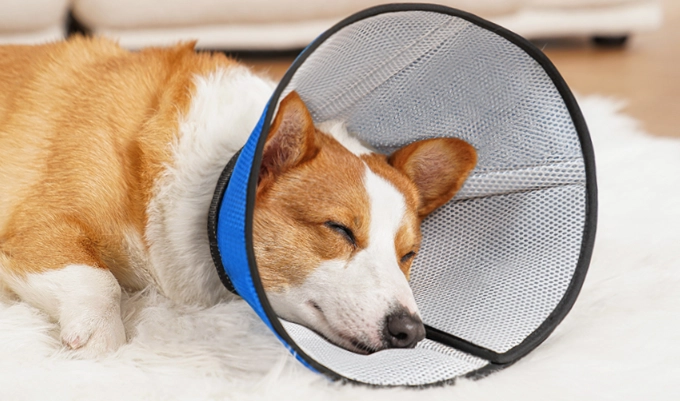
How it works: By covering the wound completely with a breathable fabric. It's ideal for abdominal surgeries (like spays), neuters, or skin conditions on the trunk. Brands like Suitical have popularized this option, which many vets now recommend.
The good: Zero restriction on movement, vision, or eating. Extremely comfortable. Provides light compression, which can be soothing. Great for preventing licking of stitches without any neckwear.
The not-so-good: Useless for leg, tail, or head wounds. You have to take the whole thing off for potty breaks (look for designs with strategic openings!). Some dogs overheat in them. You need the right size for it to be effective and comfortable.
The Neck Brace / Cervical Collar
Less common as a primary dog cone alternative, but worth mentioning. These are more rigid foam collars that limit up-and-down head movement rather than side-to-side.
How it works: It stops the dog from looking down and bending to reach its chest or paws. It's sometimes used for specific spinal or neck issues, but can be repurposed to prevent licking of front leg wounds.
The good: Allows normal side vision and drinking. Can be effective for front leg issues where an inflatable collar fails.
The not-so-good: Very restrictive in its own way. Dogs can't look down at their food bowl easily. Not a universal solution. Can be expensive.
Side-by-Side Comparison: Which Dog Cone Alternative is Right For You?
This table cuts through the noise. Use it as a starting point based on your dog's specific situation.
| Alternative Type | Best For Preventing Licking Of... | Key Advantages | Potential Drawbacks | Good For Dogs Who... |
|---|---|---|---|---|
| Inflatable Collar (Donut) | Chest, torso, front legs (above elbow), side wounds. | Maximum comfort & normal function. Great for eating/sleeping. | Poor for hind legs, tail, or feet. Agile dogs may circumvent. | Are anxious in cones, need to eat/drink easily, are lower activity. |
| Soft Fabric Cone | All areas (full 360° protection). | Softer, quieter, safer version of plastic cone. More comfortable. | Can still obstruct vision. May not stop persistent chewers. | Need full protection but can't tolerate plastic rigidity. |
| Recovery Suit (Onesie) | Abdominal, back, or flank wounds/spay incisions. | No neck restriction at all. Very comfortable and secure. | Useless for limbs/head. Potty breaks require removal. | Have torso wounds, hate anything on their neck. |
| Neck Brace | Front legs, chest (by limiting downward motion). | Allows side vision and drinking. | Restricts looking down. Not widely used for this purpose. | Have persistent front leg issues where other options fail. |
See the pattern? There's no single "best" dog cone alternative. It's a puzzle matching the wound location with your dog's personality and determination.
Beyond the Product: Tips for Success with Any Alternative
Getting the right product is half the battle. The other half is managing the recovery period. Here are some hard-won lessons.
Fitting is Everything. Too loose, and your dog will escape it. Too tight, and it's uncomfortable or restricts breathing. Follow the manufacturer's sizing guide meticulously, using a soft measuring tape. For collars, you should fit two fingers snugly between the collar and your dog's neck.
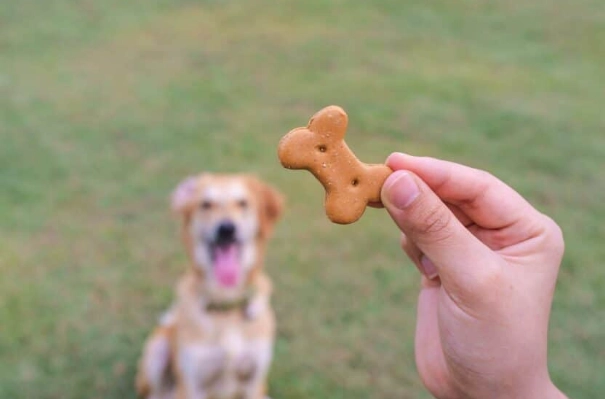
The Acclimation Period. Don't just strap it on and hope for the best. Introduce the new gear slowly. Let them sniff it. Give treats near it. Put it on loosely for a few minutes at a time while distracting them with play or food. This positive association is crucial, especially for anxious dogs.
Supervision is Non-Negotiable. No dog cone alternative is 100% foolproof, especially in the beginning. Never leave your dog unattended with a new alternative until you are absolutely confident they can't defeat it and won't get hurt by it. The first few hours are critical for observation.
Combatting Boredom. A bored dog is a dog that focuses on its itch or wound. Mental stimulation is your best friend. Food puzzles, gentle training sessions (if vet-approved), short sniffari walks on leash, and calm chew toys can work wonders to distract them.
Your Questions, Answered (The Stuff You're Actually Searching For)
Let's tackle some specific, real-world questions that pop up when you're deep in the search results.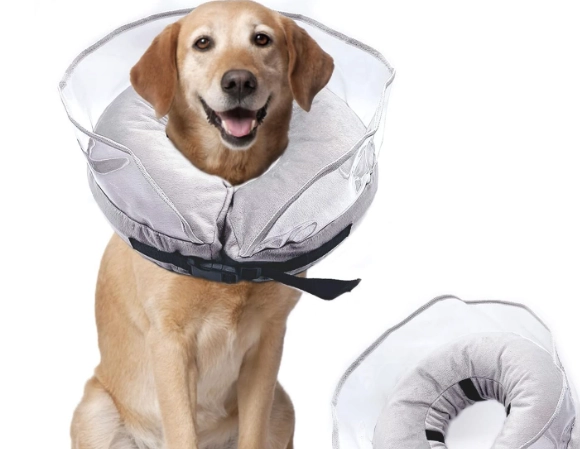
Wrapping Up: Your Action Plan
So, where does this leave you? Hopefully, more informed and less overwhelmed. The journey to find the right dog cone alternative isn't about finding a magic product. It's a process.
- Consult Your Vet: Show them pictures of the alternatives you're considering. Get their buy-in on safety for your dog's specific wound.
- Identify the Target: Is it a spay incision on the belly? A hot spot on the hip? A paw injury? Match the location to the alternative's strength.
- Know Your Dog: Are they a calm couch potato or an escape artist Houdini? Choose a product that matches their determination level.
- Buy from a Flexible Retailer: If possible, buy from a store with a good return policy. Sizing can be tricky, and what works in theory might fail in practice with your unique dog.
- Prepare for a Transition Period: Have patience. The first day might be awkward. Use treats, love, and supervision to help them adjust.
At the end of the day, the goal is a safe and speedy recovery with as little stress as possible. A well-chosen dog cone alternative can transform a traumatic post-op period into a manageable, even comfortable, time for your best friend. Buddy the Labrador is living proof. After ditching the plastic satellite dish for a simple inflatable donut, he healed just fine – and we all got to keep our sanity.
Good luck. Your dog is lucky to have you looking out for their comfort.





Leave a comment