Let's talk about something most dog owners whisper about but everyone eventually faces. It's not the most glamorous part of pet parenting, but understanding your dog's anal glands is crucial. If you've ever caught your dog dragging their rear across your brand-new carpet or noticed a smell that could stop a clock, you've had a front-row seat to this issue. The core question every owner stumbles upon is: how do you know if your dog needs glands expressed? It's not always obvious, and confusing the signs can lead to discomfort for your pup and a messy situation for you.
I remember the first time my own dog, a cheerful Beagle mix, started the infamous "scoot." I thought it was worms. The vet visit was... enlightening. Since then, I've learned that this is a super common issue, shrouded in a bit of mystery and a lot of discomfort. This guide is the one I wish I'd had. We'll cut through the confusion and get straight to the point: recognizing the signs, knowing what to do, and figuring out how to prevent it from becoming a recurring nightmare.
What Are Anal Glands Anyway? Before we dive into the signs, a quick biology lesson. Dogs have two small, sac-like glands located on either side of their anus, at about the 4 and 8 o'clock positions. They produce a foul-smelling, oily secretion that acts as a scent marker—a canine calling card. Normally, this fluid is expelled in small amounts during bowel movements, which is why dogs sniff each other's behinds. The problem starts when this natural expression doesn't happen.
The Telltale Signs: How Do You Know If Your Dog Needs Glands Expressed?
Quick Navigation
- The Telltale Signs: How Do You Know If Your Dog Needs Glands Expressed?
- Why Does This Happen? The Root Causes
- What To Do: From Checkups to Expressions
- Prevention: How to Stop the Cycle for Good
- Common Questions Dog Owners Ask (But Are Afraid to Google)
- When It's More Than Just a Nuisance: Recognizing Emergencies
Dogs aren't great at saying, "Hey, my butt hurts." They show us. The signs range from subtle hints to blatant, can't-miss-it behaviors. If you notice any of the following, it's a strong indicator that those glands are full, impacted, or even infected.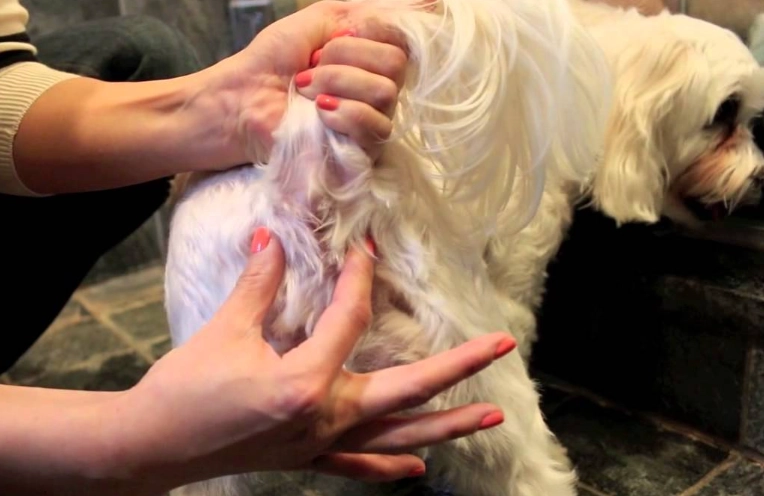
The Top 3 Red Flags You Can't Ignore
These are the big ones. If you see these, it's time to pay close attention.
Scooting or Dragging Their Rear: This is the classic sign. Your dog will sit down and drag their hindquarters along the ground, carpet, or grass. It's not a cute dance move; it's an attempt to relieve pressure and discomfort. While scooting can be caused by other things like worms or skin irritation, anal gland issues are the prime suspect.
It looks funny until you realize they're in distress.
Excessive Licking or Biting at the Rear: If your dog is constantly turning around to lick or bite at the base of their tail or their anus, take note. This is often a response to itching, pain, or a general feeling of something being "off" back there. You might see them do this more after they get up from lying down.
A Persistent, Fishy, or Metallic Odor: This is the sneaky one. Sometimes, the glands can leak or express a small amount spontaneously. The smell is uniquely foul—often described as rancid fish, burnt rubber, or metallic. If you suddenly get a whiff of this in your home or on your dog's bedding, and it's not coming from their mouth, think anal glands.
Other Supporting Signs (When Things Might Be Getting Worse)
If the issue progresses beyond simple fullness, the symptoms can become more pronounced and serious.
- Difficulty Defecating or Straining: Swollen glands can make it painful to pass stool. Your dog might posture to go but produce little, or seem to be in pain while trying.
- Visible Swelling or Redness: In severe cases, you might actually see a swollen, red area on one or both sides of the anus. This is a sign of impaction or the early stages of an abscess. Don't touch it if it looks angry—go straight to the vet.
- Blood or Pus on the Floor or Their Bedding: This is an emergency sign. A ruptured anal gland abscess will release blood and pus, which has an absolutely horrific smell. The area may have a visible opening (a fistula). Your dog needs veterinary care immediately.
- General Signs of Pain: Whining, reluctance to sit down, aggression when the hindquarters are touched, or general lethargy can all point to significant discomfort from an anal gland problem.
My vet once told me that by the time a dog is scooting, the glands are usually quite uncomfortable. The licking and biting start earlier. If you can catch it at the licking stage, you might save everyone a lot of trouble.
Why Does This Happen? The Root Causes
Knowing the "why" helps with the "how to prevent it." Anal glands don't just randomly decide to fail. Several factors can contribute to them not emptying properly.
| Cause Category | Specific Examples | Why It's a Problem |
|---|---|---|
| Anatomy & Breed | Small breeds (Toy Poodles, Chihuahuas, Dachshunds), Obese dogs, Dogs with chronically soft stools | Small dogs have smaller ducts that clog easier. Obesity reduces muscle tone. Soft stools don't provide enough pressure during bowel movements to naturally express the glands. |
| Diet & Digestion | Low-fiber diets, Food allergies, Poor-quality food leading to soft stools | Fiber adds bulk to stool, creating firmer feces that press on the glands during defecation. Allergies can cause inflammation that narrows the gland ducts. |
| Health Conditions | Skin allergies (atopy), Chronic diarrhea, Hypothyroidism, Previous gland infections | Systemic inflammation or hormonal issues can affect gland function and skin health around the anus. Past infections can cause scar tissue, blocking ducts. |
| Lifestyle | Lack of exercise, Sedentary lifestyle | Exercise promotes good digestive motility and overall muscle tone, including in the anal region. |
See a pattern? It often comes back to stool consistency and inflammation. The American Veterinary Medical Association (AVMA) notes that digestive health is intrinsically linked to many secondary issues in pets, including perianal discomfort. You can read more about general pet wellness on their pet care resources page.
What To Do: From Checkups to Expressions
Okay, you've spotted the signs. Now what? Your course of action depends on the severity.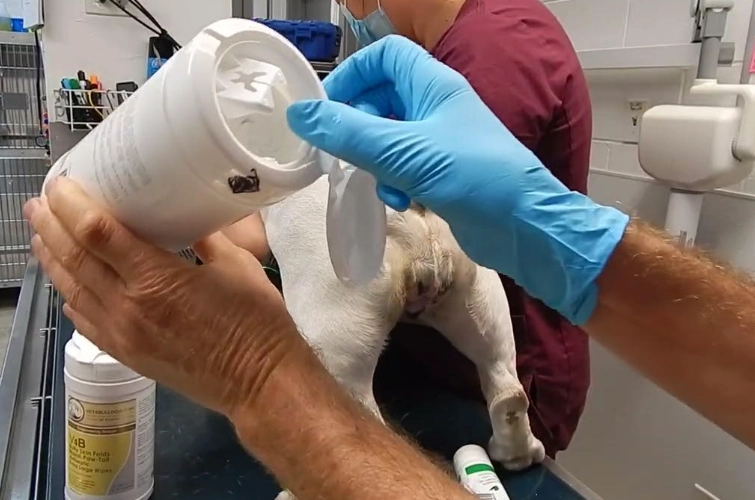
Step 1: The At-Home Check (For the Brave)
If your dog is just licking a bit and seems otherwise fine, you can try a gentle external check. Only do this if your dog is calm and you are confident. Wear gloves. Lift the tail gently. Look at the anus. If you see symmetrical, non-swollen areas, you're probably okay for now. If you see one side looking puffy or red, stop. Do not attempt to squeeze if you see swelling or redness—this could rupture an abscess.
Honestly, most people should skip straight to the vet or groomer for the first few times.
Step 2: Professional Help – Groomer vs. Veterinarian
This is a key decision point.
Go to a Groomer IF: Your dog has a history of simple, non-infected gland impactions. The signs are mild (occasional scoot, minor licking), and there is NO swelling, redness, or blood. Groomers are experienced in routine expression for maintenance.
Go to a Veterinarian IF: This is the first time you're seeing signs. There is any swelling, redness, or signs of pain. You see blood or pus. Your dog has a history of gland infections or abscesses. The groomer tried and couldn't express them (indicating impaction). The veterinarian can do a full internal expression, check for infection, prescribe antibiotics or anti-inflammatories, and even flush the glands if needed. For complex cases, they might discuss options like gland removal (sacculectomy), a procedure you can learn more about from resources like the Veterinary Partner article on anal sac disease.
Step 3: Can You Do It Yourself?
Many owners learn to do this at home for dogs with chronic issues. It's messy and smelly, but it can save money and vet trips. I do not recommend learning from a text description alone. Ask your vet or a very experienced groomer to show you in person. The general method involves:
- Gloves, paper towels, and a lubricant (like K-Y Jelly).
- Lifting the tail and locating the glands externally.
- Applying gentle, inward-and-upward pressure with your thumb and forefinger to "milk" the fluid out.
If you feel a hard lump that won't express, or your dog yelps, stop. You're dealing with an impaction that needs professional care.
Prevention: How to Stop the Cycle for Good
Frequent expression is a treatment, not a cure. The goal is to get your dog's body to do the job on its own again. This is where you can make a huge difference.
- Pumpkin puree (plain, not pie filling): A tablespoon per meal for medium dogs.
- Psyllium husk powder (like Metamucil, sugar-free): A tiny amount mixed with wet food.
- High-fiber commercial dog foods: Look for formulas with added fiber or designed for "weight management" or "sensitive systems."
- Green beans or sweet potato: As healthy, fibrous treats.
Research from institutions like the Cornell University College of Veterinary Medicine supports the role of diet in managing gastrointestinal and related issues in pets. Always transition diets slowly over 7-10 days.
Weight Management: If your dog is overweight, losing those extra pounds reduces pressure on the entire pelvic area and improves muscle tone. Talk to your vet about a safe weight loss plan.
Regular Exercise: Keeps the digestive system moving and promotes overall health.
Probiotics: Some evidence suggests that a healthy gut microbiome can improve stool quality and reduce inflammation. It's worth discussing with your vet.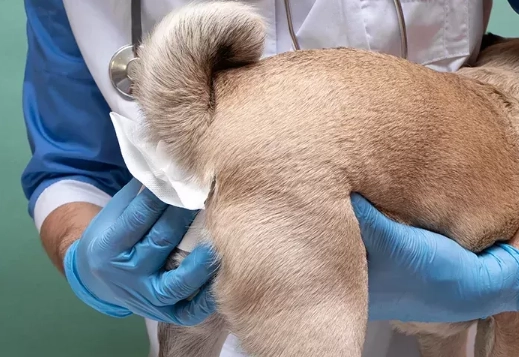
Omega-3 Fatty Acids: Supplements like fish oil have anti-inflammatory properties that might help if skin allergies are a contributing factor.
Common Questions Dog Owners Ask (But Are Afraid to Google)
When It's More Than Just a Nuisance: Recognizing Emergencies
Don't mess around with these signs. They mean a trip to the vet, possibly the emergency vet, is needed immediately.
- A Sudden, Painful, Hot Swelling: This is likely an abscess forming. It can rupture, which is painful and creates a big mess.
- Open Wound or Draining Pus/Blood: The abscess has ruptured. It needs veterinary cleaning, antibiotics, and possibly a drain.
- Lethargy, Loss of Appetite, or Fever: These systemic signs indicate the infection is spreading beyond the glands.
- Constant Straining with No Result: This could indicate a severe impaction or even an unrelated but serious issue like a rectal prolapse.
So, circling back to the big question: how do you know if your dog needs glands expressed? You watch for the scoot, the obsessive licking, and that unmistakable odor. You feel for swelling during a gentle check. You notice changes in their bathroom habits. It's about connecting those dots.
The goal isn't to become an expert in expression (though you might). The goal is to understand your dog's body well enough to support it. Start with fiber, manage their weight, and get professional help when the signs first appear. It turns a gross, stressful problem into a manageable part of your dog's healthcare routine. And trust me, your dog—and your nose—will thank you for it.
After getting my dog's diet dialed in with more fiber, we went from monthly grooms for expression to maybe once or twice a year when she's had a bout of soft stool. It was a game-changer. It's not a perfect science, but paying attention makes all the difference.


Leave a comment