My friend's dog, Charlie, a 14-year-old Labrador, started doing something that broke her heart. He'd stand in the corner of the living room, staring at the wall, seemingly stuck. He'd whine at 3 AM for no clear reason. The dog who once demolished a couch cushion now seemed confused by his food bowl. This wasn't just "getting old." This was Canine Cognitive Dysfunction (CCD), or what most of us call doggie dementia. If you're here, you're probably seeing similar, unsettling changes. Let's cut through the noise and talk about what's really happening in your dog's brain, and more importantly, what you can actually do about it.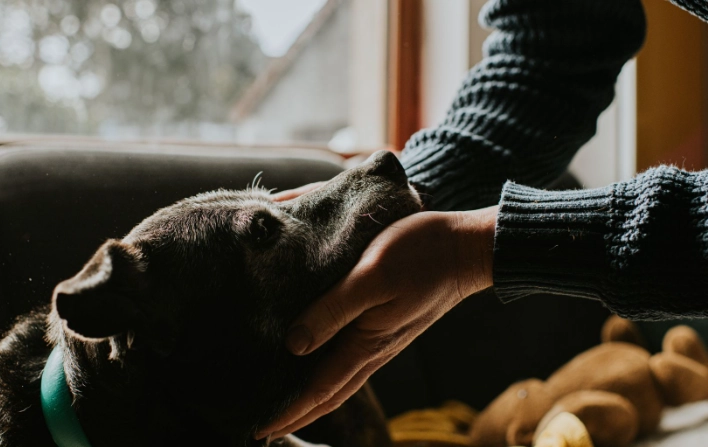
What's Inside This Guide
What Exactly Is Doggie Dementia (CCD)?
Think of it like Alzheimer's for dogs. It's a progressive brain disease caused by physical changes in the aging brain—amyloid plaques build up, brain tissue shrinks, and neurotransmitters get out of whack. The American Kennel Club (AKC) notes it's surprisingly common, affecting over 60% of dogs by age 15. It's not your fault, and it's not just "slowing down." It's a medical condition that changes how your dog perceives the world, remembers things, and learns.
Key Takeaway: CCD is a neurodegenerative disease, not a normal part of aging. While all old dogs slow down, dementia involves specific, measurable declines in mental function.
Spotting the Signs: Is It Old Age or Dementia?
This is where most owners get stuck. We blame arthritis for the pacing, or deafness for the lack of response. A huge mistake I see is dismissing every change as "just old age." That delay can mean missing months where intervention could have helped. Vets often use the acronym DISHA to categorize the signs:
- Disorientation: Getting lost in familiar places (like the wrong side of a door), staring into space or at walls.
- Interactions Changed: Withdrawing from family, less interest in greeting, or conversely, becoming clingy and anxious.
- Sleep-Wake Cycle Disruption: Restless pacing, whining, or barking at night ("sundowning"), sleeping more during the day.
- House Soiling: Forgetting house-training, going indoors without signaling, seeming confused about where to go.
- Activity Level Altered: Aimless pacing or wandering, decreased exploration, or repetitive motions like licking.
Here’s a quick table to help you differentiate. It’s not always black and white, but it’s a start.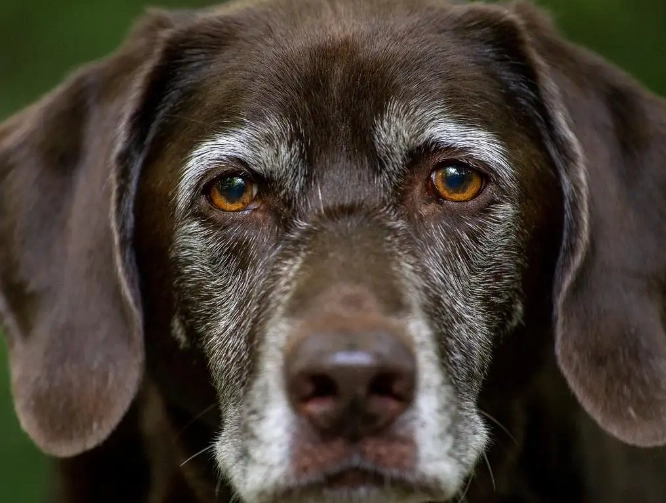
| Potential Normal Aging | Possible Dementia Sign |
|---|---|
| Sleeping more soundly. | Reversed sleep cycle: awake and distressed all night. |
| Slower to get up due to stiffness. | Stands in a corner, seems "stuck," can't figure out how to get around furniture. |
| Occasional accident if left too long. | Goes indoors right in front of you, seems unaware it's happening. |
| Less interested in long walks. | Aimless, repetitive pacing in a specific pattern for no reason. |
| Hearing loss causing slower response. | Doesn't recognize familiar people or pets, appears startled by your approach. |
Getting a Diagnosis: The Vet Visit You Need
You can't diagnose this at home. The first and most critical step is a full veterinary workup. Why? Because many symptoms of dementia overlap with other serious conditions. That nighttime restlessness could be pain from arthritis. The confusion could be due to a urinary tract infection or unmanaged diabetes. The American Veterinary Medical Association (AVMA) stresses the importance of ruling out other diseases first.
Your vet will likely do a physical exam, bloodwork, and urinalysis. They might ask you detailed questions about your dog's behavior, possibly using a questionnaire. There's no single scan for CCD, so diagnosis is often based on excluding other issues and observing the behavioral signs. Don't be afraid to take notes or even short videos of the concerning behaviors to show your vet.
What to Ask Your Vet
Go in prepared. Ask: "Could these symptoms be caused by anything else like pain, infection, or vision loss?" and "Based on what we're seeing, where do you think my dog is on the spectrum of cognitive decline?" This frames the conversation around actionable next steps.
Your Practical Home Management Plan
Management is everything. You can't cure dementia, but you can dramatically improve your dog's quality of life and slow the progression. Think of it as creating a brain-friendly, low-stress environment. This is where I see the biggest gap between advice and action. People focus on pills and forget the environment.
1. Environmental Adjustments (The Most Overlooked Tool)
Simplify their world. Use non-slip rugs on hardwood floors—disorientation is worse when they're sliding. Keep furniture in the same place. Block access to stairs or pools they might stumble into. Create a consistent, quiet "safe zone" (like a comfy bed in a corner) where they can retreat. For nighttime anxiety, a small nightlight can work wonders for a dog who can't see well in the dark.
2. Routine, Routine, Routine
Predictability reduces anxiety. Feed, walk, and offer bathroom breaks at the same times every day. Use the same door for potty breaks. This creates a map in their fading memory.
3. Mental Stimulation & Interaction
Keep it simple and positive. Short, gentle training sessions (reviewing "sit" for a treat) can help maintain neural pathways. Sniffing is fantastic brain work—scatter food in the grass or use a simple snuffle mat. Avoid frustrating puzzles that are now too complex. The goal is engagement, not challenge.
Physical exercise should be gentle and supervised. A short, slow walk on familiar routes is better than a new, confusing trail.
Nutrition and Supplements: Brain Food Basics
Diet plays a supporting role. Some therapeutic diets are specifically formulated for brain aging, containing things like medium-chain triglycerides (MCTs) for an alternative brain energy source. Talk to your vet about these options.
Supplements are a big topic. The evidence is strongest for a few key ingredients:
- Omega-3 Fatty Acids (DHA/EPA): Found in fish oil. They're anti-inflammatory and are building blocks for brain cells.
- Antioxidants (Vitamins E & C, Selenium, Beta-carotene): Combat oxidative stress that damages aging brain cells.
- Medium-Chain Triglycerides (MCTs): Often from coconut oil, they may provide ketones as an alternative brain fuel.
- Phosphatidylserine & SAMe: Compounds involved in cell membrane health and neurotransmitter function.
Many commercial "brain health" supplements combine these. Brands like Senilife or Aktivait are commonly recommended. The crucial point: start one thing at a time. If you change food, add a supplement, and start a new medication all in one week, you'll have no idea what's working or causing an upset stomach. Give any new regimen at least 6-8 weeks to see subtle effects.
Prescription Medications
There's one FDA-approved drug for CCD in the US: selegiline hydrochloride (Anipryl). It works by increasing dopamine levels in the brain. It doesn't work for every dog, but for some, it can make a noticeable difference in alertness and activity. Another drug, propentofylline (Vivitonin), is used in some countries to improve blood flow to the brain. These are serious medications that require veterinary prescription and monitoring.
Tough Questions Answered
My dog with dementia barks all night. What can I actually do besides losing sleep?
First, rule out pain or a full bladder with your vet. If it's sundowning anxiety, increase daytime activity (gentle walks, sniffing games) to promote night-time sleepiness. Create a dark, cozy sleeping area away from household noise. A Adaptil pheromone diffuser or a calming supplement with L-theanine or melatonin (ask your vet for dose) about an hour before bedtime can help. In some cases, a low dose of trazodone from your vet for nighttime may be necessary for everyone's wellbeing.
How do I handle house soiling when my dog seems unaware it's happening?
Punishment is not only cruel but completely ineffective—they cannot connect the action to a consequence. Go back to puppy basics. Take them out on a strict schedule (first thing in morning, after meals, before bed). Use belly bands or dog diapers indoors for management. Make the outdoor path extremely easy and well-lit. Clean accidents with an enzymatic cleaner to remove the scent. This is about management, not retraining.
Is there a point where euthanasia is the kinder option for a dog with advanced dementia?
This is the hardest question. The answer isn't about the diagnosis itself, but about quality of life. When the bad days consistently outnumber the good days, it's time to think about it. Ask yourself: Does she still experience moments of joy (eating, a gentle pet)? Is she in constant anxiety or confusion? Is she able to interact with her environment without fear? Can her basic needs (eating, drinking, eliminating) be met without significant distress? A good quality of life scale, like the HHHHHMM scale (Hurt, Hunger, Hydration, Hygiene, Happiness, Mobility, More good days than bad), can provide a more objective framework. This decision is made with love, to prevent suffering. Your vet can help you assess this without judgment.




Leave a comment