You're settled on the couch, and your cat hops up, circles a few times, and then starts that rhythmic push-pull motion with her front paws. Purring like a tiny motorboat, she seems utterly content. Cat kneading, often called "making biscuits" for its resemblance to a baker working dough, is one of those quintessential feline behaviors. It's charming, sometimes a bit painful when claws are involved, and shrouded in a bit of mystery. Most articles will tell you it's a leftover habit from kittenhood, and that's true, but it's only part of the story. After years of living with cats and observing this behavior in various contexts, I've realized we often miss the subtle nuances that tell us if our cat is blissful, anxious, or even in discomfort.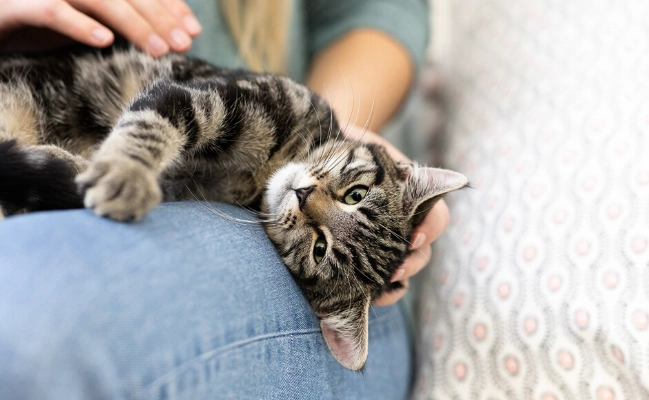
In This Guide
Why Do Cats Knead? The Top Theories
Let's break down the main reasons behind this behavior. It's rarely just one thing; it's usually a cocktail of instinct, emotion, and communication.
The Kitten Connection: It Starts with Milk
This is the most widely accepted explanation. Newborn kittens knead their mother's belly to stimulate milk flow while nursing. The action is comforting and associated with the ultimate feelings of safety, warmth, and nourishment. According to resources like the International Cat Care, this neonatal behavior often carries into adulthood as a self-soothing mechanism. When your adult cat kneads on a soft blanket or your lap, she's likely tapping into that deep-seated sense of comfort and security. The purring that usually accompanies it reinforces this idea—it's a contentment feedback loop.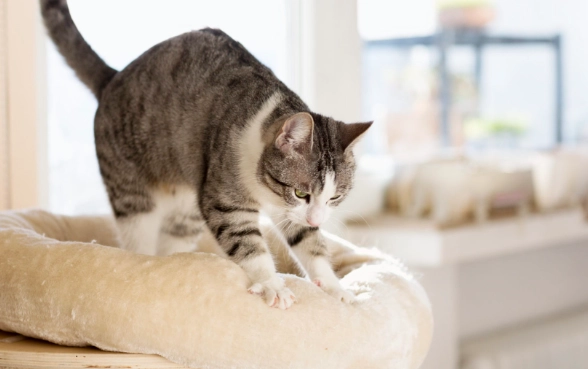
Marking Territory: The Scent Signature
Here's a detail many cat owners overlook. Cats have scent glands in the soft pads of their paws. When they knead, they're not just pushing; they're depositing their personal scent. This is a way of marking their territory and claiming you or that favorite spot as "theirs." It's a sign of affection, but also a statement. Think of it as your cat signing her name on you with an invisible, pheromone-based ink. It's why they often knead before settling down to sleep—they're creating a familiar, safe-smelling nest.
Nesting and Comfort Preparation
This ties back to wild instincts. In the wild, a cat's ancestors would knead tall grass or foliage to create a soft, flattened, and safe spot to rest or give birth. Your modern housecat is performing the same ritual on your down comforter or the plush armchair. They're molding their environment to their liking, making it just right for a long nap. It's a practical behavior dressed up in domesticity.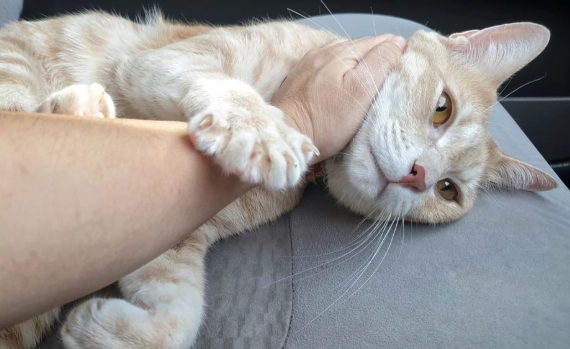
Quick Comparison: Not all kneading is equal. A slow, sleepy knead with retracted claws on a soft surface usually means pure bliss. A fast, intense knead with claws out on your leg might be overstimulation or a stronger demand for attention. Context is everything.
| Primary Reason | Typical Context | What Your Cat Might Be Communicating |
|---|---|---|
| Comfort/Security | On your lap before a nap, on a soft blanket, purring loudly. | "I feel safe and happy here. This reminds me of being a cared-for kitten." |
| Scent Marking | On you, on new furniture, on other pets in the household. | "You/this is mine. It smells like me now, and that's good." |
| Nesting | Circling and kneading a bed or specific sleeping spot repeatedly. | "I'm making this spot perfect and safe for sleeping." |
| Seeking Attention | Kneading on you while you're working, possibly with vocalizations. | "Hello! Pay attention to me. Pet me or play with me." |
Is Your Cat's Kneading a Sign of Anxiety?
This is the part most guides don't talk about enough. We assume kneading is always positive. Usually, it is. But sometimes, it can be a coping mechanism for stress or anxiety. The key is to look at the how and the when.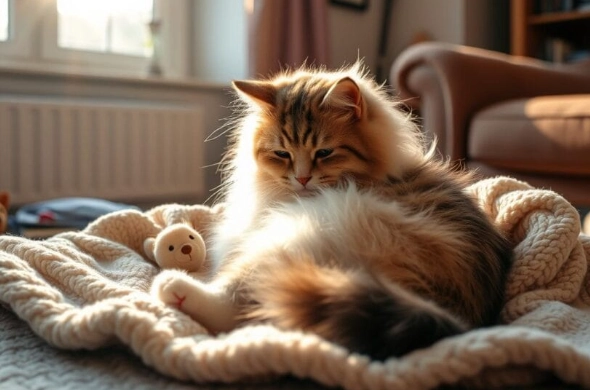
I had a cat, Jasper, who would engage in what I called "frantic kneading." When strangers came over, he wouldn't hide. Instead, he'd jump on the couch next to me and knead the cushion intensely, almost desperately, with wide pupils. He wasn't relaxed; he was self-medicating. The rhythmic motion and the release of comforting pheromones from his paws were calming his nerves.
Signs kneading might be anxiety-related:
- Excessive drooling while kneading (beyond a little happy drool).
- Dilated pupils and a somewhat tense body posture.
- Kneading on inhospitable surfaces like a hard floor or wall.
- Doing it during obvious stress triggers (loud noises, vet visits, new people).
- It's a new behavior or happens with much greater frequency than before.
If you see this pattern, don't scold the kneading. Address the source of the anxiety. Provide safe hiding spots, use pheromone diffusers (like Feliway), and consult your vet if the anxiety seems severe. The kneading itself is your cat's attempt to feel better.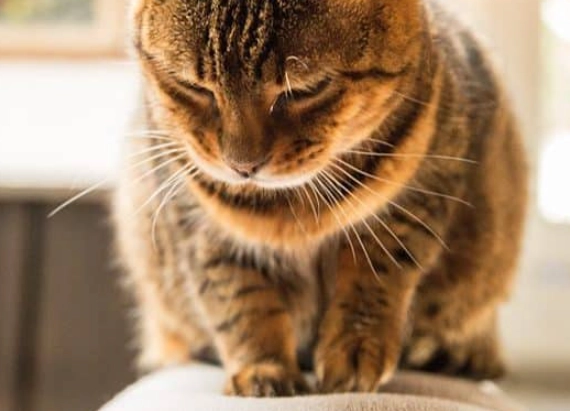
How to Manage Kneading (Without Losing Your Sweaters)
Let's be real. The love hurts when those needle-sharp claws dig into your thigh through thin pajamas. I've lost count of the sweaters with tiny claw pulls. Declawing is never an option—it's an inhumane amputation. Instead, work with the behavior.
1. The Decoy Blanket Strategy
This is your first line of defense. Keep a small, thick, soft blanket or towel next to you on the couch. When your cat comes up to knead, gently slide the blanket between her paws and your legs. Most cats will happily accept the substitute, as it's often even softer and more satisfying to sink their claws into. Make it a dedicated "kneading blanket" that carries their scent.
2. Claw Maintenance is Non-Negotiable
Regular nail trims blunt the tips dramatically. Get your cat accustomed to having her paws handled. Trim just the sharp tip every 2-3 weeks. If you're nervous, ask your vet or groomer to show you. Dull claws do far less damage, even if the kneading motion continues with full enthusiasm.
3. Redirect, Don't Punish
If the kneading is becoming too intense or painful, gently interrupt the behavior by standing up (which removes the cozy lap) or offering a toy to redirect the energy. Never yell or push your cat away. You'll only create confusion and distrust. The goal is to teach an alternative, not to punish a natural, affectionate act.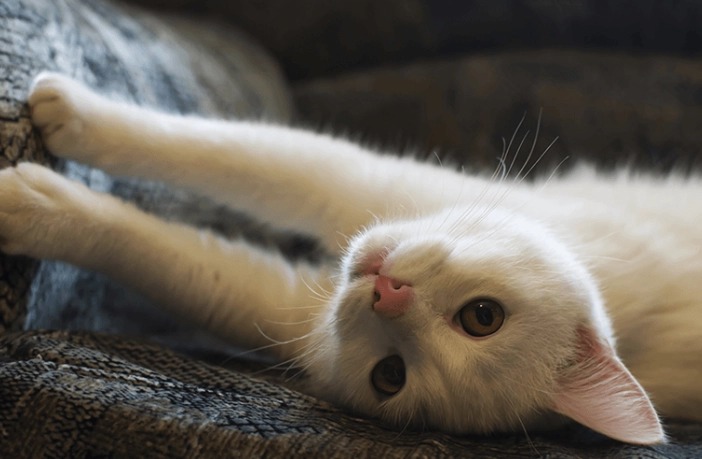
4. Provide Approved Kneading Surfaces
Give your cat better options! A premium scratching post covered in sisal rope or corrugated cardboard is great for vertical kneading and stretching. A soft, plush cat bed can become their designated kneading zone. Sprinkle some catnip on it to make it extra appealing.
What about nail caps? They're vinyl caps glued over the claw. They can be a good temporary solution for protecting furniture or skin, but they require maintenance (reapplying as the nail grows) and not all cats tolerate them. It's a personal choice after consulting your vet.
Your Cat Kneading Questions, Answered
At its heart, cat kneading is a window into your cat's emotional world. It's a complex behavior woven from instinct, memory, and communication. When you feel those little paws pressing into you, remember: it's a sign of deep trust. Your cat feels safe enough to revert to a vulnerable, kitten-like state around you. By understanding the why and learning to manage the how (those claws!), you can fully appreciate this quirky, endearing, and profoundly affectionate feline ritual. Keep the decoy blankets handy, the clippers ready, and enjoy the biscuits.


Leave a comment