You're not alone. That puddle of drool, the frantic panting, the eventual... well, you know. Dog car sickness turns a simple vet visit or a weekend adventure into a stressful ordeal for everyone. I've seen it countless times working with rescue dogs. One of my fosters, Charlie, a sweet Labrador mix, would start shaking the moment he saw the car keys. It wasn't just an inconvenience; it was a barrier to his new life.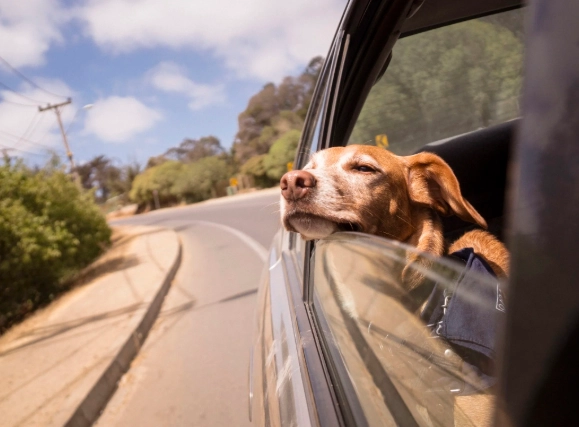
Here's the thing most owners miss: what we call "car sickness" is rarely just one thing. It's often a messy cocktail of a sensitive vestibular system (the inner ear balance center), visual confusion, and plain old anxiety. Treating just the nausea is like mopping the floor while the tap's still running.
What's Inside This Guide?
How to Tell If It's Motion Sickness or Anxiety (Or Both)
Knowing the root cause changes your strategy. The symptoms overlap, but the triggers are different.
Classic Motion Sickness Signs: These usually start after the car is in motion. You'll see excessive drooling, lip-licking, swallowing a lot, and then vomiting. The dog often looks miserable and lethargic. This is primarily a physical, vestibular issue. According to the American Veterinary Medical Association, motion sickness is common in young dogs as their inner ear structures are still developing.
Anxiety-Driven Signs: These can start before you even move. Panting, whining, trembling, pacing, hiding, or refusing to get in the car. The vomiting here is a byproduct of extreme stress. The dog associates the car with panic.
Most dogs, like Charlie, have a mix. The first few bad experiences (true motion sickness) create anxiety about future trips, which then makes the physical symptoms worse. It's a vicious cycle you need to break from both ends.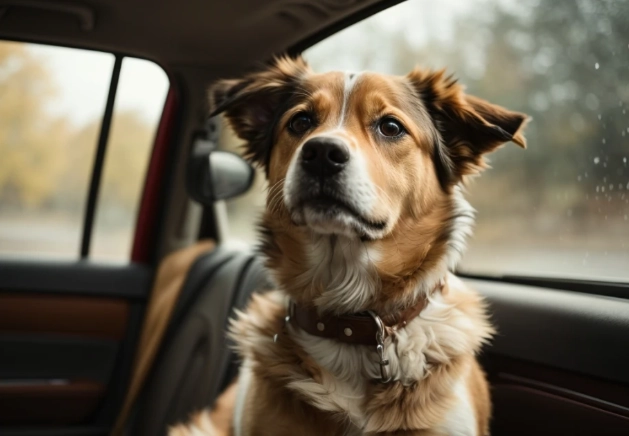
Pro Tip: Watch the timing. If the drooling starts when you jingle the keys, anxiety is a major player. If it begins 10 minutes into a winding road, it's more likely classic motion sickness.
What to Do When Your Dog Gets Sick Right Now
You have a trip scheduled tomorrow. You can't do a 6-week desensitization program. Here's your emergency protocol.
First, manage the environment. This is non-negotiable and free.
- Limit their view. Use a crate covered with a light blanket or a dog seatbelt with a harness that keeps them in a fixed position. Letting them stare out a side window at blurring scenery is a recipe for nausea. A study cited by the Cornell University College of Veterinary Medicine suggests restricting visual stimuli can significantly help.
- Cool air. Crank up the AC or crack a window. Fresh, cool air reduces nausea.
- Secure footing. A non-slip mat or their familiar bed prevents them from sliding and feeling unstable.
- Empty stomach, but not dehydrated. Withhold food for 4-6 hours before travel. Offer small amounts of water. A full stomach sloshing around is asking for trouble.
Now, consider a remedy. For a one-off trip, an over-the-counter option might suffice.
The Quick-Fix Toolkit
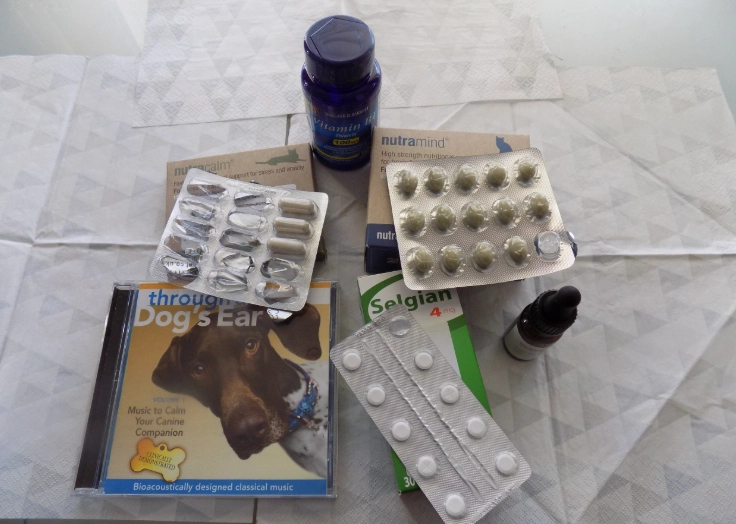
Ginger: A natural anti-emetic. A small ginger snap (check for xylitol!) or a pinch of powdered ginger in their food an hour before leaving can calm the stomach. It's mild and safe for most dogs.
Pressure Wraps: Like the Thundershirt or Anxiety Wrap. The gentle, constant pressure has a calming effect on the nervous system for some dogs. It won't hurt, and it might help, especially if anxiety is a factor.
Calming Supplements: Products containing L-Theanine, L-Tryptophan, or calming pheromones (Adaptil spray on a bandana). These need to be given in advance as per label instructions.
Critical: Never give human motion sickness medication without explicit direction from your veterinarian. Dosages are weight-specific and some ingredients are toxic to dogs.
The Long-Term Plan: Training and Desensitization
This is where you create permanent change. It requires patience, but it's the only way to truly solve the problem. You're rebuilding your dog's emotional response to the car.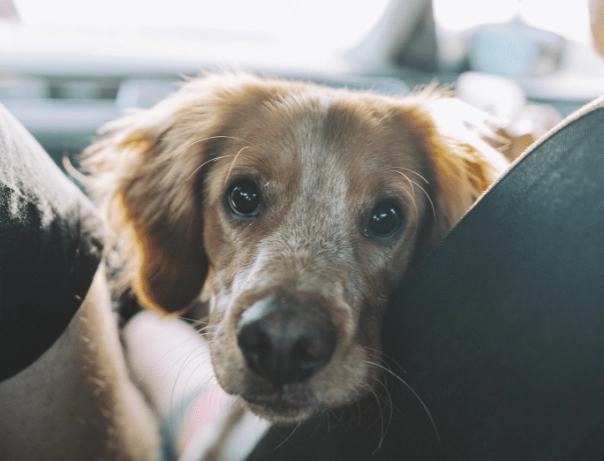
I worked on this with Charlie over a month. We started with the car off in the driveway.
- Positive Association. Walk up to the parked car. Toss high-value treats (boiled chicken, cheese) near it, then walk away. Do this several times a day. The goal is to make the car predict good things.
- Getting In. Once he was happy approaching, I'd open the door, toss treats inside, and let him jump in and out freely. No pressure to stay. I'd feed him a whole meal in the back seat with the doors open.
- Sitting in a Still Car. Next, I'd ask him to sit in the car, give treats, and close the door for 30 seconds, then open it. Gradually increased the time to 5 minutes.
- Introducing Sensations. Turn the engine on for 30 seconds. Treats. Turn it off. Then, a short drive down the driveway and back. Then around the block.
The key is to keep every session below their anxiety threshold. If they show stress, you've gone too far. Go back a step. This process can take weeks, but it rewires the brain. Charlie now hops in eagerly for short trips.
Remedies Breakdown: From Ginger to Prescription Meds
When training needs a boost, or for unavoidable long trips, here’s a detailed look at your options. Think of this as a ladder, starting with the least invasive.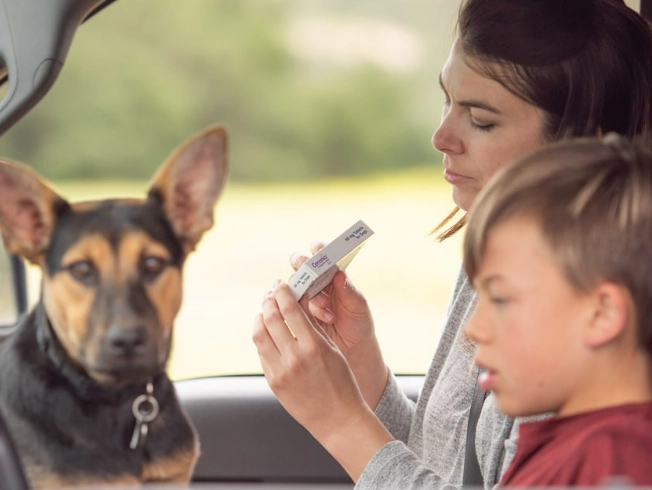
| Option | How It Works | Best For | Key Consideration |
|---|---|---|---|
| Natural (Ginger, Peppermint) | Soothes stomach, mild anti-nausea. | Mild cases, puppies, as a first try. | Effectiveness varies widely by dog. It's subtle. |
| OTC Antihistamines (Diphenhydramine/Benadryl) | Can cause drowsiness and mild anti-nausea effects. | Mild-to-moderate cases, often more for sedation. | Dose is critical. Must consult vet. Can cause dry mouth or paradoxical hyperactivity. |
| Vet-Prescribed: Cerenia (Maropitant) | Blocks a key nausea/vomiting signal in the brain. | Moderate to severe true motion sickness. | Highly effective. Given 2 hours before travel. Requires veterinary prescription. |
| Vet-Prescribed: Anti-Anxiety (Trazodone, Sileo) | Reduces anxiety and panic, which indirectly prevents sickness. | Dogs where anxiety is the primary driver. | Targets the root cause for some dogs. Requires vet diagnosis and prescription. |
My personal stance? I see too many people jump straight to Benadryl because they read about it online. It often disappoints because it doesn't truly target the vestibular cause. For a dog with genuine motion sickness, asking your vet about Cerenia can be a game-changer. It's more expensive, but it's designed for the job.
For Charlie, we used a combination of desensitization for short trips and a quarter tablet of Cerenia for his unavoidable longer vet visits. It gave him the confidence to have successful, non-sick experiences, which in turn reduced his overall anxiety.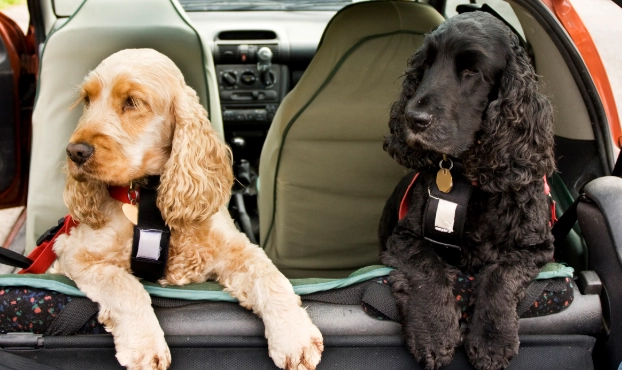
Your Top Questions, Answered
The goal isn't just a clean car. It's a happy, confident traveling companion. It takes some detective work to figure out your dog's specific blend of triggers, and then a tailored plan to address them. Start small, be patient, and don't hesitate to partner with your veterinarian. The freedom to take your dog along for the ride is worth the effort.




Leave a comment